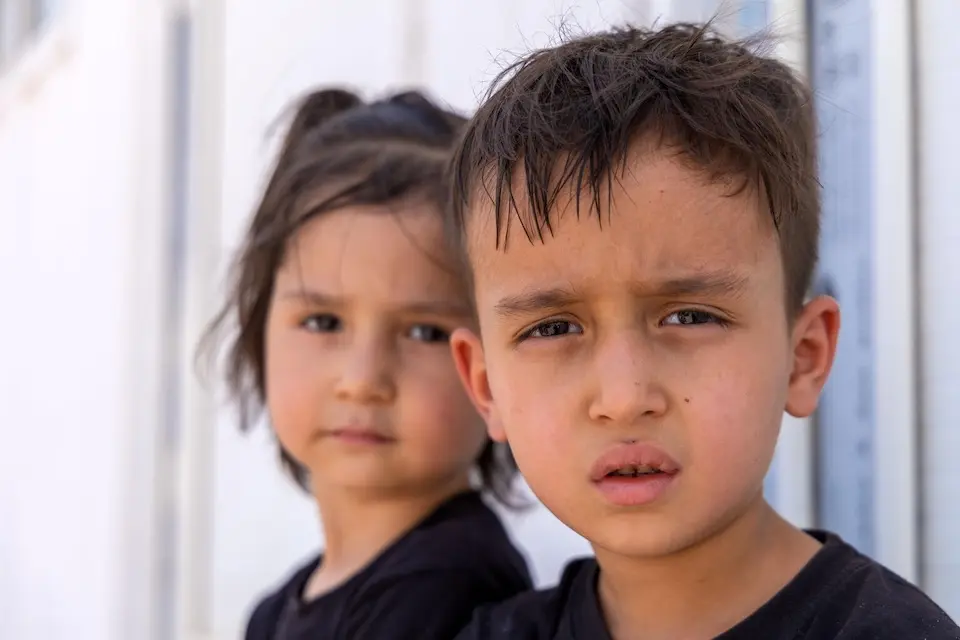
Afghan Children Returning From Iran Need Urgent Assistance
The impact of the escalating conflict in the Middle East is creating immediate risks for children across the region. Afghan families living in Iran are crossing back into Afghanistan, in need of basic services and uncertain what the future holds. UNICEF is providing emergency support — more help is needed.
Afghan children returning from Iran face rising humanitarian needs
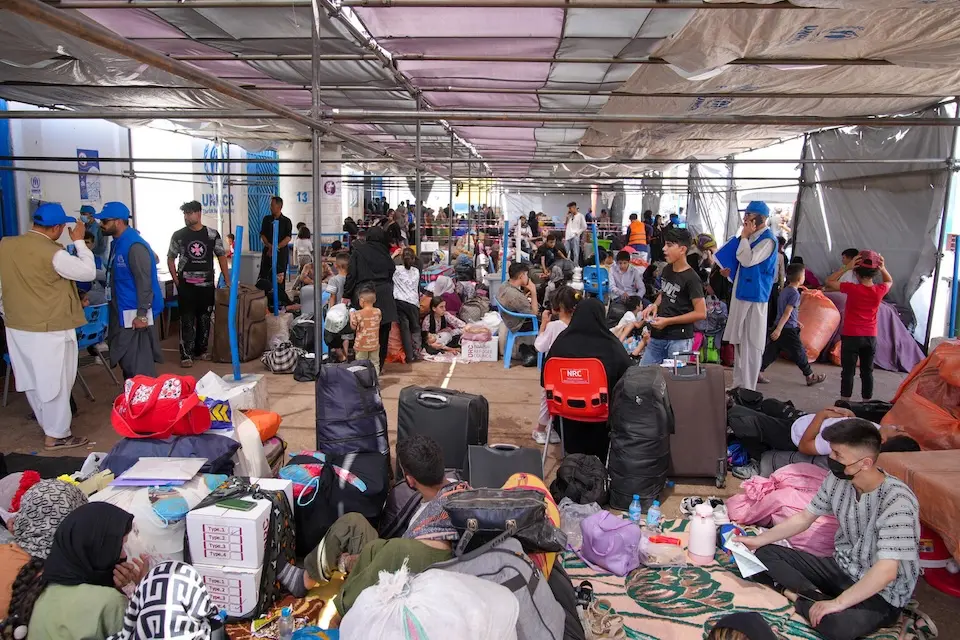
As the conflict in the Middle East continues, Afghan families who have been living in Iran are arriving at the Islam Qala and other border crossings with only what they can carry, many distressed after an unexpected journey and unsure about what lies ahead.
“We are already seeing too many mothers arriving at reception centers with their children, looking exhausted, overwhelmed and in need of immediate support," Dr. Tajudeen Oyewale, UNICEF Representative in Afghanistan, said during a March 10 press briefing in Geneva. "If arrivals increase as expected, the risks facing children will grow as well."
Discover 5 Ways Conflict in the Middle East Impacts Children
Violence and fear
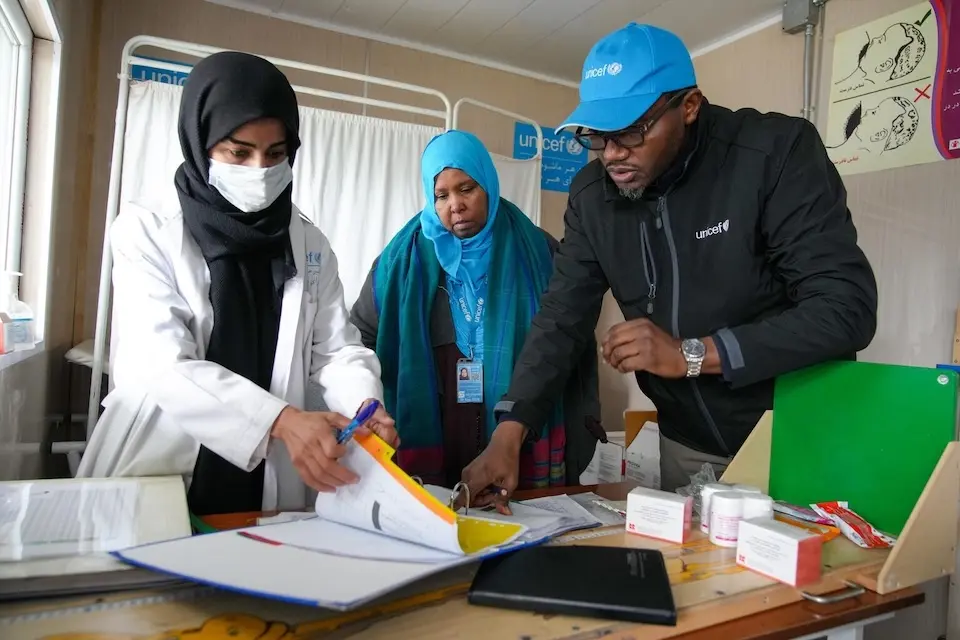
Many of this latest wave of returnees are arriving in urgent need of medical support and visibly lost, seeking some basic information about what to do next with their lives.
“The pattern is not new and the cause is often the same: violence and fear," Oyewale said. In 2025, nearly 3 million Afghans returned to Afghanistan from neighboring countries, primarily from Iran and Pakistan; around 60 percent were families with children.
At the peak of last year's returns to Afghanistan, UNICEF supported more than 8,000 unaccompanied children and children who had become separated from their families.
Learn more: A Safe and Dignified Return for Afghan Families, With Support From UNICEF
How UNICEF helps Afghan returnees
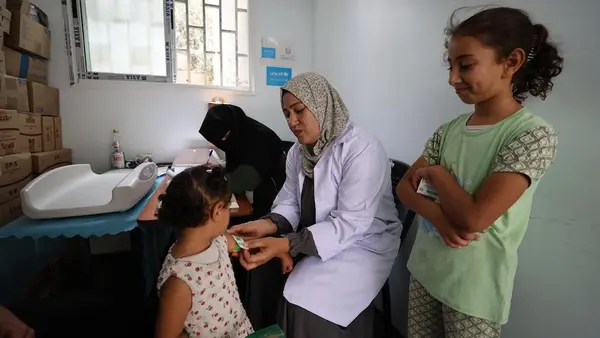
Together with UNHCR, the UN refugee agency, and humanitarian partners, UNICEF is working to ensure that essential services for children and families can be maintained and, if necessary, rapidly scaled up. This includes:
- preparedness for nutrition screening
- safe water
- vaccination services
- primary health care
- child protection services at border points, reception centers and in areas of return
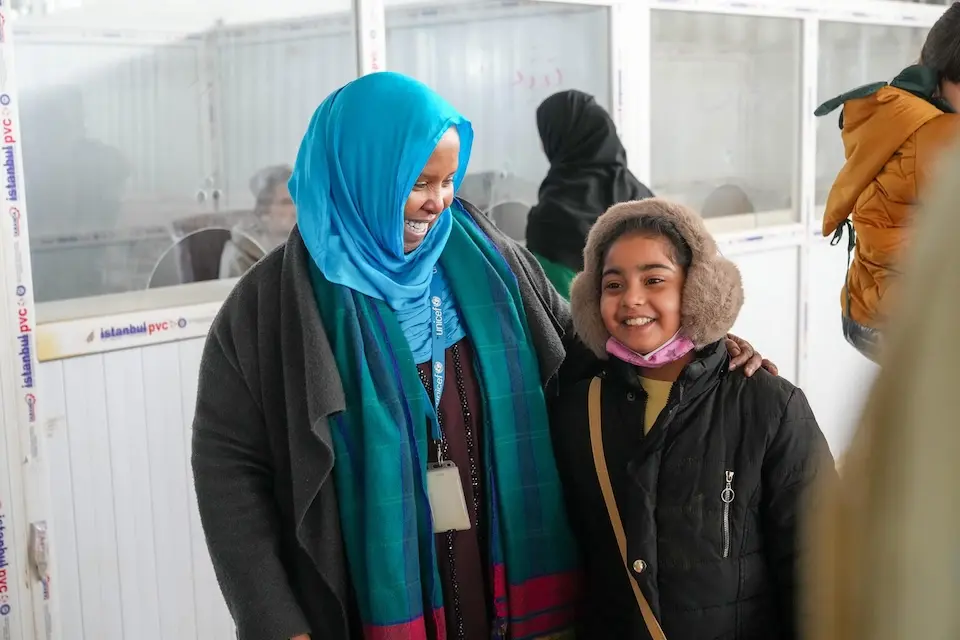
Afghan families are returning to a multi-layered crisis, where basic services are already strained
Returnees are arriving at a time when Afghanistan is already facing an array of overlapping crises — with 11 million children in need of humanitarian support. People in Afghanistan continue to face natural disasters, a shrinking protection space, a fragile economy and climate-induced shocks — all preventing recovery from more than four decades of conflict.
Families returning through Islam Qala will move onwards to communities where basic services are already under pressure. Any significant increase in returns would place additional strain on health, nutrition, water and child protection services that children and families rely on.
"For families returning with very limited means, displacement and uncertainty can quickly increase the risk of malnutrition and ill health, particularly for young children and for pregnant and breastfeeding women," said Oyewale. “However, the geopolitical situation creates major disruption to supply chains. And this means that basic service delivery is hampered by delays — for example, malnourished children won’t receive lifesaving therapeutic food on time."
Learn more about UNICEF's work for children in Afghanistan
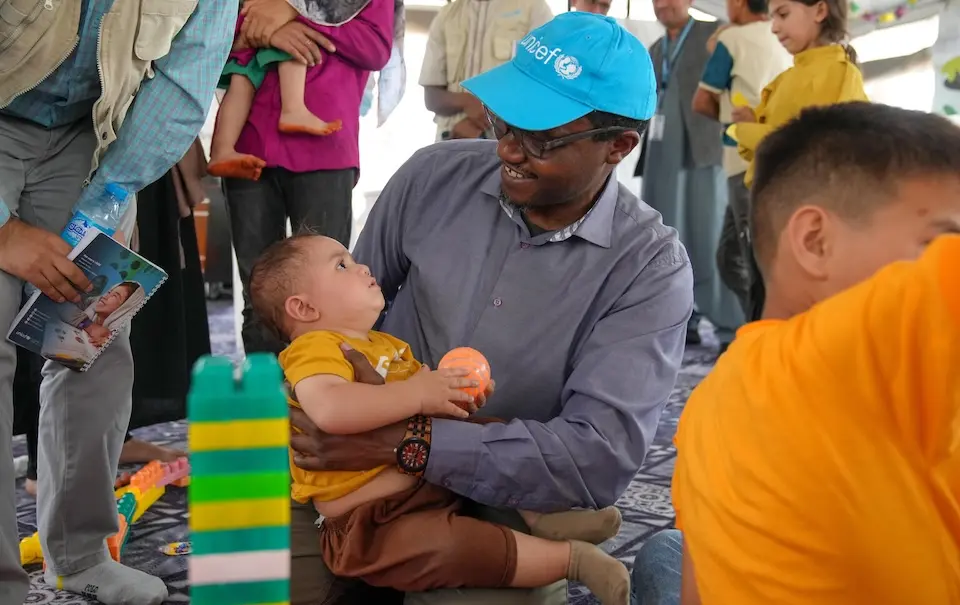
Children returning to Afghanistan must be protected and supported at every step of the way
“I cannot stress this enough: Children require particular attention, especially those who are unaccompanied," Oyewale said. "Their best interests must be prioritized and appropriate support provided, including efforts to trace and reunify families where needed. Otherwise, they will be exposed to serious protection risks, including abduction and violence."
Early action will be essential to ensure that, should returns increase, children and families can access timely support and essential services.
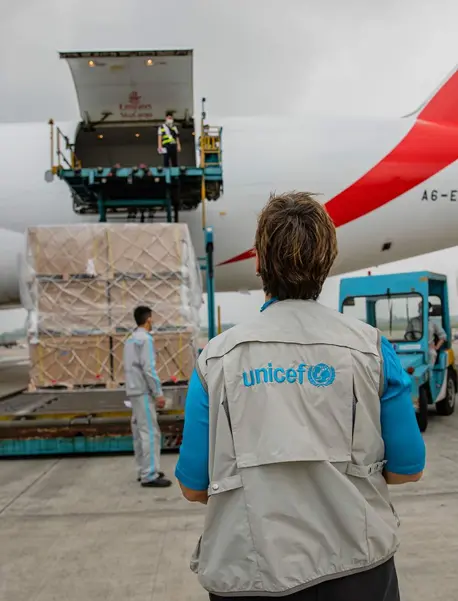
UNICEF's Humanitarian Response Plan for Afghanistan is currently severely underfunded, at just 10 percent. "For the immediate response, we call on all partners — private sector, donors and friends of children to support us with the urgent airlifting of critical nutrition, health, water sanitation and hygiene supplies for children and their families," said Oyewale.
Read UNICEF Afghanistan's 2026 Humanitarian Action for Children (HAC) appeal
* UNICEF USA complies with U.S. sanctions restrictions, and, as such, we do not accept funds specifically designated for programs in Iran. We do, however, raise funds for UNICEF programming in the Middle East and North Africa region.
HOW TO HELP
There are many ways to make a difference
War, famine, poverty, natural disasters — threats to the world's children keep coming. But UNICEF won't stop working to keep children healthy and safe.
UNICEF works in over 190 countries and territories — more places than any other children's organization. UNICEF has the world's largest humanitarian warehouse and, when disaster strikes, can get supplies almost anywhere within 72 hours. Constantly innovating, always advocating for a better world for children, UNICEF works to ensure that every child can grow up healthy, educated, protected and respected.
Would you like to help give all children the opportunity to reach their full potential? There are many ways to get involved.