UNICEF's Commitment to Education for Girls
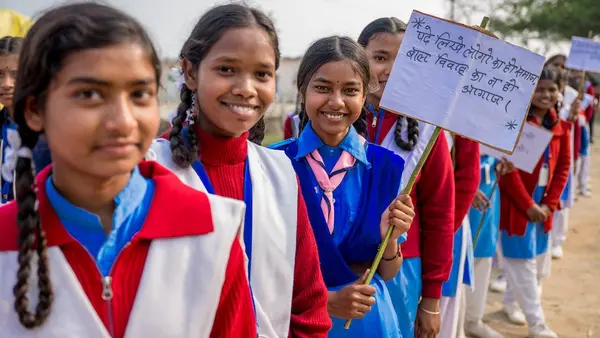
Education for girls is a fundamental right. UNICEF is helping countries build stronger educational systems that address girls’ needs and bolster their progress. Efforts also support local programs that remove major obstacles to girls' education, such as child marriage and child labor.
Why girls' education is important
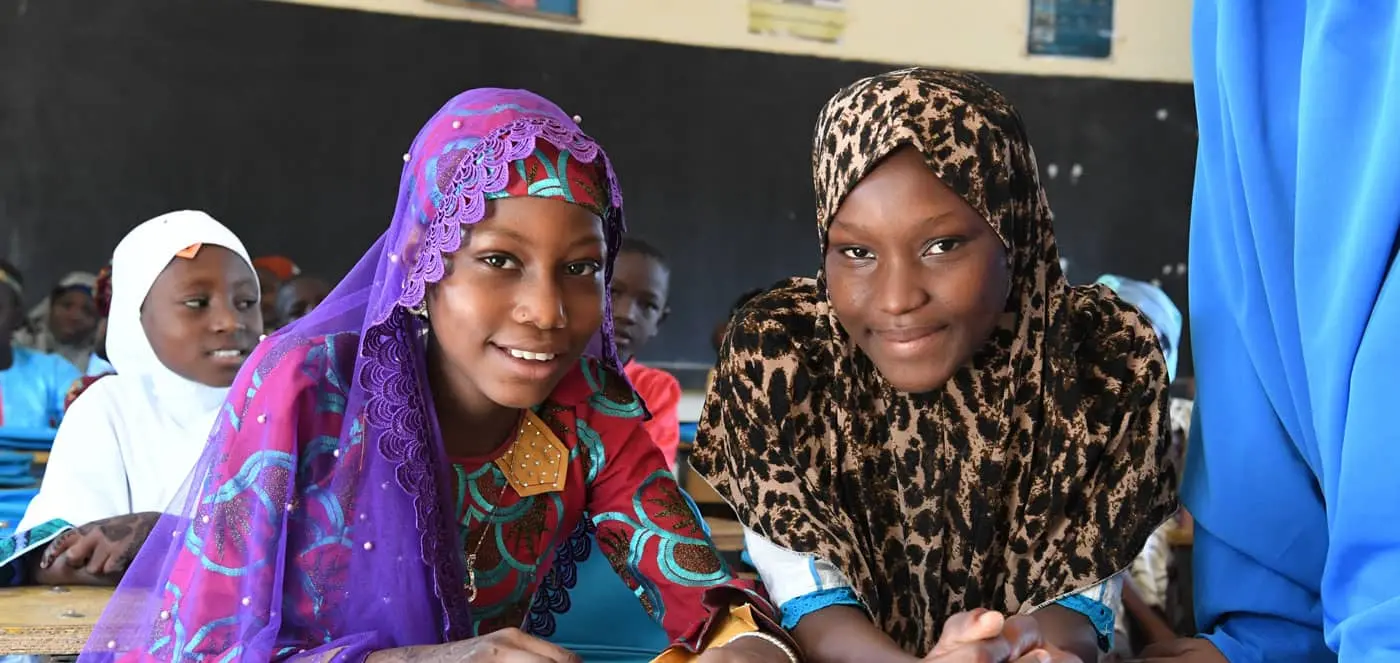
When girls can attend and complete school, they gain knowledge and skills that can support healthier futures, greater economic opportunity and stronger communities. Expanding access to education also helps advance equality for girls and protects their rights.
Girls face persistent barriers to completing their education
In the March 2025 report "Girl Goals," UNICEF reported that in the world's least developed countries, girls aged 10 to 14 are twice as likely as boys of the same age to spend at least 21 hours a week on unpaid household chores and caring for younger siblings — responsibilities that can interfere with schooling.
When families are pushed deeper into poverty, the pressures on girls to go to work or to marry increase; without the daily structure and safety that schools provide, risks of exploitation and abuse multiply.
Nearly 4 in 10 adolescent girls and young women globally do not finish upper secondary school, and girls are more likely than boys to leave education to undertake unpaid care work, marry or have children. Missing out on secondary education can limit future earnings and remove an important protection against child marriage, adolescent pregnancy and malnutrition.
In Afghanistan in particular, girls face many barriers to education. Watch the video:
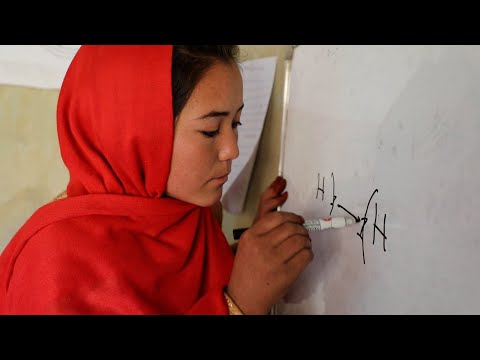
UNICEF: committed to ensuring equal access to learning to help girls thrive
UNICEF works with governments and other partners to help strengthen national educational systems and improve girls' access to learning. UNICEF also works to remove major obstacles to girls' education, advocating for an end to child marriage and child labor.
As a leader in WASH, UNICEF is also working to improve access to safe water, which helps ease the water burden on girls so they can spend more time learning. Improving sanitation and hygiene facilities in schools also helps boost girls' attendance during their menstrual periods.
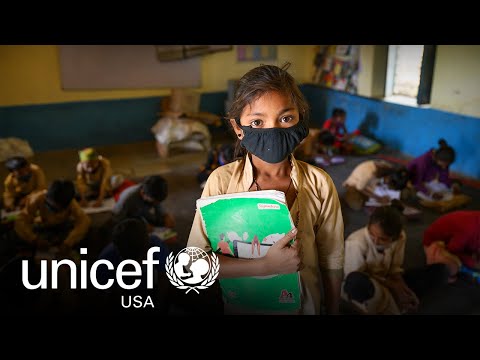
Helping to make girls' education more affordable for families
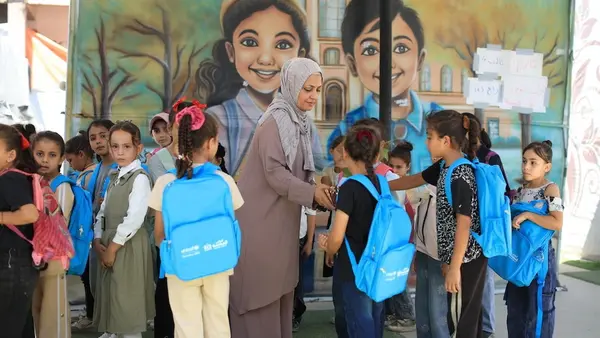
Another way UNICEF supports education access for girls: providing essential learning supplies such as books, backpacks, desks and other basics. UNICEF reaches tens of millions of children with learning materials every year.
UNICEF is helping to make education more affordable through humanitarian cash transfers, which eases economic pressures on families that can force children to go to work instead of school. The Kids in Need of Desks (K.I.N.D.) Fund has helped girls in Malawi stay in school by providing scholarships.
And UNICEF keeps innovating to keep students learning — even in a crisis: Working with governments and other partners, UNICEF is working to close the greater digital divide girls face — ensuring their equal access to online education and other digital tools within their household or community.
Frequently asked questions about girls' education
What is the importance of girls’ education?
Girls’ education helps girls build knowledge and skills, exercise their rights and pursue healthier, more secure futures. Expanding female education, protecting women’s education rights and educating girls can also strengthen families, communities and economies.
What barriers prevent girls from going to school?
Poverty, child marriage, child labor, household responsibilities, safety concerns and inadequate school facilities can limit education for girls. Conflict and other emergencies can create additional barriers that prevent girls from enrolling, attending regularly or completing school.
How does UNICEF support girls’ education?
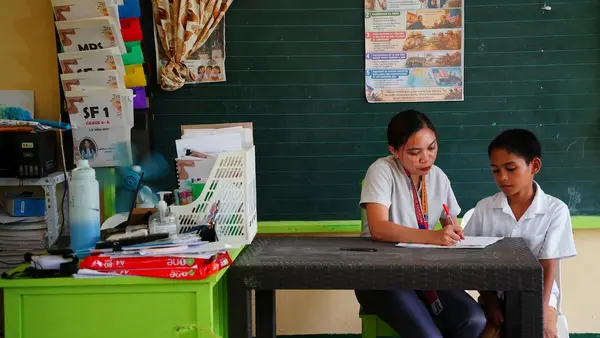
UNICEF works with governments and local partners to strengthen education systems and remove barriers that keep girls from learning. This includes supporting teachers, learning materials, safe water and sanitation, cash assistance and alternative learning opportunities. People looking to donate for girls’ education can support UNICEF USA. When comparing a girls’ education charity with others, donors should consider transparency, global reach and how each organization supports lasting access to education.