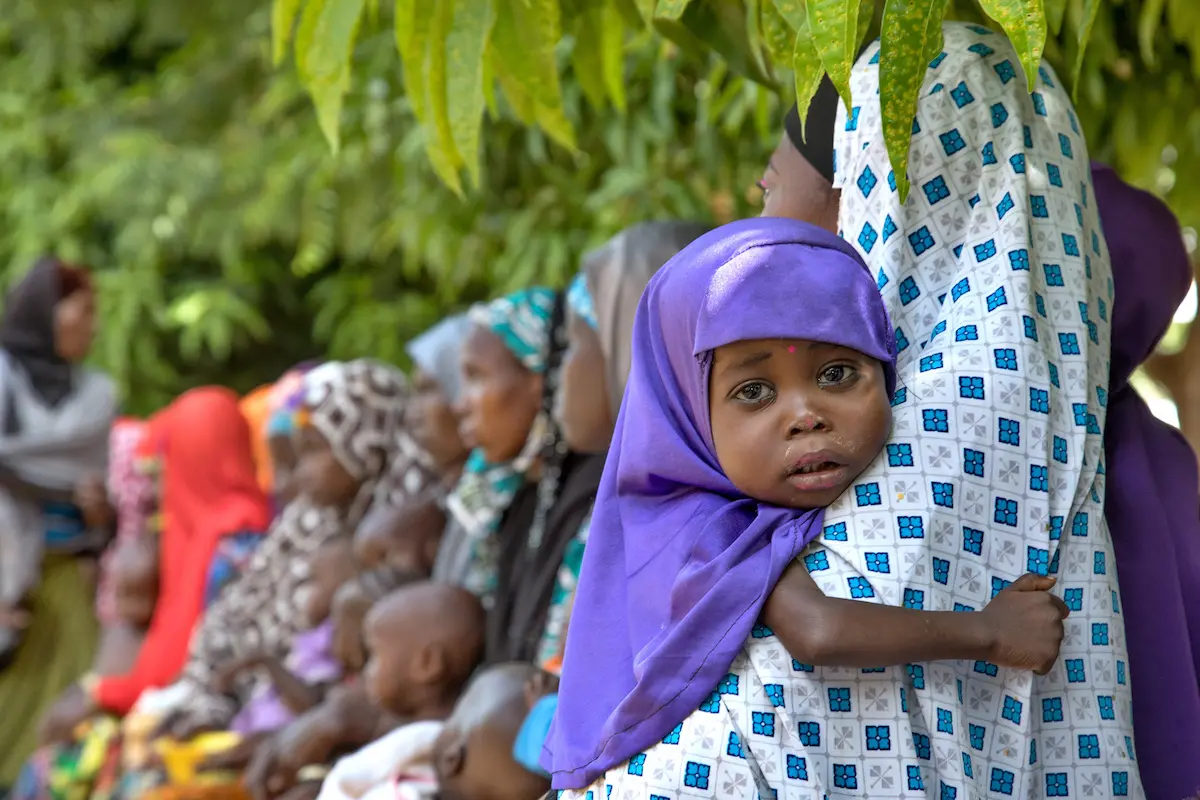
How UNICEF Supports Children in Nigeria
Overlapping humanitarian crises in Nigeria are driven by conflict and communal violence, environmental shocks and disease outbreaks. Economic instability made worse by global and regional economic shocks threatens to undo hard-won gains for children. Millions of children require humanitarian aid to survive and thrive. UNICEF is there.
Humanitarian needs in Nigeria driven by violent conflict, insecurity
Nigeria faces a deepening humanitarian crisis fueled by conflict, displacement, flooding, disease outbreaks and economic instability. An estimated 8.8 million people, including 4.9 million children, need humanitarian assistance.
Maternal, neonatal, infant and child mortality rates in Nigeria remain extremely high. Many die from preventable and treatable causes such as malaria, pneumonia and diarrheal disease. Child deaths due to lack of safe water and unsafe sanitation are among the highest in Africa.
Families and communities in northern Nigeria are facing a worsening humanitarian crisis driven by years of conflict and violence by Boko Haram and other non-state armed groups. In the northeast, ongoing insurgency continues to drive displacement and vulnerability; in the northwest, banditry and kidnappings are widespread; and in north-central areas, communal violence has intensified.
Conflict, displacement and rising prices have pushed food insecurity to alarming levels. Severe acute malnutrition among children is a critical concern, affecting an estimated 1.8 million children under 5.
Education is severely disrupted, with over 10 million children out of school, particularly in the northwest and northeast regions. Ongoing insecurity — including mass school abductions — continues to limit safe access to education.
Children across the country face escalating protection risks, including abduction, recruitment by armed groups and attacks on schools and health facilities.
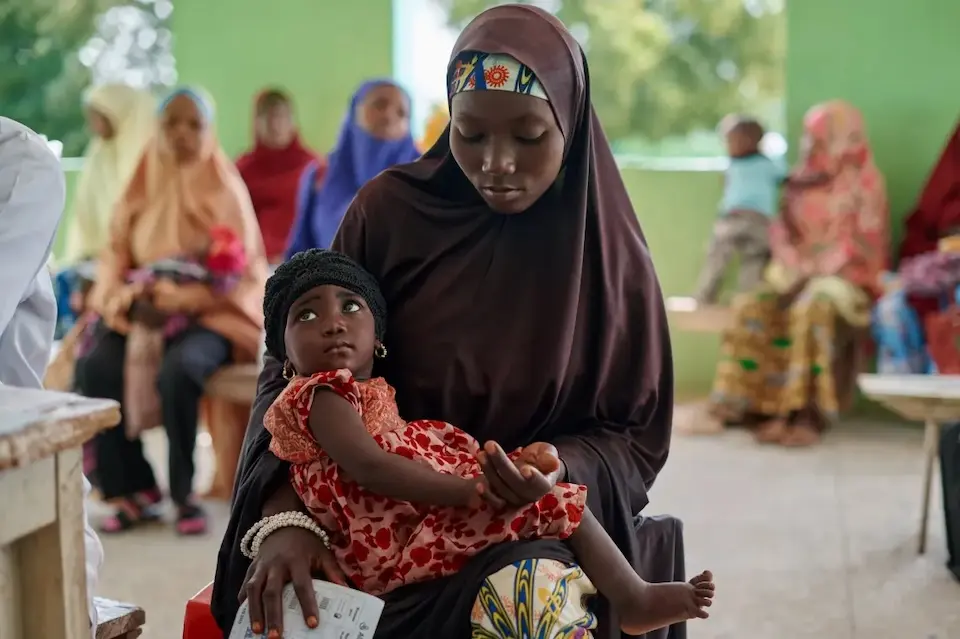
Millions of people uprooted by violence, endangering children's health and safety
Violence and insecurity has uprooted millions of people, with some fleeing into neighboring Niger. Hundreds of thousands of the displaced who remain in Nigeria are difficult to reach with essential services. Many health facilities are damaged and lack resources, and cholera and measles outbreaks are frequent.
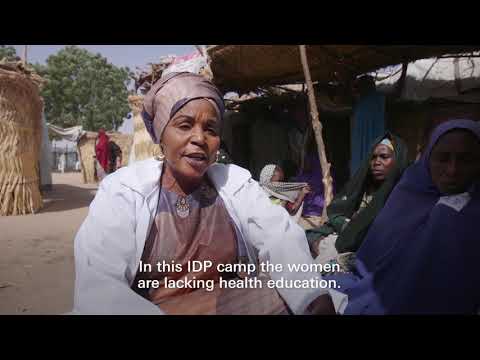
Amina, below, has worked as a midwife in Nigeria for over two decades, providing skilled care to women during labor and childbirth, and improving their chances of a healthy delivery.
Watch the video:
How UNICEF is helping children in Nigeria
UNICEF's humanitarian action plan for Nigeria focuses on meeting the urgent needs of those living in embattled areas and other vulnerable communities.
Specific interventions are
- improving access to safe water and sanitation
- screening and treating children for severe acute malnutrition
- delivering maternal, infant and young child nutrition counseling to caregivers to prevent malnutrition among children under age 5

- supplying medicines and strengthening the delivery of primary health care services, including vaccinations for children, including through mobile units
- supporting community outreach efforts to expand immunization coverage (related story: Faith, Trust and Child Well-Being in Nigeria)
- improving children's access to education, with help from a cash transfer program
- protecting children and young people from gender-based violence, sexual exploitation and abuse
Across all regions, service delivery remains constrained by insecurity, health worker shortages, supply gaps, infrastructure damage and increasing demand linked to displacement.
Despite these challenges, in 2025, UNICEF reached 441,000 children in the northeast region alone with treatment for severe malnutrition; 700,000 people with access to safe water; and 900,000 children and caregivers with protection services.
Learn more about UNICEF's impact in Nigeria in 2025
Child protection programs in Nigeria
UNICEF has trained hundreds of child protection specialists around the country in case management. Working with the government and other partners, UNICEF also supports the release of children and teens from armed groups, helping to ease their return to their communities.
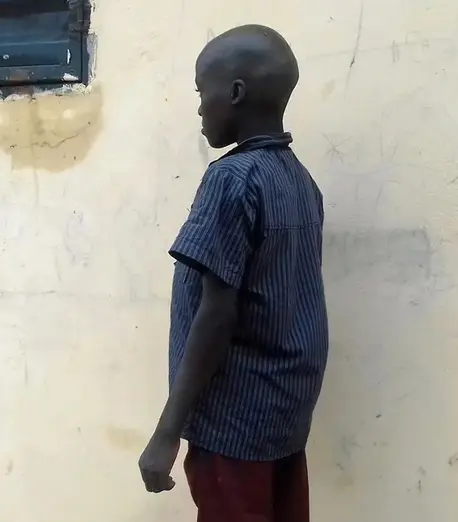
Dauda (name changed), is from Bama, Borno state. He still remembers the day his village was attacked and he was separated from his parents. “We were ordered to follow the fighters or be killed if we resisted,” he recalls.
Dauda was forcibly recruited by one of the armed groups and enslaved for two years until he was liberated by the Nigerian state military and transferred to a UNICEF-supported temporary home, where he received psychosocial support, counseling and medical treatment, and help getting back to school.
Learn more about how UNICEF supports children formerly associated with armed groups
Severe flooding prompts action to protect against seasonal climate shocks
Flooding has become an annual threat due to increasingly intense rainy seasons. Mass displacement occurred in 2025 amid widespread damage to homes, farmland, roads and water systems.
UNICEF works with partners in Nigeria to strengthen early response measures, including pre-positioning supplies, to build resilience and reduce disaster risks.
Learn more about how UNICEF responds to weather disasters