Help Children in Tunisia
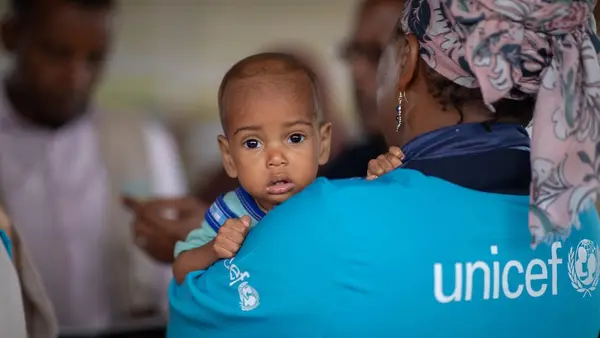
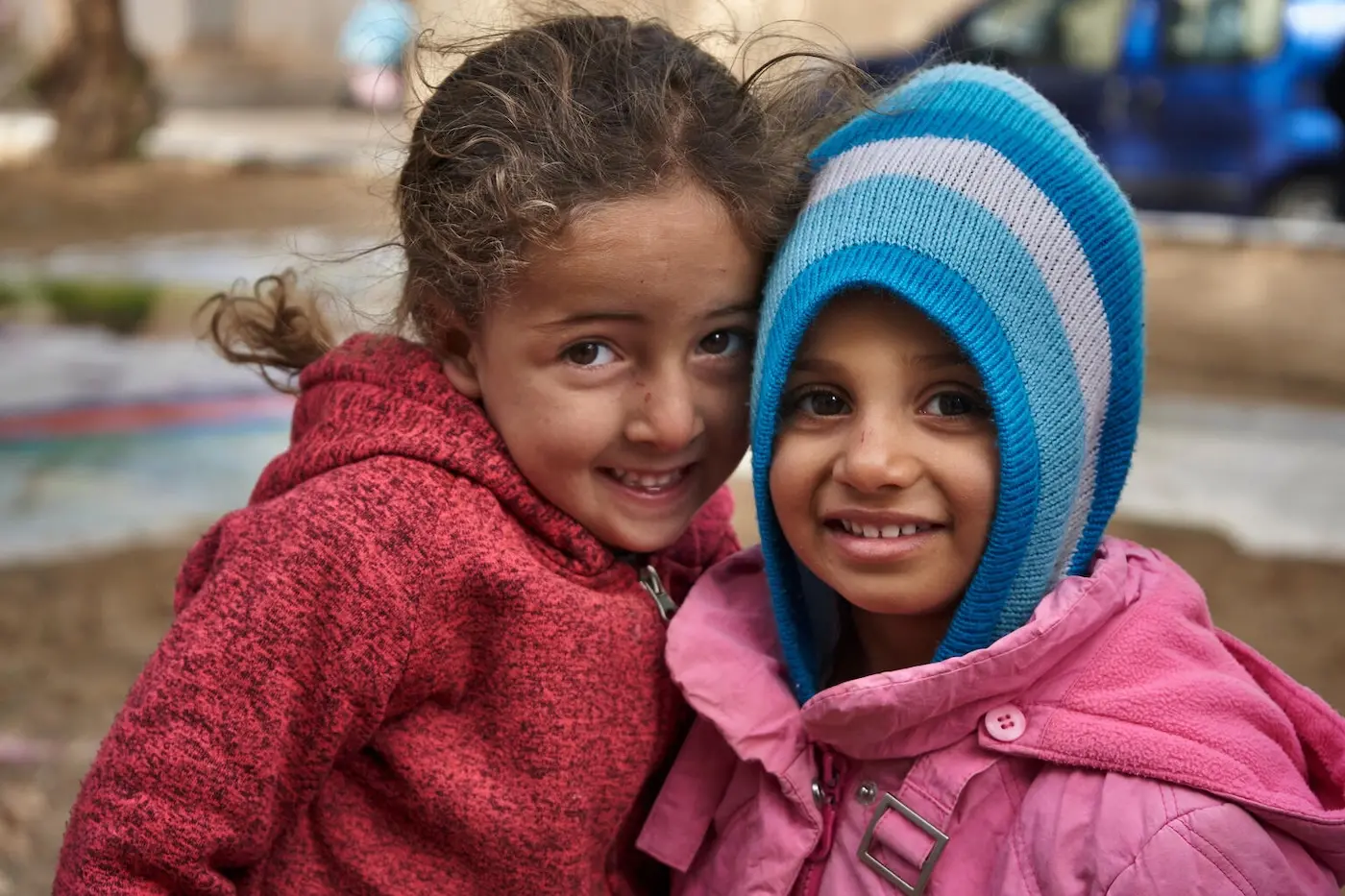
Tunisia is a developing country where children continue to face significant challenges, especially in rural areas. UNICEF works in Tunisia to address persistent inequalities and improve health, education and protection services.
Why UNICEF works in Tunisia
Tunisia, settled on the northern coast of Africa bordering the Mediterranean Sea, is a lower-middle-income country enjoying positive economic growth and development. Yet there is persistent poverty, inflation and regional inequality. The nation is also experiencing pronounced effects of climate change, from heavy rains and flooding to progressively drier wet seasons.
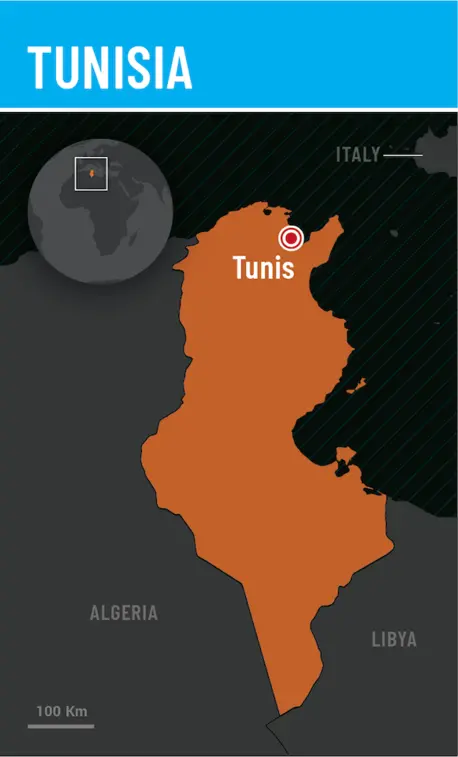
Since 1952, UNICEF has been working to improve the well-being of children in Tunisia through multiple program areas, including by expanding access to social safety nets and improving the quality of education.
Challenges facing children in Tunisia
Children in Tunisia face compounding challenges across multiple facets of their everyday lives. More than 30 percent of children in the country suffer from food poverty, which means they are lacking reliable access to sufficient, safe and nutritious food to meet essential dietary needs.
Social disparities in Tunisia, particularly when it comes to education, mean not all children receive the same opportunities to learn and thrive. Conflict in nearby Sudan has caused an influx of refugees to flee to Tunisia, creating tension between the local population and migrants.
How UNICEF is making a difference
UNICEF has been working with the government of Tunisia since 1952 to help protect and enhance the rights of children and families. Initially, UNICEF Tunisia was focused on emergency needs, but the work has evolved and expanded to encompass a wider range of areas, including child health, education, protection and more. The UNICEF Tunisia country office opened in 1994.
Learn about UNICEF emergency response and resilience programs
Health and nutrition programs
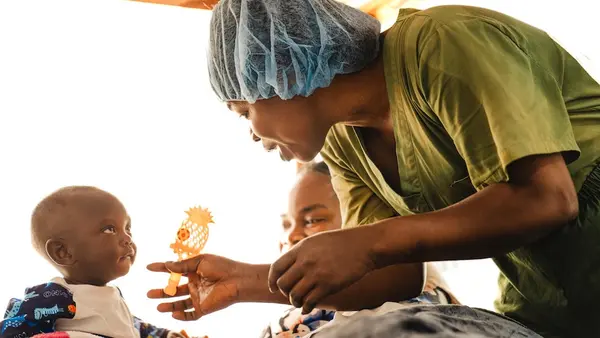
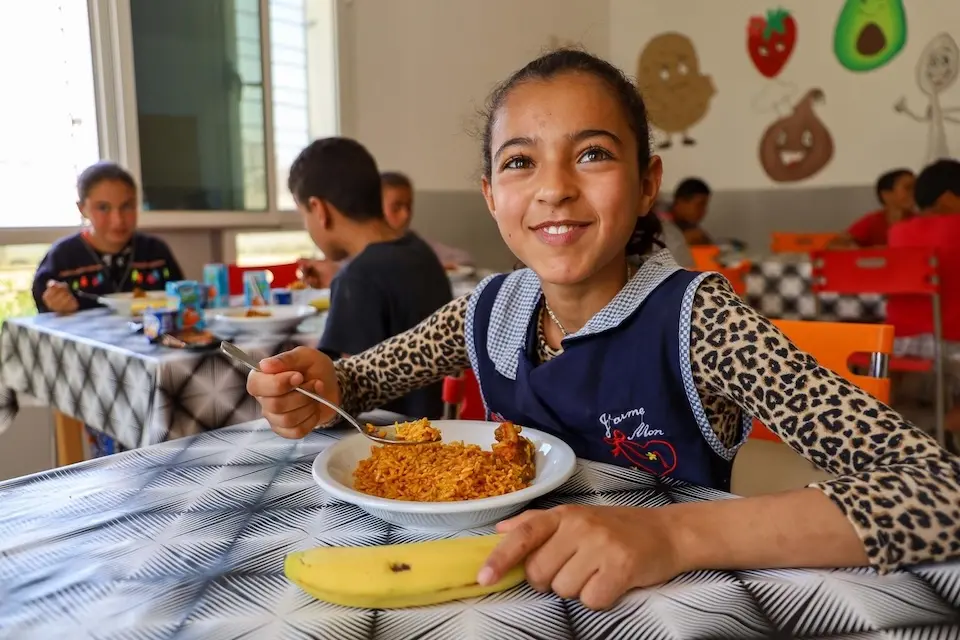
Tunisia has made steady progress in children's health through policy and system reforms, yet challenges remain. While rates of child wasting and stunting are low, the prevalence of overweight and obesity among children represents a major public health challenge. Tunisia is in the top three countries with the highest child overweight rates in the Middle East and North Africa (MENA) region.
To combat this problem, the Tunisian government adopted a national strategy supporting child feeding and nutrition, developed with UNICEF's support, and has rolled out nationwide behavior change campaigns focused on healthy nutrition. Families receive text messages promoting healthy feeding practices, and nutrition has become a topic of conversation on community radio channels. UNICEF also continues to advocate for breastfeeding in Tunisia through social media campaigns and workshops.
How UNICEF supports child nutrition
Breastfeeding gives children a healthy start
UNICEF also works closely with the Ministry of Health and other partners to advocate for improvements in health policy. In 2024, the Tunisian Parliament approved a new Maternity Leave Law, extending paid maternity leave for mothers from two to three months, and for fathers from seven to ten days.
In early 2025, the Human Papillomavirus (HPV) vaccine was introduced in Tunisia following advocacy and support from UNICEF, benefitting about 100,000 girls.
When COVID-19 struck in 2020, UNICEF stepped in to support Tunisia’s response efforts, providing more than $18 million for urgent medical equipment as well as the procurement and delivery of more than 5.6 million doses of COVID-19 vaccines. UNICEF continues to support four specialized long-COVID units in cities across Tunisia to strengthen treatment for children and adults.
UNICEF also played a vital role in the digitization of the country's health system. These efforts include modernizing the Ministry of Health data center and integrating routine immunization data into a national database.
UNICEF programs that support maternal and child health
Improving access to education
While Tunisia maintains almost universal access to primary education, disparities remain, particularly for children in disadvantaged areas. While about 90 percent of children complete primary education, only about 70 percent complete junior high school — for the poorest households, that proportion falls to less than half.
UNICEF works in Tunisia to support the expansion of key programs that offer a lifeline to the most vulnerable children. One of those initiatives is the Second Chance program, providing children and young adults who left school early with the opportunity to catch up on their studies, return to school, pursue vocational training and receive exposure to job opportunities. This program, managed by the Tunisian government and supported by UNICEF, has helped thousands since its launch in 2020.
In addition, UNICEF has supported the implementation of an early warning system for detecting children at risk of dropping out of school. This system is now part of the Ministry of Education’s IT solutions available to all schools in the country, improving children's access to psychosocial support services offered by school counseling offices and remedial education sessions as needed.
In 2024, UNICEF launched its UPSHIFT program in Tunisia. The global initiative focuses on building essential skills like problem solving, creativity, collaboration, leadership and communication. The program leverages multiple formats, including mentorship, workshops, in-person boot camps and online courses. Participants explore how to analyze and understand community challenges that they care about and build innovative products or services that address them.
Learn more about how UNICEF helps every child learn
More about UPSHIFT and other programs focused on skilling youth
Protecting vulnerable children
With over 25,000 child protection cases documented in Tunisia in 2023 alone, UNICEF continues to work toward strengthening child protection services in the country. These efforts are focused on improving the child protection system, enhancing justice for children, supporting children on the move and generating research to inform policy and programming.
In March of 2023, UNICEF supported the Tunisian Ministry of Family, Women, Children and Seniors (MFWCS) with a national communication campaign centered on violence against children. The campaign, titled “he/she will grow up but will not forget,” reached over 2 million people.
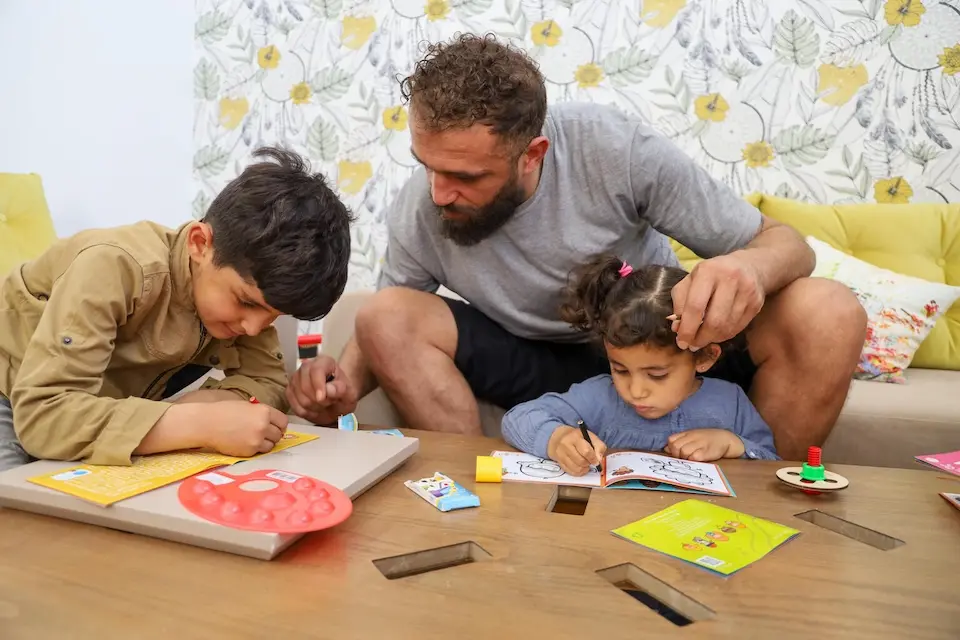
UNICEF has also been instrumental in the expansion and support of 1809, Tunisia's nationwide child helpline. The service operates 24/7 with support from UNICEF in the form of training and IT equipment. In 2024, UNICEF advocated successfully for the country to add 40 more child protection delegates, increasing the workforce by 50 percent.
In the justice sector, UNICEF has prioritized the integration of child-friendly legal frameworks and practices. By training child protection professionals and justice officials, UNICEF promoted child-centered mediation and interviewing techniques. These and other efforts help ensure that children in contact with the law are treated with dignity and their rights upheld. In 2024, an online training course specifically dealing with children on the move for professionals working in social protection and child protection was developed and launched.
Learn more about how UNICEF works to protect children in crisis
Water, sanitation and hygiene (WASH) efforts
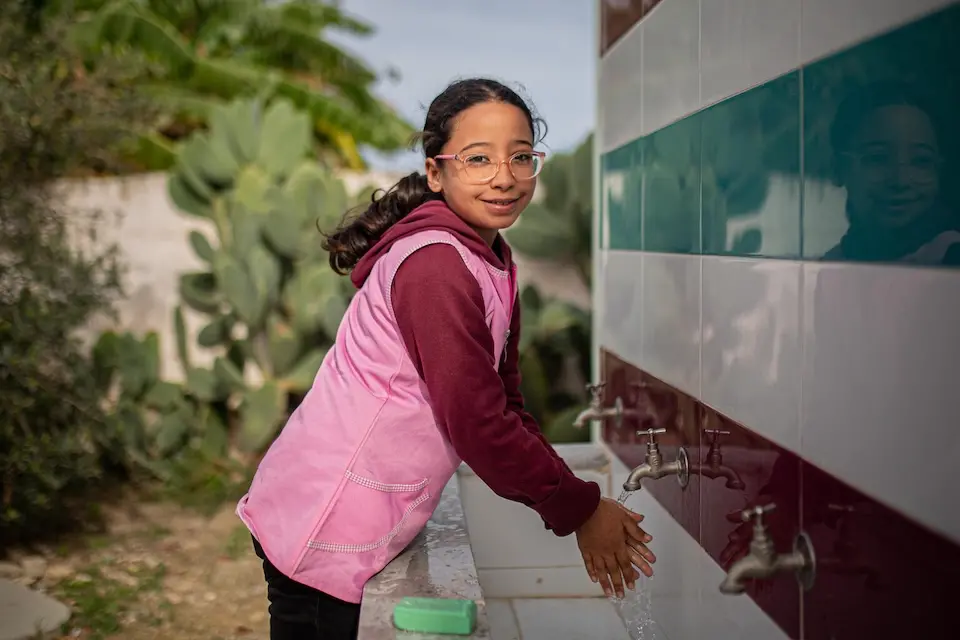
UNICEF has been prioritizing WASH programs in Tunisia’s most vulnerable regions since 2016 to address risks to children associated with water scarcity and lack of sanitation services.
From 2020-2024, the country experienced five consecutive years of drought, which only compounded problems for health centers and schools that already had limited access to clean water.
In 2023, UNICEF helped repair water and sanitation infrastructure at dozens of schools and primary health care centers. In 2024, UNICEF and partners provided migrants, refugees and asylum seekers in Tunisia with hygiene kits.
Water, Sanitation and hygiene Improvements in Tunisia Helping Kids Stay Healthy at School
How you can help
Help UNICEF support children in Tunisia and around the world. Whether through a one-time donation, monthly gift, starting a fundraiser or using your voice on social media, your support will go directly towards the health, safety and empowerment of children.
Help Tunisia: Donate to UNICEF USA
More ways to support UNICEF’s mission
Help children in Tunisia and around the world
Frequently Asked Questions
Why does UNICEF work in Tunisia?
UNICEF works in Tunisia to address persistent inequalities affecting children and adolescents, especially those in rural areas and low-income families. The organization supports efforts to expand access to early childhood education, improve child protection systems and promote social inclusion and youth empowerment.
What challenges do children in Tunisia face today?
Children in Tunisia face significant challenges, including high youth unemployment, disparities in education access, limited early childhood services and insufficient mental health support. Vulnerable groups, such as children with disabilities or those living in poverty, are at greater risk of exclusion and exploitation.
How can I help support UNICEF’s work in Tunisia?
You can support UNICEF’s lifesaving and long-term programs in Tunisia by making a one-time or monthly donation, starting a personal fundraiser or raising awareness in your community about the needs of vulnerable children.
What is UNICEF doing to improve education in Tunisia?
UNICEF collaborates with the Tunisian government and partners to expand inclusive, high-quality education, particularly for children at risk of dropping out. Programs include second-chance learning centers, digital education initiatives and early childhood development services designed to provide all children with a fair start.