The Water Burden
Far too many girls worldwide spend their days fetching water for themselves and their families — a burden that often deprives them of an education and future opportunities. UNICEF works with partners to improve access to safe water and other related sanitation and hygiene services that are essential for healthy development and well-being.
For many girls and women, access to safe water is the foundation to equity and freedom
It can easily be taken for granted, but water on demand is a luxury. With a simple turn of the tap, we shower, bathe, quench our thirst, cook our food and keep everything clean.
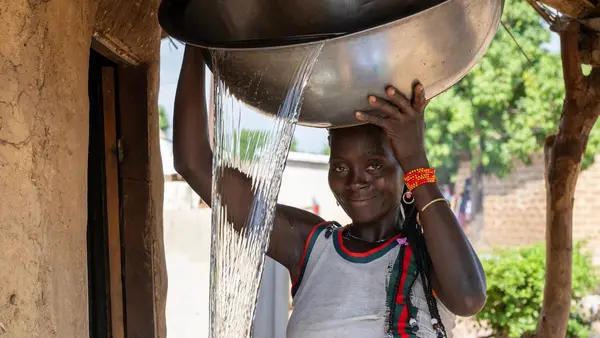
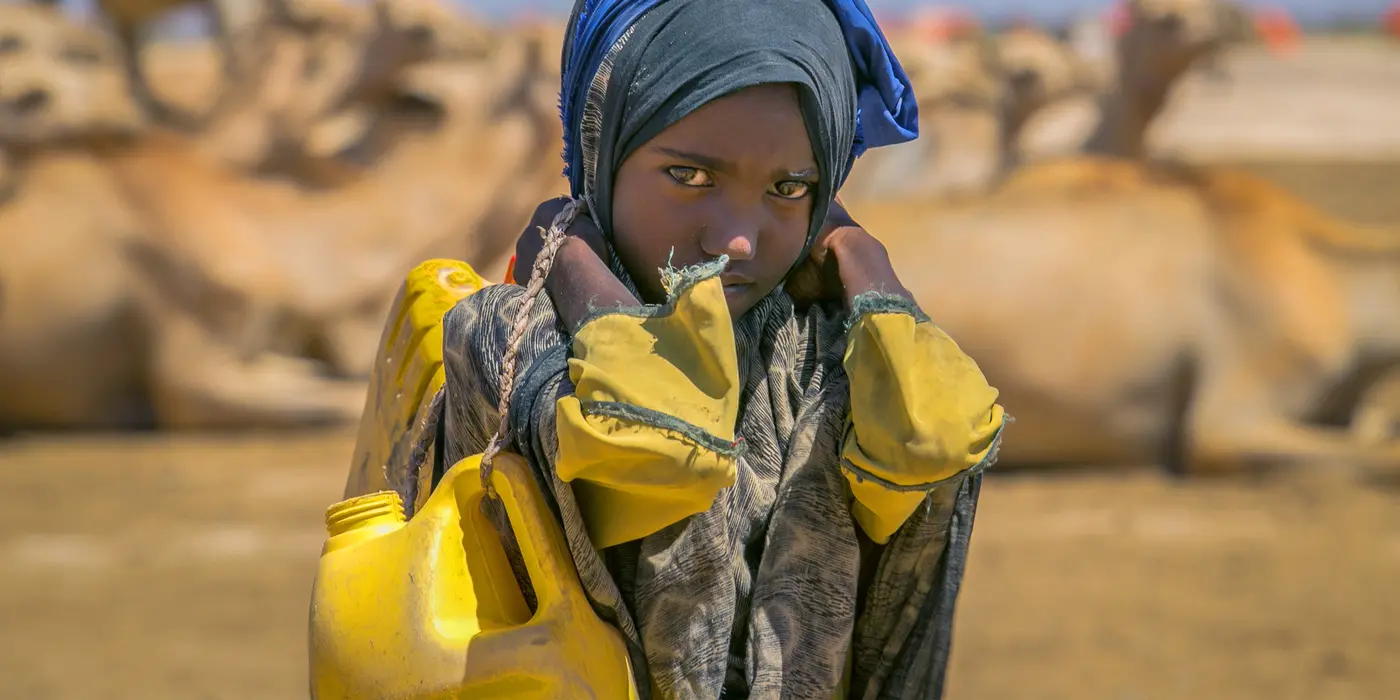
But for far too many girls and women around the world, accessing water is a lifelong burden. Collectively, they spend an estimated 250 million hours a day gathering water.
In 8 out of 10 homes without running water, it is the girls who are responsible for lugging heavy containers over rough terrain. They are often alone and at risk of being attacked or kidnapped. And the time they spend collecting water is time away from school — depriving them of a chance to build a better future.
Even girls who manage to fit learning into a day filled with household chores can easily fall behind, as one in three schools lack the toilets they need once they hit puberty. Absenteeism among girls during their monthly periods becomes yet another barrier to education for girls already facing huge obstacles.
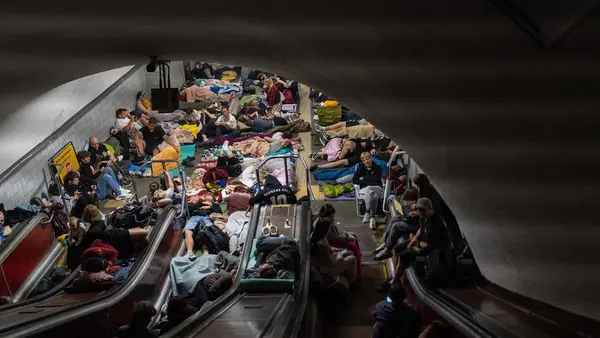
And once they grow older, girls face a life of caregiving made far more difficult by the lack of clean, safe water. Contaminated water causes illness for all, but it is women and girls who care for the sick — especially during emergencies when damaged water supplies and compromised sanitation take a heavy toll.
UNICEF and partners work to improve safe water access
The UN's Sustainable Development Goal for water and sanitation, Goal 6, calls for universal and equitable access to safe and affordable drinking water by 2030. The first step is providing everyone with a basic service within a 30-minute round trip, and the long-term goal is to ensure everyone has safe water available at home.
UNICEF invests $1 billion annually in water, sanitation and hygiene (WASH) programs in over 110 countries, building solar-powered water pumps for communities, providing education on and products for menstrual hygiene management, equipping schools with private changing rooms, single-sex bathrooms and handwashing stations and more.
Accessible WASH programs prevent girls from missing school and falling into child labor, adolescent pregnancy and forced marriage.
Related: Easing the Water Burden in Sudan
Learn more about how UNICEF supports improved access to safe water and equality for girls
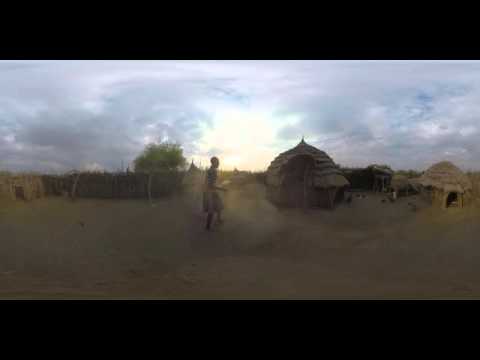
Closer look: Sylvia in Uganda
Take a 360° tour of Uganda and meet Sylvia. Learn about her strength and hopes as she struggles to find safe water: