How UNICEF Fights Childhood Non-Communicable Diseases
Non-communicable diseases (NCDs) are a growing threat to children and adolescents, undermining their basic rights to health, nutrition, education and play. UNICEF works to reduce risks and strengthen prevention and treatment. Learn more, including how to help support these efforts.
Non-communicable diseases: a growing risk to children and adolescents
Non-communicable diseases (NCDs) — which include cancers, cardiovascular diseases, chronic respiratory illnesses and diabetes — increasingly threaten children and adolescents’ right to survive and thrive.
Unlike infectious diseases, NCDs are not transmitted from person to person, but arise from behavioral, environmental, genetic and physiological risk factors. These diseases, which may be chronic or acute, often require lifelong care and create significant challenges for individuals, families and communities.
Globally, NCDs affect over 2.1 billion children and adolescents under age 20. Some NCDs, such as sickle cell disease, type 1 diabetes and certain heart diseases, often present in early childhood. Others may arise from harmful behaviors adopted in childhood and adolescence like smoking, alcohol use or physical inactivity.
Many NCDs are preventable and treatable, yet each year, about 1 million people under age 20 die from treatable NCDs, accounting for close to 16 percent of deaths for that age group.
Those who survive them suffer in myriad ways. Living with NCDs puts considerable strain on families, communities and shared resources, with ripple effects on overall well-being and productivity. Children who suffer from NCDs experience emotional distress and disrupted education and are at higher risk of mental health issues.
Childhood chronic diseases — and their high mortality rate — carry steep social and economic costs
The direct costs of lifelong care for someone with an NCD, combined with the indirect loss of income, can trap individuals and families in a devastating cycle of poverty. Globally, NCDs are projected to cause cumulative economic losses of $47 trillion by 2030, according to the NCD Alliance, worsening economic inequality and generational poverty.
UNICEF collaborates with governments and partners to strengthen primary health systems and reduce the risks of NCDs for children and young people, while also advocating for greater public-private sector investment in early detection, prevention and treatment of childhood NCDs.
NCDs as both cause and consequence of poverty
The impacts of NCDs are magnified in low- and middle-income countries, where essential health care is often inaccessible or unaffordable and where living environments often contribute to health risks. Those who live in poor urban or remote communities often live in environments with poor water and air quality. Inadequate water, sanitation and hygiene conditions (WASH) can also indirectly impact NCD risks and management. Poverty often increases risky behaviors (like a poor diet) that can lead to NCDs.
UNICEF's WASH, social protection and other programs are designed to mitigate these and other impacts of poverty on children and families, thus helping to reduce the risks of NCDs.
Related: How UNICEF addresses child poverty
In many countries, cultural beliefs and stigma surrounding NCDs often deter individuals from seeking testing and treatment and can lead to social isolation. To dispel myths and combat misinformation, UNICEF works with partners to raise public awareness through community engagement and education campaigns and promote cultural sensitivity among providers.
Child health risks may begin before birth
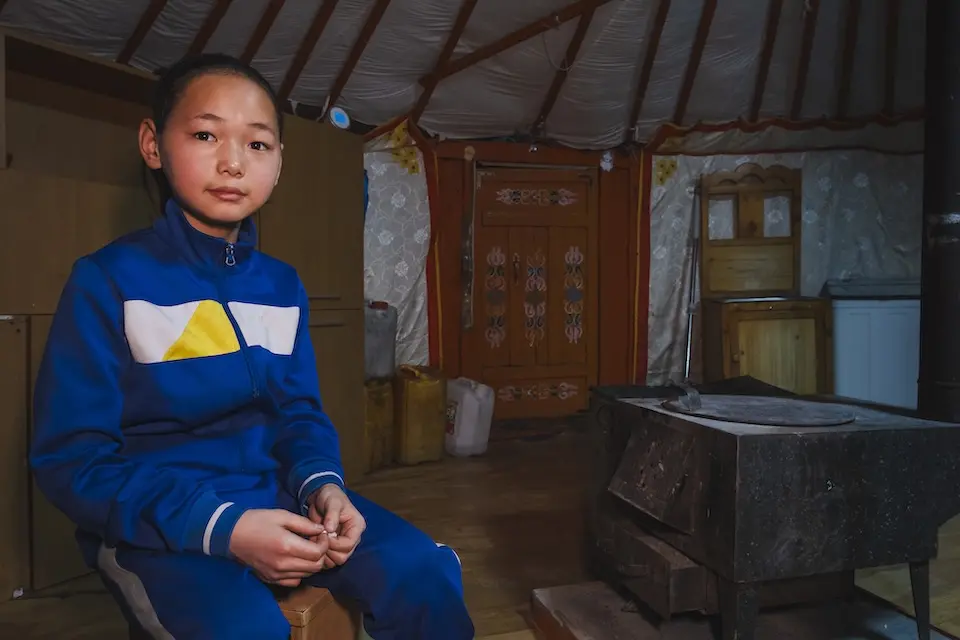
Exposure to NCD risks can occur before and during pregnancy. Indeed, poor maternal health and nutrition can increase the risk of NCDs in both mother and infant. Health interventions before, during and after pregnancy, and through childhood and adolescence, can significantly reduce disease prevalence.
Aiming for early intervention, UNICEF strives to integrate prevention and management of childhood NCDs into its maternal, newborn and child health programs. This includes programs that promote and support breastfeeding, which not only helps ensure optimal nutrition for newborns and young babies but also helps reduce the risk of NCDs for both mother and child.
Related: How UNICEF supports maternal health
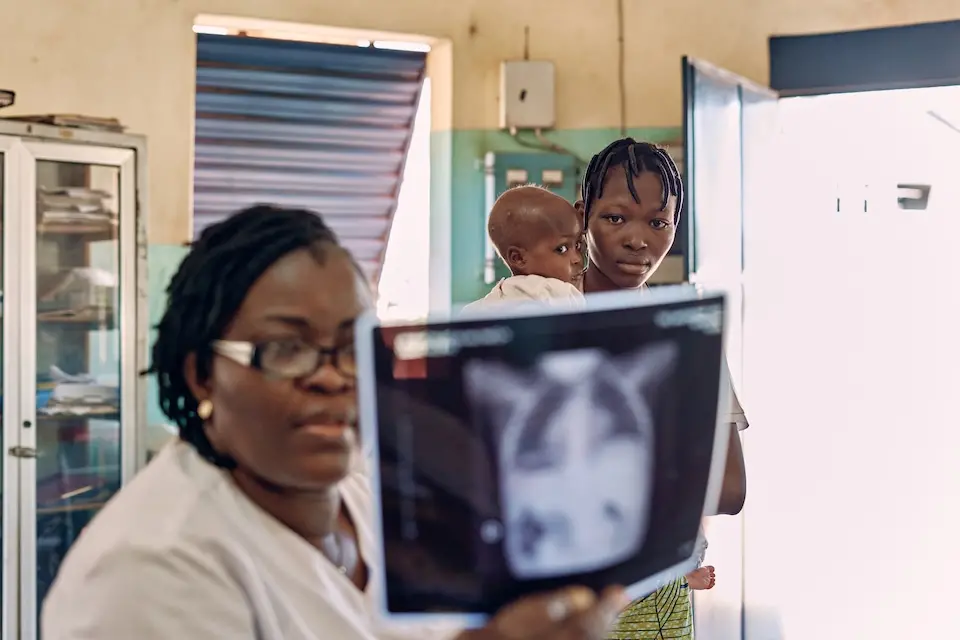
UNICEF and NCD detection, prevention and treatment: a country-led approach to strengthening public health systems
NCDs test the limits of national health systems and create emotional, physical and financial stress for families worldwide. UNICEF’s long-term plan to build sustainable public health systems includes:
- supporting country-led efforts to build and sustain public health systems by increasing funding, improving local and national governance, and fostering public and private sector partnerships working at scale
- training frontline community health workers to deliver essential health and nutrition services to children and families, often in remote areas where these services are too far or far too costly to access
- providing training, tools and technology to improve decision-making in real time and capture accurate, timely data for public health officials and policy makers map trends and plan interventions
- partnering with governments on policy development, workforce readiness and sustainable local governance
In directing increased funding and public and private sector resources to these actions, UNICEF helps to create country-led, sustainable public health systems that support NCD diagnosis and management, improving outcomes for children.
Help UNICEF reach more children and adolescents with non-communicable disease services and support. Donate today.