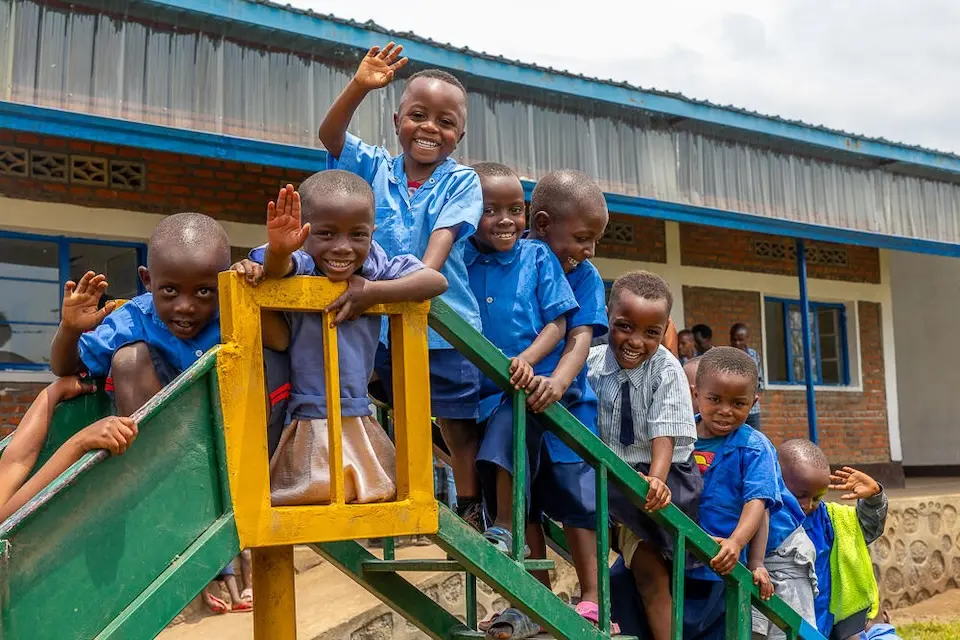
Why Early Childhood Education Matters
Early childhood education (ECE) builds key skills for school and life. Learn more about what quality ECE looks like and how UNICEF supports early learning for children globally.
Children with access to quality early childhood education (ECE) do better in primary school and beyond, the research shows, by helping to build foundational skills, supporting school readiness and helping children learn in safe, supportive environments.
Yet only about half of the world's children are enrolled in these programs. Poverty, climate crises, armed conflicts and lack of resources all hamper access. In low-income countries, nearly 8 in 10 children do not have access to early childhood education programs.
UNICEF works with government agencies and local community partners to help expand early childhood education opportunities as part of its commitment to the Sustainable Development Goals for 2030, which include SDG 4.2: to ensure equal access to quality pre-primary education.
Donate to support UNICEF’s work for children
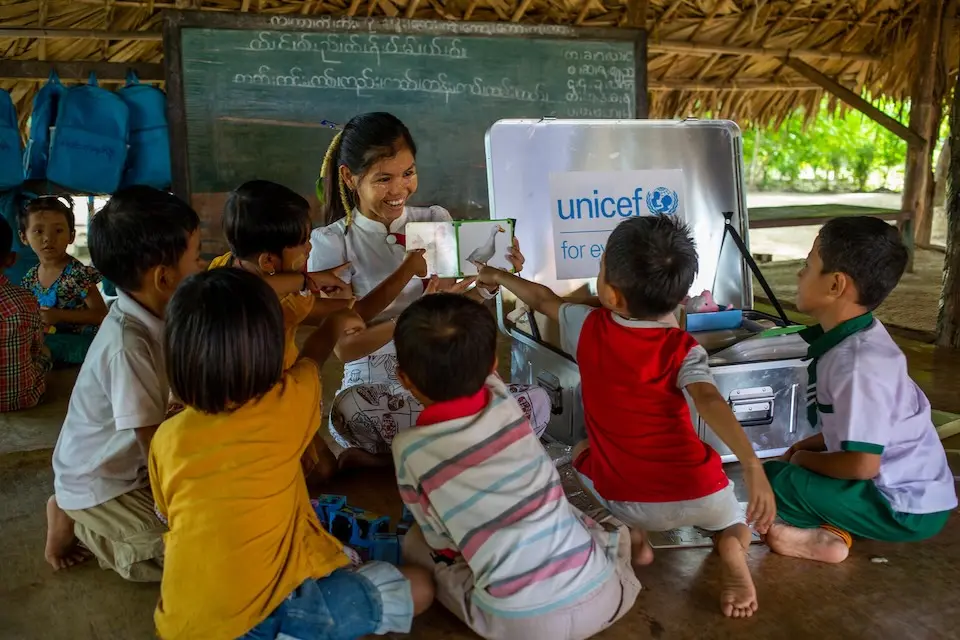
What is early childhood education?
Just as early childhood development is critical during the first 1,000 days of a child’s life — during which time more than 80 percent of a child’s brain is formed — early childhood education targets the important and formative years before a child turns 6, the age they would typically start primary school. The main goal of early childhood education is to prepare children for that transition.
UNICEF-supported ECE programs help lay a foundation for the development of critical thinking, language, social and other skills that help kids thrive in their later years. A study commissioned by UNICEF found that children who complete early childhood education are more likely to complete primary and secondary education.
Early learning centers also often serve as sources of health care and nutrition support, helping to introduce healthy habits.
And there are other benefits: By enrolling their child in an ECE program outside the home, a caregiver is freed up to participate in the workforce in support of the family.
Early childhood learning is a strong investment for any national government; research data shows that pre-primary education lowers the costs of remedial education programs and better prepares children for future employment, and as productive members of society.
The nature of these programs can vary based on age demographics and the needs of the communities where they are offered. They can be formal and informal, and both school and home based.
Approaches include:
- preschool and pre-primary programs that support early learning through play and exploration
- community-based early learning programs that expand access in underserved areas
- support for caregivers that help them strengthen early learning at home
- transition-to-school programs that focus on helping children adjust to the primary school classroom environment
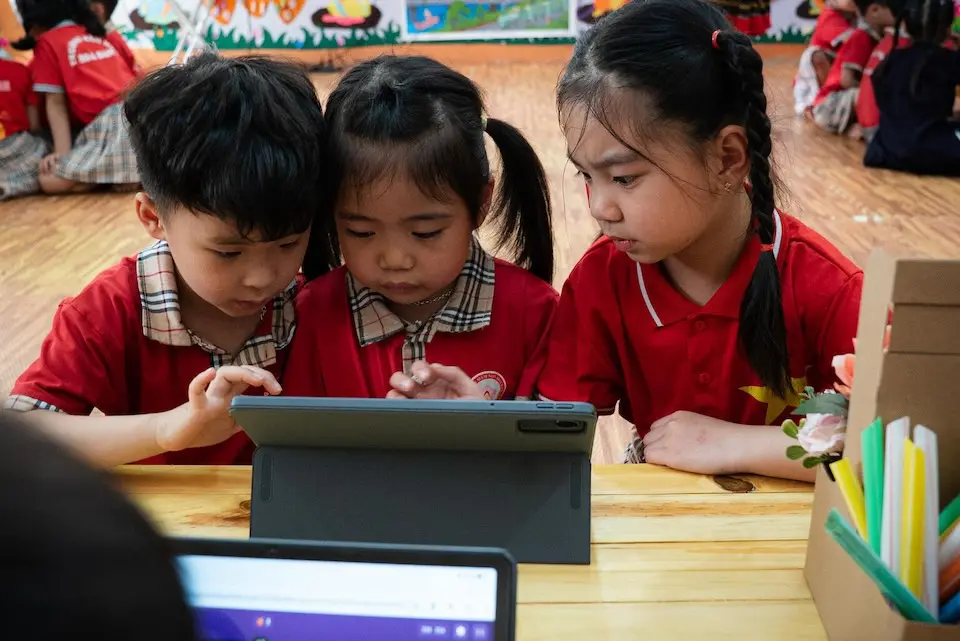
What prevents children from accessing early childhood education programs?
There are a number of obstacles that impede access to early childhood education opportunities:
- Poverty — by far the biggest impediment, statistically speaking. Children from poorer households are less likely to gain access to pre-primary education than their counterparts from wealthier homes. The same holds true on a national scale. The inequity is most glaring in low-income countries, where the poorest children are eight times less likely to attend ECE programs than children from the wealthiest families. Countries with fewer resources may prioritize primary education and have little left for programs deemed supplemental. In West and Central Africa, for example, countries average 2.5 percent of education budget to ECE programs, leaving 70 percent of children without access.
- Shortages of trained and qualified preschool teachers — which makes staffing centers in remote areas difficult. More than 9 million new teachers are estimated to be needed to make universal pre-primary education possible.
- Humanitarian emergencies — by uprooting children and families, disrupting basic services and limiting both freedom of movement and the number safe spaces where caregivers can feel comfortable leaving their children for periods of time.
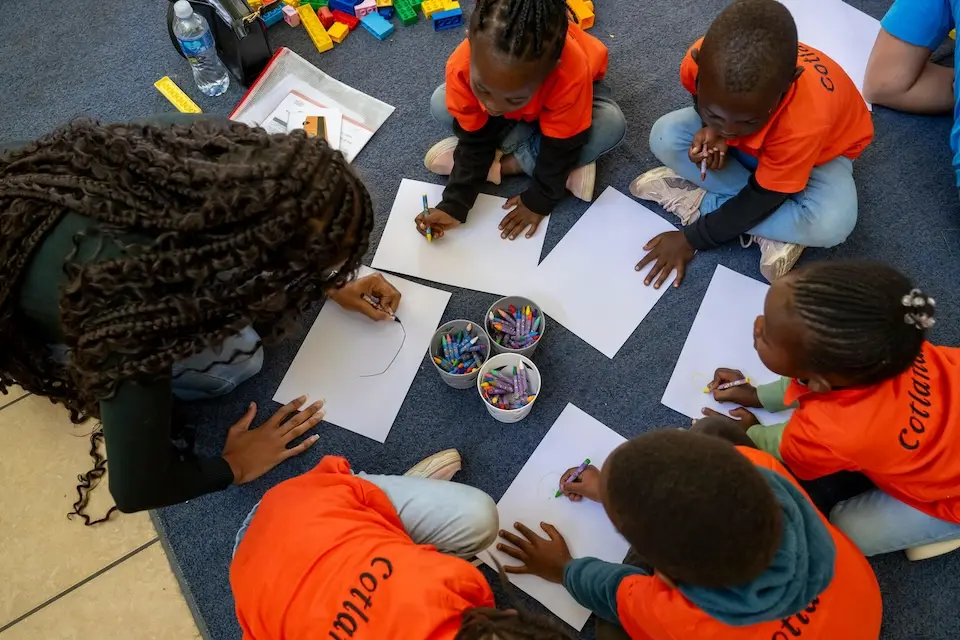
How UNICEF supports early childhood education
Every country in which UNICEF works has its own challenges and requires different solutions to establish early childhood education for as many young students as possible; UNICEF tailors and adapts its approach accordingly.
Depending on the context, UNICEF may focus on one or more of the following:
- strengthening early learning systems with governments and partners
- training and supporting early childhood educators as well as caregivers
- improving inclusion so that more children — especially children with disabilities — can access early learning opportunities
- reaching children in emergencies with safe learning spaces to support continuity of learning
Learn more about UNICEF's education programs
Here are some examples of how UNICEF is working with partners to improve ECE for children in need in specific countries:
-
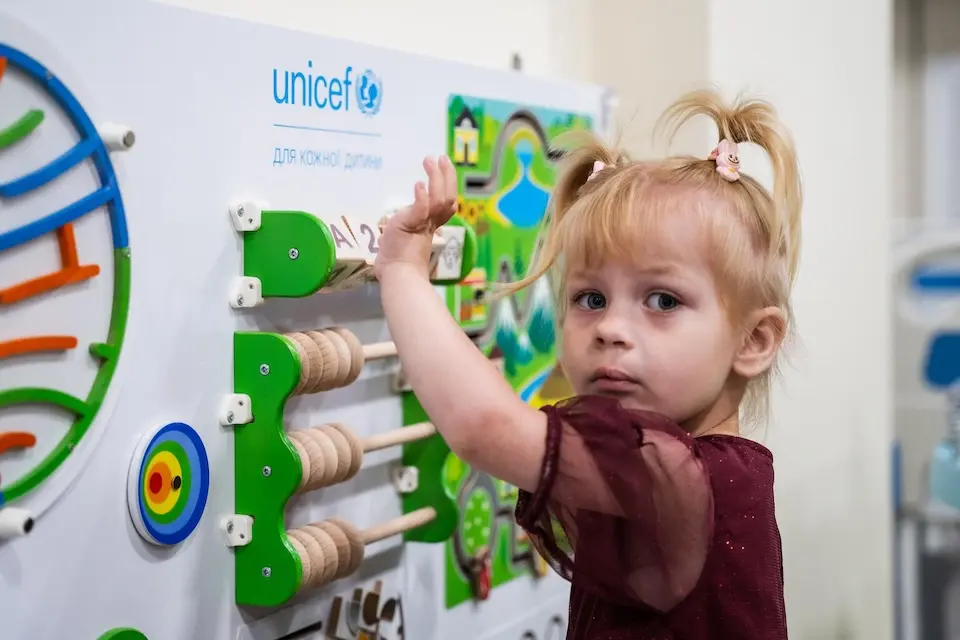
In Ukraine, the ongoing war has forced the closure of kindergartens and schools in cities and regions hard hit by the fighting and limited early childhood education opportunities. UNICEF-supported early learning centers fill some of that void with safe and inclusive spaces where children are taught essential learning and social skills through play, and given a reprieve from the dangers outside.
Services for children with developmental and speech issues, disabilities and psychosocial needs are also made available. UNICEF also supports learning recovery efforts, in some cases utilizing bomb shelters, to keep children as young as three from falling too far behind in math and Ukrainian language studies.
-
In Rwanda, UNICEF and its partners have established early childhood development centers in border towns, filling a dire childcare need for mothers who need to cross into Uganda and the Democratic Republic of Congo to work or sell goods.
Besides providing basic health care, WASH facilities and nutrition, the centers are run by trained caregivers who introduce pre-primary education to children who would otherwise not be exposed. Activities and lessons help teach literacy, early math and social skills necessary to help prepare the participants for entrance into primary school.
-
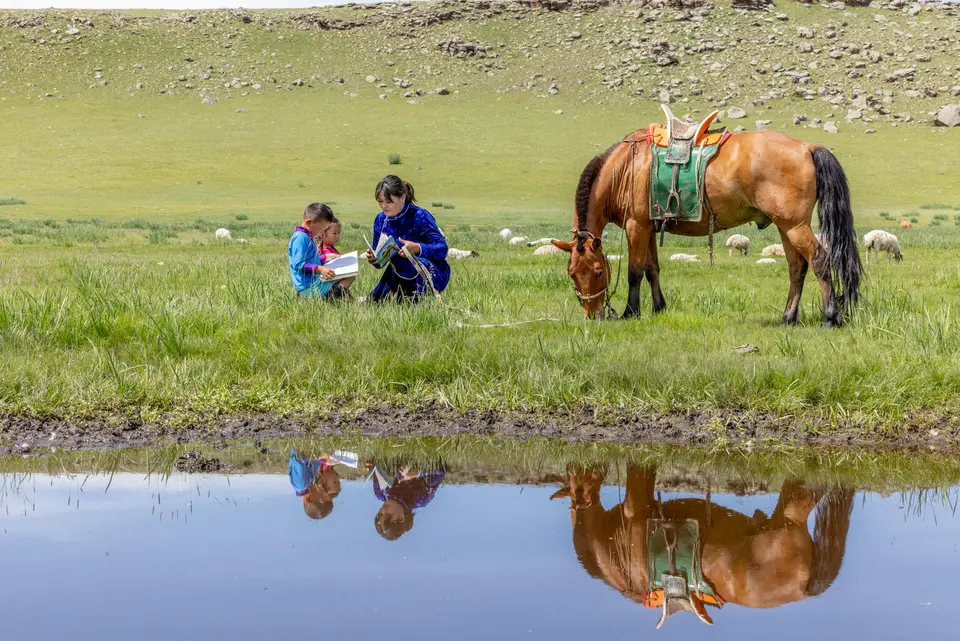
In Mongolia, children in rural and nomadic communities are often deprived access to the level of pre-primary education as their counterparts in cities. UNICEF Mongolia helps support and implement programs that bring that education to them, such as “tablet teachers” and mobile kindergartens held under tents that can be relocated to where they are needed.
Audio lessons geared towards 4- to 5-year-olds can be played on handheld devices that are directly distributed to families that do not have other educational access, particularly during the harsh winter season that makes traveling outside of remote villages more difficult.
How to help UNICEF improve access to early childhood education
With global education funding facing steep cuts, support from private sector donors is needed more than ever to help expand early childhood education for children in need.
The purchase of an inspired gift can provide essential supplies such as an early childhood development kit, soccer balls or an art set.