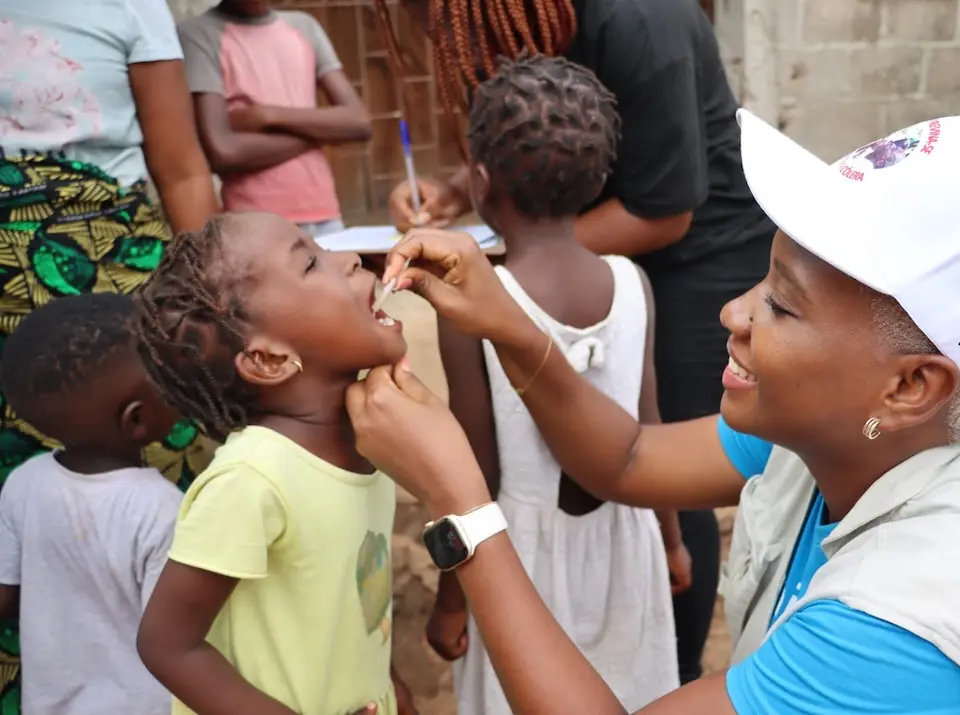
Every Child
Protected from Deadly Diseases
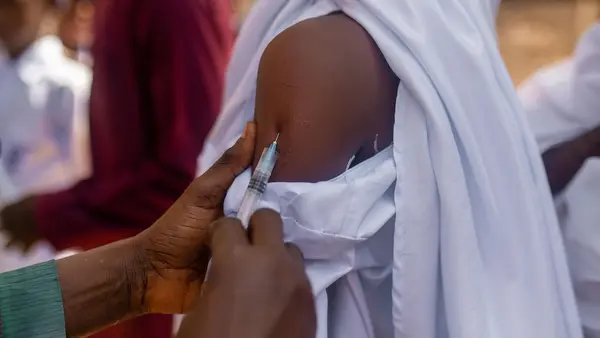
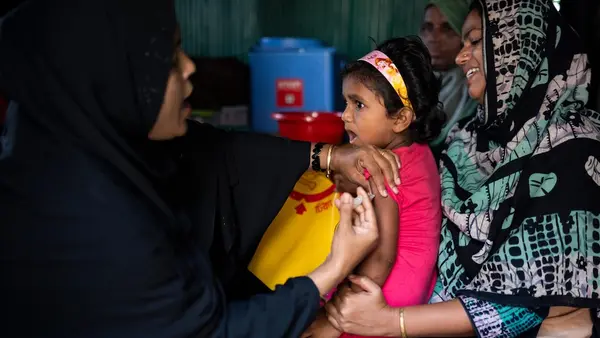
Vaccines save lives. UNICEF works with partners to make sure all children have access to routine immunizations.
Immunization: a global public health success story
Immunization — a pillar of UNICEF's global mission for children — is considered one of the most successful and cost-effective health interventions in human history. Vaccines are a powerful public health tool, contributing to a 40 percent improvement in infant survival rates over the past 50 years and protecting tens of millions of children from lifelong disabilities.
Thanks to vaccination campaigns and related programs spearheaded by UNICEF and partners, polio is on the verge of being eradicated. All but eight countries have eliminated maternal and neonatal tetanus. New vaccines, like those for HPV and rotavirus, have prevented millions of deaths, offering hope for the future.
Learn about World Immunization Week
UNICEF: world's largest vaccine buyer
As the world's largest single vaccine buyer, UNICEF procures nearly 3 billion doses of vaccines annually for routine immunization campaigns and outbreak response — enough to vaccinate almost half of the world's children under age 5. Over the past 50 years, vaccines have saved an estimated 154 million lives.
And vaccinating a child doesn’t just protect that child — it protects everyone by helping to prevent outbreaks that can easily cross borders and become global health threats.
Read more: Vaccines Save Lives
Getting children vaccinated takes teamwork
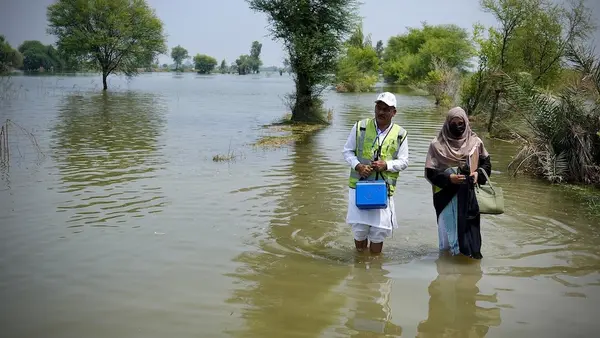
The success of UNICEF's global immunization efforts would not be possible without teamwork: without doctors, nurses and community health workers, scientists, parents, educators, governments, civil society groups and other partners coming together to get shots into the smallest arms.
There are still gaps to fill. Not every child gets fully vaccinated on schedule and as recommended by the World Health Organization. Conflict, displacement and poverty can impede access, leaving tens of millions of children around the world unprotected against preventable diseases like measles, whooping cough and pneumonia.
Vaccine hesitancy — fueled by vaccine myths and misinformation — is another barrier that UNICEF and partners counter through public education campaigns and with help from community mobilizers.
Learn how outbreaks threaten progress against vaccine-preventable diseases
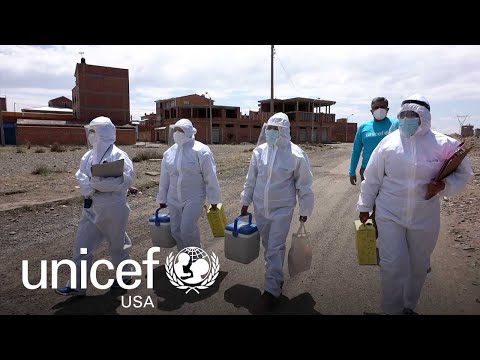
When vaccination rates drop, the risks of deadly disease outbreaks go up
When immunization coverage drops, diseases that were previously under control can come back.
Through catch-up campaigns and other acceleration efforts, vaccination rates have started to rebound after declining during the COVID-19 pandemic. But millions of infants still miss out on routine vaccinations every year. And there are still millions of older under-vaccinated kids out there, including "zero-dose" kids who have never received a single vaccination.
Immunization provides a foundation for good health at the start of life and puts children on a path toward a healthier, more productive future.
Read about UNICEF 's immunization partners
UNICEF won’t stop protecting children. A contribution of $51 is enough to protect 50 children from measles.