International Day of Sport for Development and Peace: Celebrating How Sports Help Children Grow and Thrive
Observed on April 6, the International Day of Sport for Development and Peace recognizes the value of physical play for childhood development.
What is the International Day of Sport for Development and Peace?
Established by the United Nations, the International Day of Sport for Development and Peace is celebrated each year on April 6 to highlight the positive impact sports can have on society. The date was chosen to honor the first modern Olympic Games, held on that day in 1896.
The International Day of Play is observed on June 11. Both dates are occasions to recognize active play and sports as important for advancing child health and well-being and other sustainable development goals.
The International Day of Sport for Development and Peace highlights how sports initiatives can promote cooperation, inclusion and healthy lifestyles, transcend different cultures and languages and bring people together, by breaking down barriers and closing cultural divides.
This year's theme underscores sport’s unique capacity to foster peace in an increasingly fragmented world; to be a powerful catalyst for social transformation through dialogue, solidarity and mutual respect.
Sport for Development (S4D) programs like UNICEF's intentionally use sports and play to serve broader social, health and economic development goals by supporting children's education, inclusion and youth empowerment.
Learn more about UNICEF's Sport for Development (S4D) programs
The many benefits of participating in sports
Participation in sports and play by children directly benefits their mental and physical development and well-being, providing opportunities for learning, protection, social inclusion and empowerment.
Skills learned through sports — such as fair play and teamwork — can help children build life skills and strengthen their communities.
UNICEF promotes physical activity, sports and other forms of organized play as a way to promote good health and well-being of children everywhere. UNICEF works with partners to ensure that every child's right to play is protected and respected.
Why kids' sports are important for healthy childhood development
Regular physical activity supports children in many ways:
- physically — strengthening muscles, cardiovascular systems and bones while reducing chronic disease risk; improving balance, coordination and overall motor skills
- cognitively — boosting concentration that helps children stay engaged in school
- mentally — helping to build self-esteem and develop a positive view of themselves through personal achievements
- emotionally — helping kids gain resilience as they learn how to deal with loss, fatigue and other challenges, and as a way to reduce stress and anxiety
- socially — providing a means for developing life skills such as leadership and the value of discipline and dedication, while teaching cooperation, respect, sportsmanship and how to work with a diverse group of peers
Which sports offer these benefits for kids?
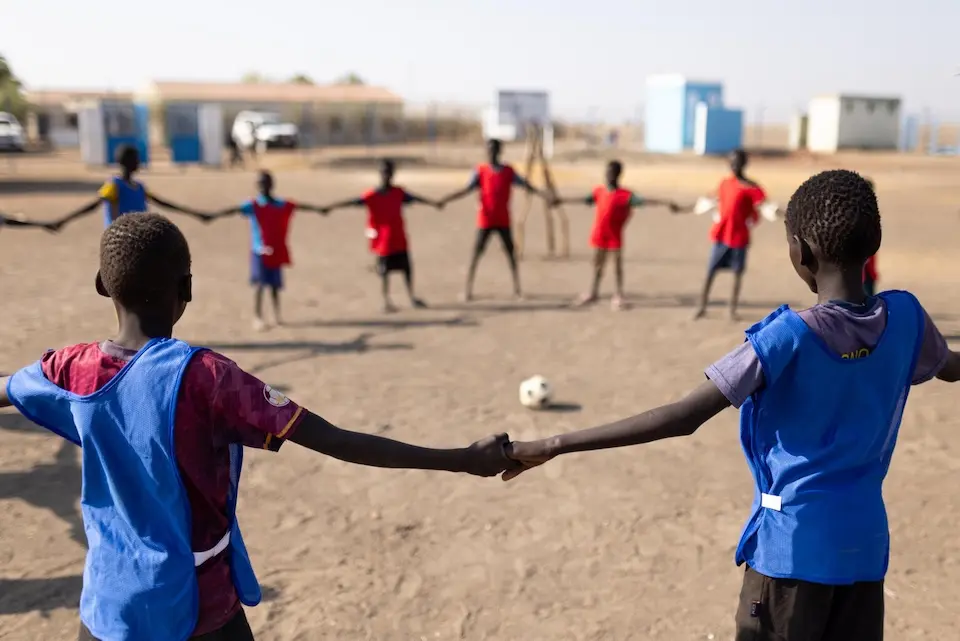
Sports like soccer and basketball are great for kids — and it only takes one ball to engage a whole group. But any organized group game that is physical and encourages collaboration and perseverance will do.
For optimal benefits, the activity should take place in a safe space where children feel supported and connected, and that fosters positive relationship building among peers.
The environment should be inclusive, with everyone welcome to participate; a space where kids from different backgrounds can come together for a shared experience.
Related: Teaching Your Child Healthy Habits
How UNICEF Sports for Development (S4D) programs support children worldwide
UNICEF works globally to help ensure children have access to safe environments where they can learn, grow and play. Sports and recreation programs supported by UNICEF often complement initiatives focused on education, health and child protection.
Related: The Power of Sports and Play
Here are just a few examples of UNICEF programs around the world: that promote sport for development (S4D):
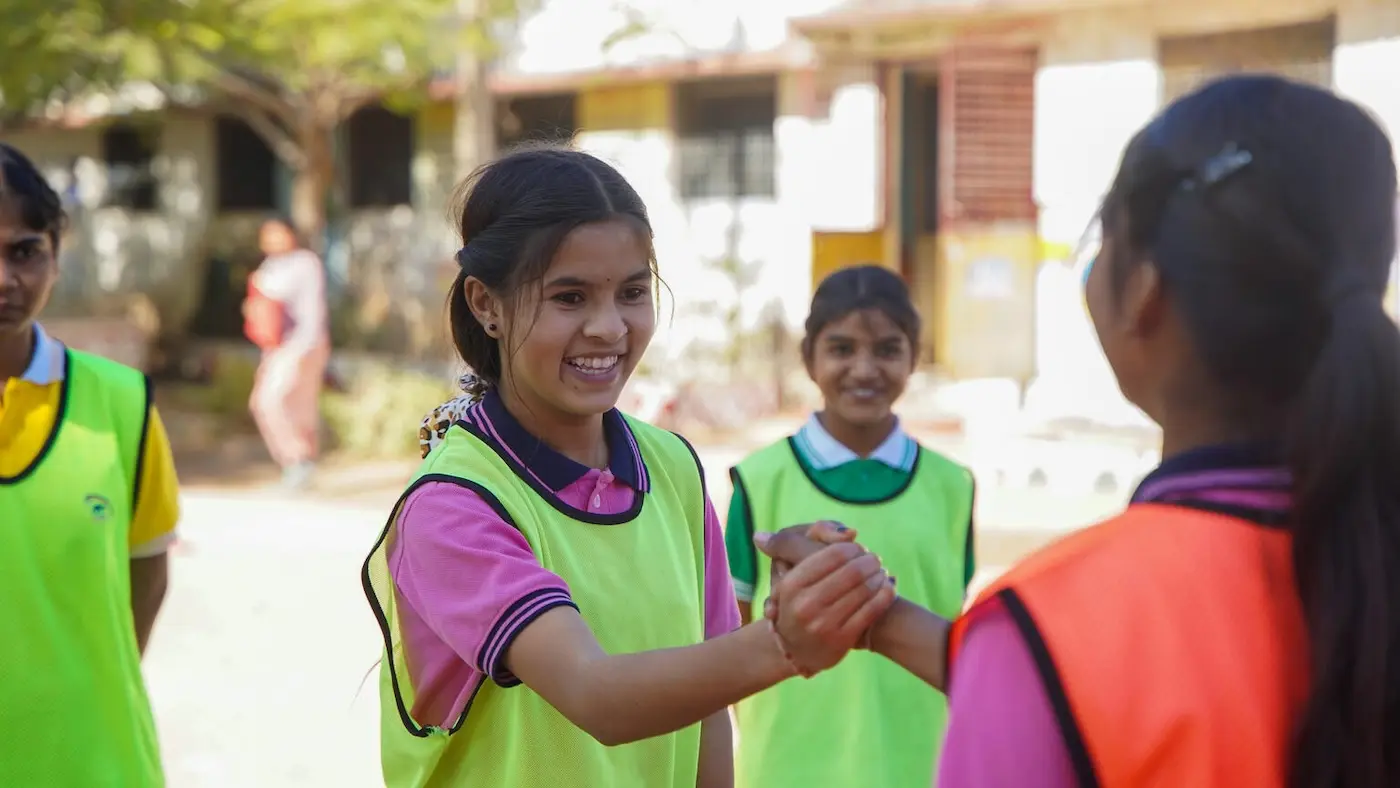
- In India, a UNICEF-supported campaign to promote sports and physical fitness among girls from tribal communities works to bolster their defenses against sexual harassment and discrimination, while encouraging them to exercise their rights to free expression
- At UNICEF-supported schools in Djibouti, all children are given opportunities to take classes and play sports, including girls, migrant children, children with special needs and children who live in nomadic communities
- In Venezuela, UNICEF child-friendly spaces provide a safe and supportive environment where children and adolescents can be kids. UNICEF works with civil society partners to implement strategies based on sports and recreation for the prevention of violence and access to quality education
- In humanitarian crises, UNICEF supplies recreation kits containing sports equipment and games to help children cope with trauma and experience a sense of normalcy through play
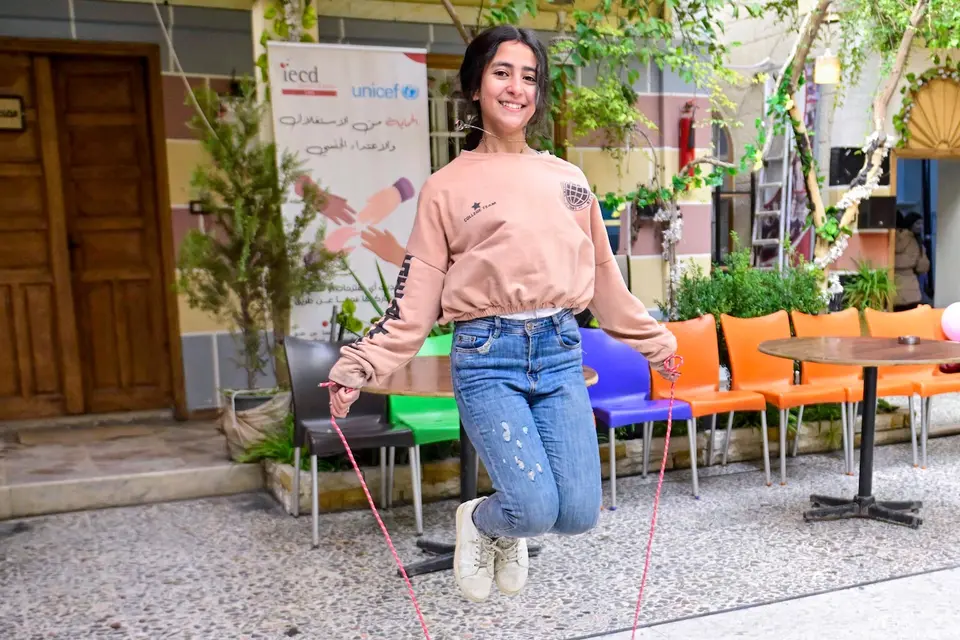
How you can support UNICEF’s work through sports
Donating to UNICEF helps ensure children around the world have continued access to recreational sports and safe environments to play.
UNICEF USA has developed a robust network of U.S.-based leagues, teams and individual athletes who advocate and fundraise on behalf of UNICEF's mission, providing additional opportunities to donate and support UNICEF’s work.
Shopping at UNICEF Market is another way to generate support for UNICEF's global programs for children.
Frequently asked questions about the International Day of Sport for Development and Peace
Why is the International Day of Sport for Development and Peace important?
The International Day of Sport for Development and Peace encourages communities and organizations worldwide to recognize the value of sports and play. The observance raises awareness about the role sports play in children’s development and well-being. Athletics promote teamwork, inclusion and healthy lifestyles for kids around the world.
How can I support the International Day of Sport for Development and Peace?
Support global organizations like UNICEF to help ensure more children have access to opportunities for sport and play; support programs in your community that expand sports opportunities for children; talk to friends or post on social media about the importance of sports and play; participate in events that celebrate youth athletics and teamwork; run a local or community sports day to encourage movement through organized sports.
What is the role of sport and play in helping children succeed?
Sports help children develop confidence, resilience and leadership skills through team play. Regular physical activity also supports learning, social development and emotional well-being. Sports are an important part of helping children build life skills that support them beyond childhood.
HOW TO HELP
There are many ways to make a difference
War, famine, poverty, natural disasters — threats to the world's children keep coming. But UNICEF won't stop working to keep children healthy and safe.
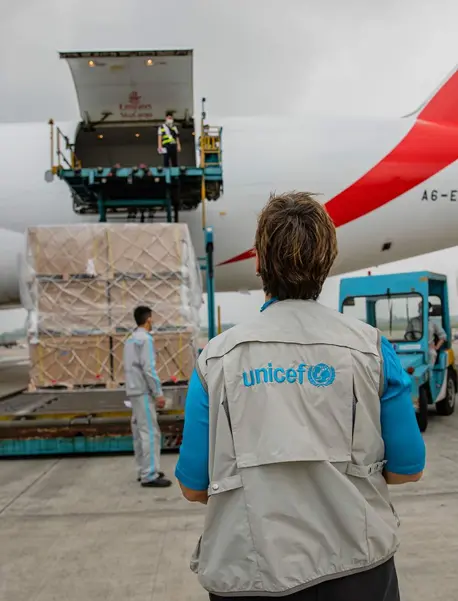
UNICEF works in over 190 countries and territories — more places than any other children's organization. UNICEF has the world's largest humanitarian warehouse and, when disaster strikes, can get supplies almost anywhere within 72 hours. Constantly innovating, always advocating for a better world for children, UNICEF works to ensure that every child can grow up healthy, educated, protected and respected.
Would you like to help give all children the opportunity to reach their full potential? There are many ways to get involved.