How Sport Drives Development — and Sets Kids Up for Success
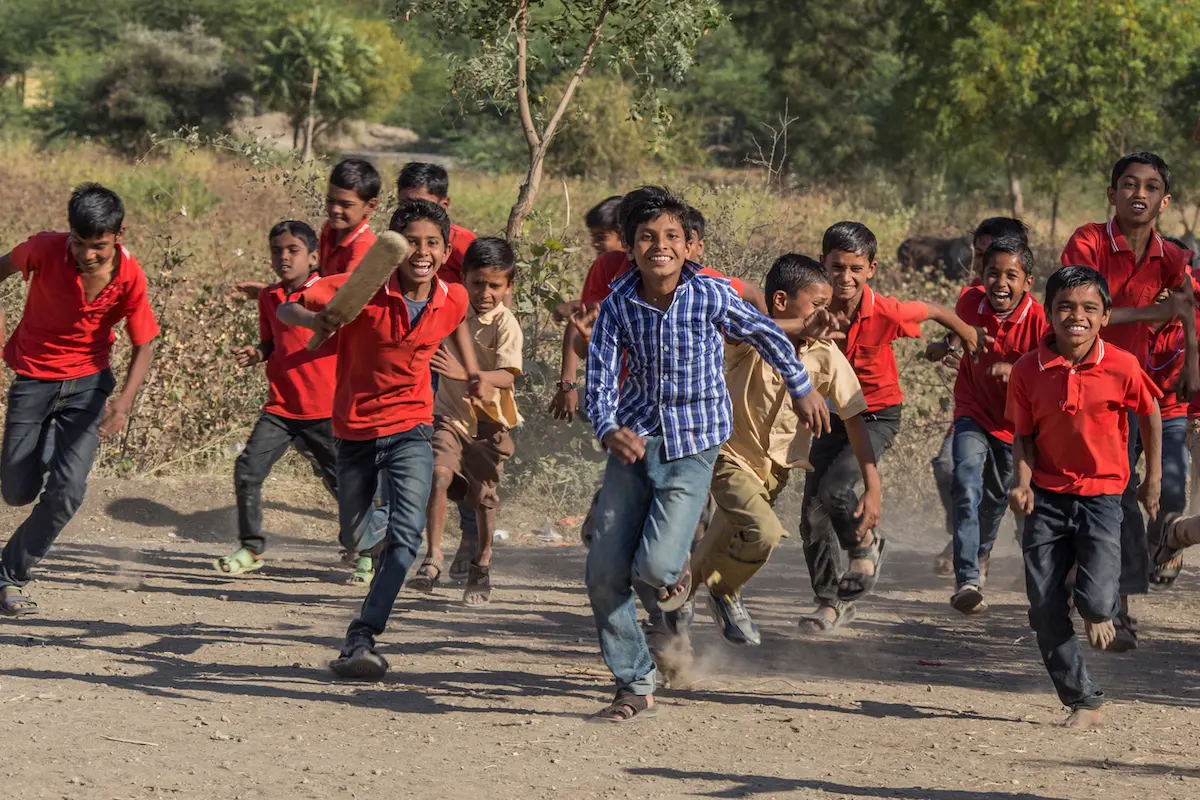
Evidence from dozens of UNICEF Sports for Development (S4D) programs show that physical play serves broader goals for vulnerable children in education, protection, social inclusion and empowerment.
There are many reasons why parents from all countries and cultures might encourage their kids to play sports. And there's a lot of evidence to back them up.
A global study by the UNICEF Office of Research Innocenti, with support from the Barça Foundation, the philanthropic arm of legendary Football Club Barcelona, shows how sport and other kinds of physical activities support kids by helping them reach their full potential, while promoting social and personal growth.
Related: The Power of Sports and Play
6 Ways UNICEF Supports Youth Mental Health

The study, Getting Into The Game: Understanding the Evidence for Child-Focused Sport for Development, makes a strong case for UNICEF and partners to continue investing in sports for children, especially the most vulnerable, concluding that participation in sport helps drive results in core areas related to UNICEF's mission, from education to child protection, social inclusion and empowerment.
The report included evidence drawn from 77 published studies and analyses of over 300 Sports for Development (S4D) programs in 100 countries.

The United Nations has long recognized the broader value of sport and recreational play in advancing human rights and promoting peace and understanding across borders and cultures, while also driving social and economic development. The UN General Assembly has recognized April 6 as the International Day of Sport for Development and Peace since 2013. International Day of Play is June 11.
Getting into the Game, released in 2019, includes recommendations and guidance for how to design and execute sports programs to maximize these many benefits for children. Researchers are studying the recommendations through UNICEF-supported sports programs in Brazil, China, Ghana and South Africa, and in countries affected by conflict or disaster.

Gustavo Suárez Pertierra, Chair of the UNICEF Spanish Committee, noted the importance of overcoming barriers that prevent vulnerable children from enjoying sports in a safe environment. "Sport is not only inspiring, it is also a real tool for inclusion and to guarantee fundamental rights of children, such as the right to play," Pertierra said.
Sport is not only inspiring, it is also a real tool for inclusion and to guarantee fundamental rights of children, such as the right to play.
FC Barcelona's Barça Foundation has been a UNICEF partner since 2006, reaching close to 2 million children with sports, play, education and child protection initiatives. Learn more about how UNICEF partners to advance sustainable impact for children.
HOW TO HELP
There are many ways to make a difference
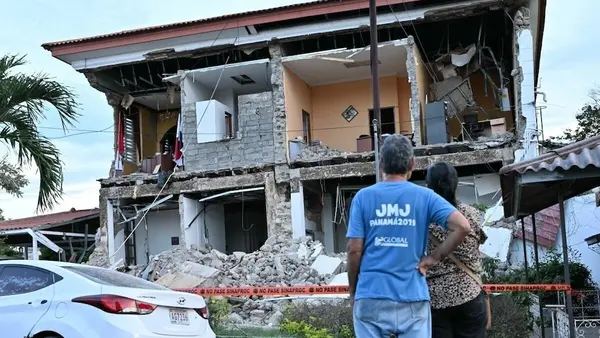
War, famine, poverty, natural disasters — threats to the world's children keep coming. But UNICEF won't stop working to keep children healthy and safe.
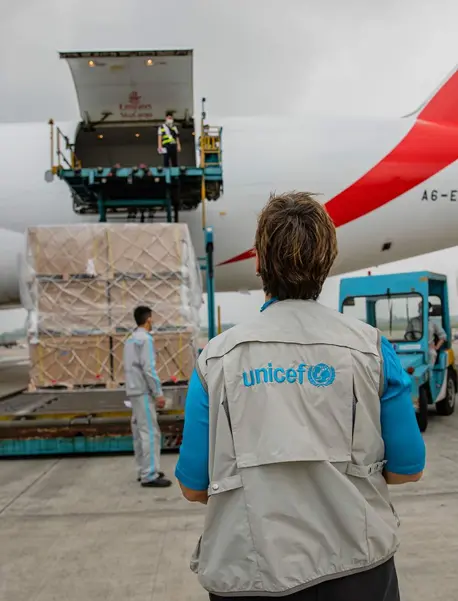
UNICEF works in over 190 countries and territories — more places than any other children's organization. UNICEF has the world's largest humanitarian warehouse and, when disaster strikes, can get supplies almost anywhere within 72 hours. Constantly innovating, always advocating for a better world for children, UNICEF works to ensure that every child can grow up healthy, educated, protected and respected.
Would you like to help give all children the opportunity to reach their full potential? There are many ways to get involved.