5 Tips for Dealing with Uncertainty in Times of War
When conflict or war makes the headlines, it can make you feel fearful, sad, angry, anxious, uncertain and overwhelmed, no matter where you are living. Learning healthy ways to process these emotions can help you stay informed about global events while protecting your mental health. Some tips on how to cope.
This article is adapted from a blog post published by Voices of Youth, a global communication platform created by UNICEF where kids can communicate and collaborate around issues that matter to them.
1. Limit the amount of news you consume
When a conflict or war breaks out, many of us want to learn more by scrolling through social media and reading endless articles. But a constant stream of upsetting images and headlines can increase fear of war and make the situation feel closer than it actually is.
While it is good to stay informed, try to be mindful of how you’re consuming news. Identify key times during the day to check in on what is happening rather than constantly being online. As much as you are able, make some time to do things that help you relax and recuperate. Try not to check in on news/social media before going to sleep and try to take a full hour off before going to bed.
Also: try not to reach for your phone as soon as you wake up. Allow your mind to wake up slowly before checking in on news updates.
2. Learn to recognize misinformation
During times of crisis, inaccurate information and ‘fake news’ can spread quickly. Misinformation works as a powerful machine – produced and distributed online by a wide range of sources, including people deliberately starting false rumors, ‘bots’ (social media accounts programmed by computers) automatically posting misinformation, and ordinary people who unwittingly share fake news with their followers.
When we share things online without checking to see if the information is verified and factual, we help keep misinformation circulating. It is important that you learn how to spot misinformation — false information that’s shared by people who don’t realize it is false and don’t mean any harm; and disinformation — deliberately engineered and disseminated false information with malicious intent or a rumor.
Before you share online, ask yourself the following questions: Who made this piece of content? What is the source? Where did it come from? Why is it being shared? When was it published?
Learn more about how to fight misinformation
3. Spread compassion, not stigma
Conflict often brings with it prejudice and discrimination, whether against a people or country. Try to avoid labels like “bad people” or “evil” and instead use it as an opportunity to encourage compassion.
Even if a conflict is happening in a distant country, it can fuel discrimination on your doorstep. If you witness a friend or family member saying racist or discriminatory things, you should talk to them, if you feel safe to do so. Approach them privately first – in person or via direct message — as they are more likely to be receptive if they don’t feel publicly embarrassed.
Point out to them that what they are saying is racist or discriminatory and remind them that everyone has the right to dignity and that in many countries it is against the law to discriminate against a person because of the color of their skin, their ethnicity, migration status, religion, gender, nationality or sexual orientation. Encourage them to learn more about the historical context of racial prejudice and discrimination and share resources that you have found helpful.
Learn more about dealing with racism and discrimination
4. Take care of your mental health
Understanding how you feel is important. Don’t ignore it. It's normal to have fear of uncertainty.
As news of the conflict continues, you should check in with yourself. Do you feel worried, anxious, angry or sad about what’s happening? Are you seeing any changes in your behavior like irritability, tearfulness or having headaches, stomachaches, nightmares or difficulty sleeping?
To support your mental health, you can...
- do breathing exercises — take five deep breaths — 5 seconds breathing in, 5 seconds breathing out — breathing in through your nose and out through your mouth
- put it on paper — writing your feelings down can help you to describe them (“Right now I feel ...”)
- be kind to yourself — putting pressure on yourself to always ‘be happy’ or ‘stay productive’ can sometimes make you feel worse; instead, if you notice you are experiencing difficult emotions, try telling yourself, 'I feel worried and scared, but that does not mean I am not coping' or 'It’s been a tough time, it’s okay to be upset'
- talk to someone you trust — it isn’t always easy to manage anger, worry, or sadness by yourself; connect with a friend, parent, teacher or other trusted adult about how you are feeling and they may be able to help you, you might feel better
- move your body — physical activity is important to help process feelings; try to get outside for a walk, dance to your favorite song, play a sports game with friends or engage in another form of physical activity, which can help with strong emotions and may also help you sleep better
Related: Tips for dealing with your mental health
5. Find out how you can help
See if any local organizations in your area are doing fundraising, advocacy or solidarity actions that you can get involved with. Do some research online first and always remember to tell a guardian/parent where you are going (if you are under 18 and attending in person) or try to go with a friend (if you are over 18).
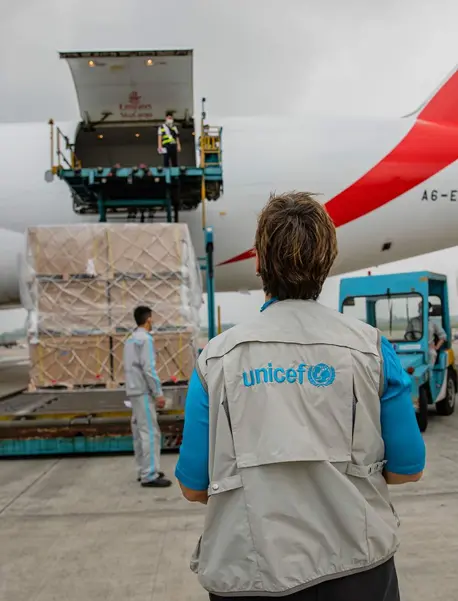
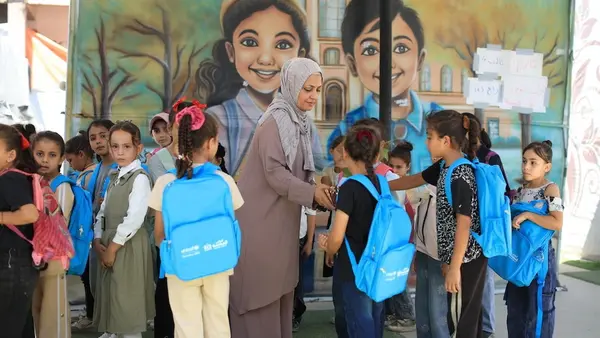
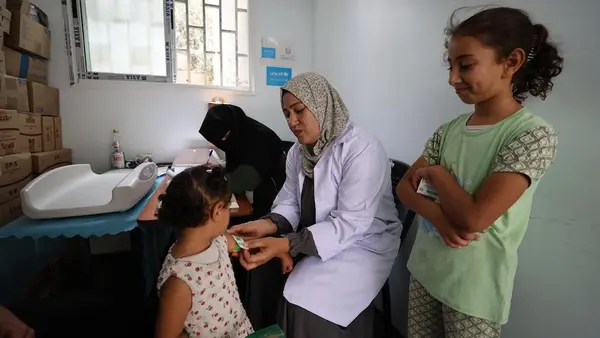
You can also learn more about how humanitarian organizations support children affected by conflict around the world. UNICEF works to deliver lifesaving aid, protection and education to children impacted by war and crisis.
Learn how UNICEF is supporting children caught in Middle East conflict
Another resource is Voices of Youth, a global community that aims to help young people become global citizens, by providing a space in which to effectively communicate and collaborate on important issues and make a positive difference in their countries and communities.
While VOY is an initiative that was built and maintained by UNICEF, it is intended to serve as a platform not for UNICEF's programming but as a place for youth to express their opinions on development issues that matter to them.
For more advice on taking care of yourself in stressful times, visit voicesofyouth.org
Frequently asked questions about dealing with uncertainty during war
What are some ways you can cope during uncertainty around war and crisis?
Here are some ways to cope during uncertain times.
- take breaks from social media and news
- practice breathing exercises
- write down thoughts and emotions
- spend time with supportive friends or family
- stay physically active
These strategies can help protect your mental health and reduce feelings of overwhelm.
Why do I have anxiety about war even if I’m not directly affected?
Many people experience anxiety about war because news coverage, images and social media posts can make global events feel personal and immediate. This emotional response is natural. Practicing healthy coping strategies, limiting news consumption and talking with someone you trust can help manage these feelings.
How can young people help during times of war?
Young people can help by learning about global issues, sharing verified information and supporting humanitarian efforts. You can also participate in community activities, advocacy campaigns or fundraising initiatives that support people affected by conflict.
How can I talk to children about war or conflict?
Talking to children about war can be difficult, especially when they are exposed to upsetting news or social media. Experts recommend listening to children’s concerns, answering questions honestly and reassuring them about their safety.
For guidance on how to approach these conversations, read our related article, How to Talk to Your Children About Conflict and War
HOW TO HELP
There are many ways to make a difference
War, famine, poverty, natural disasters — threats to the world's children keep coming. But UNICEF won't stop working to keep children healthy and safe.
UNICEF works in over 190 countries and territories — more places than any other children's organization. UNICEF has the world's largest humanitarian warehouse and, when disaster strikes, can get supplies almost anywhere within 72 hours. Constantly innovating, always advocating for a better world for children, UNICEF works to ensure that every child can grow up healthy, educated, protected and respected.
Would you like to help give all children the opportunity to reach their full potential? There are many ways to get involved.