The Church of Jesus Christ of Latter-day Saints
Partner since 2013
Since 2013, The Church of Jesus Christ of Latter-day Saints and UNICEF have worked together to provide health and nutrition services, emergency response and early childhood education for millions of the world’s most vulnerable children and their families to ensure they are able to survive and thrive.
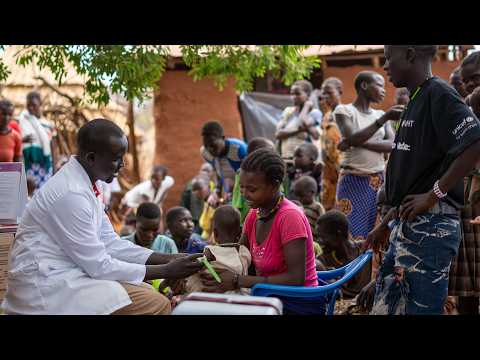
Supporting child nutrition
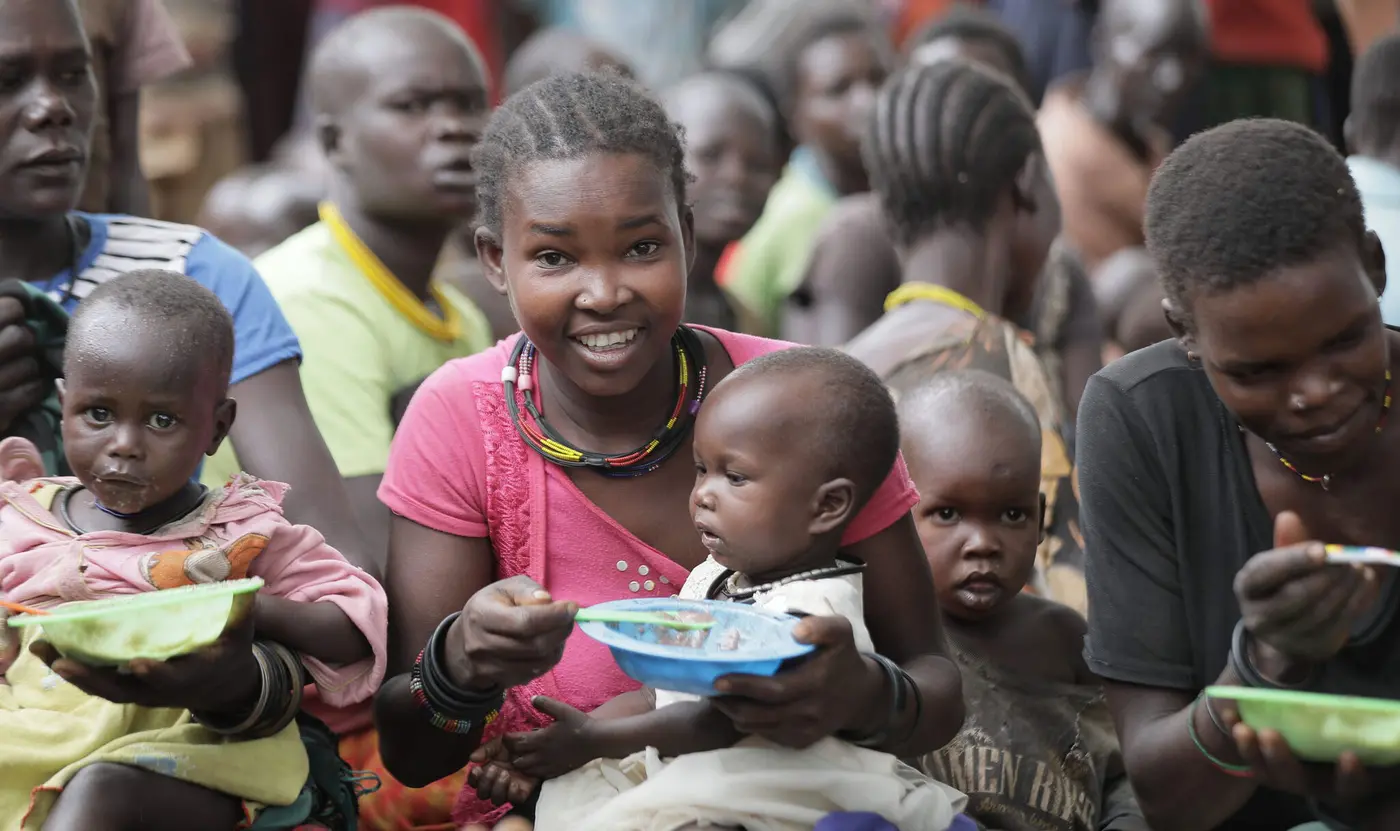
In May 2026, the Church committed $25 million towards the Child Nutrition Fund (CNF) — a contribution that will unlock an additional $25 million through the CNF Match Challenge, announced at the Nutrition for Growth Summit on March 20. The combined $50 million will strengthen the CNF’s efforts to reach 320 million children and women annually with nutrition programs across high-burden countries, by 2030.
The Church’s support will drive both immediate impact and long-term systemic change by delivering tailored nutrition interventions in high-burden countries, expanding access to prevention and treatment during the critical first 1,000 days of life and reaching the most vulnerable through strengthened health systems and community platforms.
At the same time, the contribution will catalyze government ownership and accountability by incentivizing domestic investment and enabling countries to lead and sustain multi-year nutrition strategies. Together, these efforts will reduce fragmentation, improve efficiency and equity in service delivery and build more resilient, sustainable systems.
This contribution builds on the Church’s earlier $5 million commitment made in September 2022 to No Time to Waste, UNICEF's global initiative to address childhood malnutrition and help meet Sustainable Development Goal targets on child wasting.
Strengthening health systems
In August 2023, the Church committed $10 million to UNICEF to support health system strengthening in the Central African Republic (CAR), Haiti, Mali and Mozambique.
This works allows UNICEF and the Church to build on the results of the Church’s $20 million commitment to the COVID-19 response — a partnership that allowed UNICEF to scale up efforts to strengthen cold and supply chains, train health workers and build trust in vaccines.
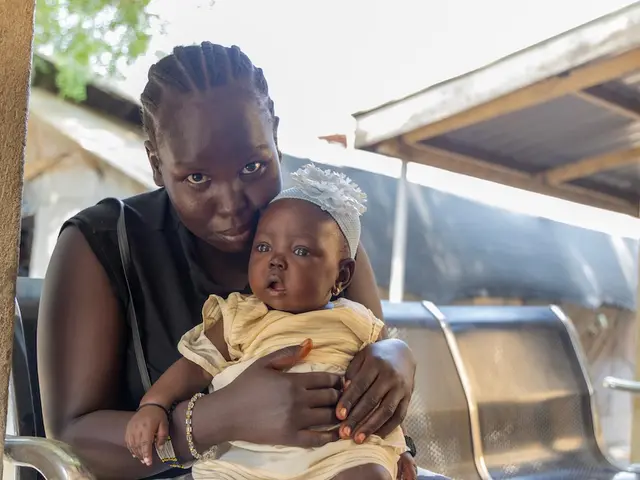
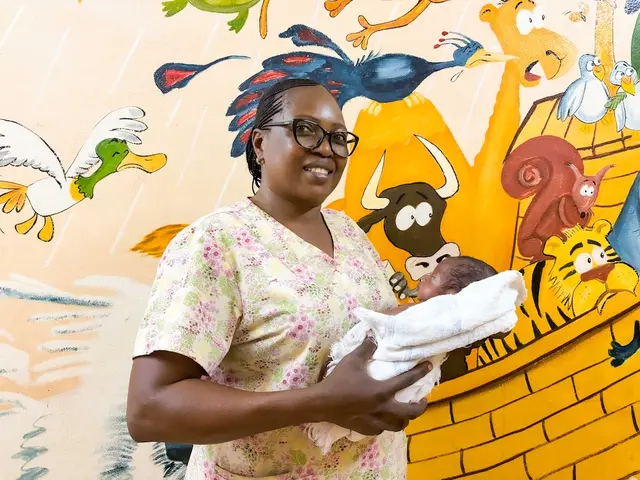
Thanks to the generous support of the Church, UNICEF significantly strengthened access to quality maternal and newborn health services across CAR, Haiti, Mali and Mozambique. A total of 925 health workers were trained, and 181 health facilities were upgraded, which enabled comprehensive care for 114,279 newborns and 159,933 pregnant women. Going forward, improved health care systems are estimated to benefit more than 4.8 million people.
Together, these programs will provide mothers, children and communities with access to better, more resilient health care services.
Long-term immunization and education programs for children
Since 2014, the Church has supported UNICEF and partner efforts as part of the Global Maternal and Neonatal Tetanus Elimination (MNTE) initiative, which provides vaccines to women of reproductive age, health education and birth attendant training. Most recently, through a successful vaccination campaign, both South Sudan and Sudan eliminated MNT, a significant public health milestone. The initiative has helped eliminate MNT in all but 8 of 59 priority countries.
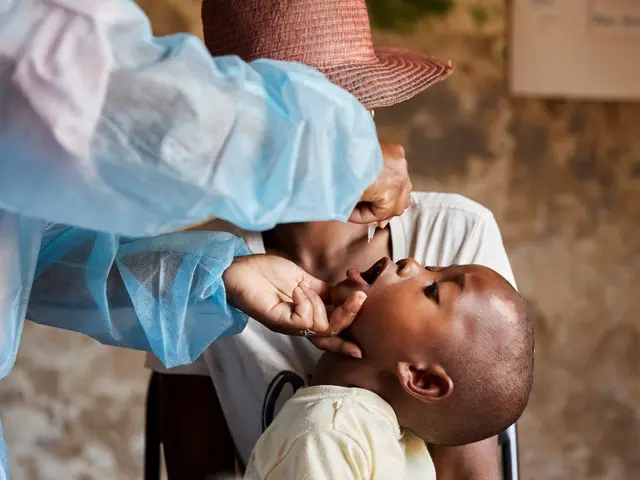
Through combined funding and expertise, the partnership has tackled polio and measles by helping countries develop routine immunization services and prevent and suppress disease outbreaks across Africa and Asia.
UNICEF and the Church have collaborated on several education initiatives combining early childhood development, learning recovery, and alternative pathways for vulnerable children. Through the flagship Learning for Life program, the collaboration has supported safe early learning spaces, catch-up programs for out-of-school children, teacher training and community-based education with psychosocial support. From 2018 until it closed in 2024, the program reached more than 120,000 children with early education, helped over 8,000 out-of-school children return to learning, trained around 3,000 educators and engaged 60,000 parents and caregivers.
In Sri Lanka, for example, Church-supported UNICEF programs reached over 170,000 children and nearly 10,000 teachers in disadvantaged primary schools. Approximately 65 percent of students exhibited improved learning outcomes and 30 percent achieved grade-level proficiency.
Currently, programs in Sri Lanka, the Philippines, South Sudan, Uganda, Tanzania, Angola, among other countries, continue to expand inclusive, resilient education systems for children affected by poverty, displacement, and crisis.
Supporting emergency response
The Church supports UNICEF’s humanitarian action for children in the wake of natural disasters, civil unrest, food insecurity and protracted crises. UNICEF has received emergency funding from the Church to provide critical programs in education, health, nutrition and water, sanitization and hygiene services (WASH) in over 45 countries, including Bangladesh, the CAR, Chad the Democratic Republic of Congo, Haiti, Jordan, Lebanon, Myanmar, Mozambique, Nigeria, Pakistan, Sudan, Syria, Venezuela and Yemen.
UNICEF does not endorse any brand, company, organization, product or service.