Play Can't Wait
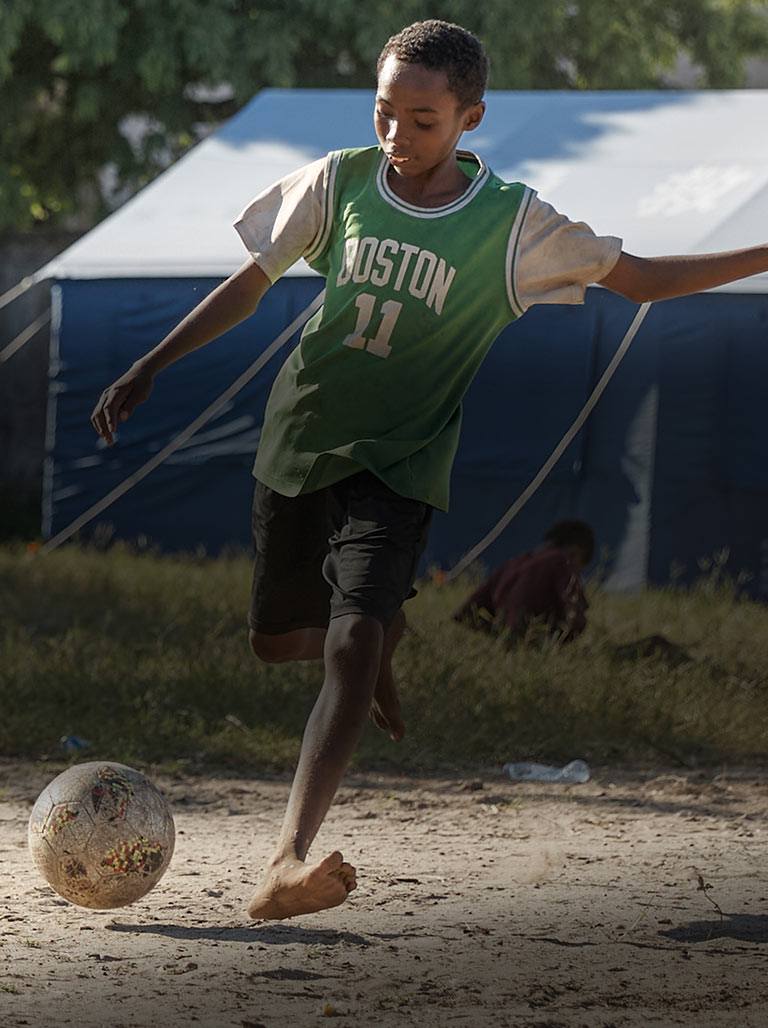
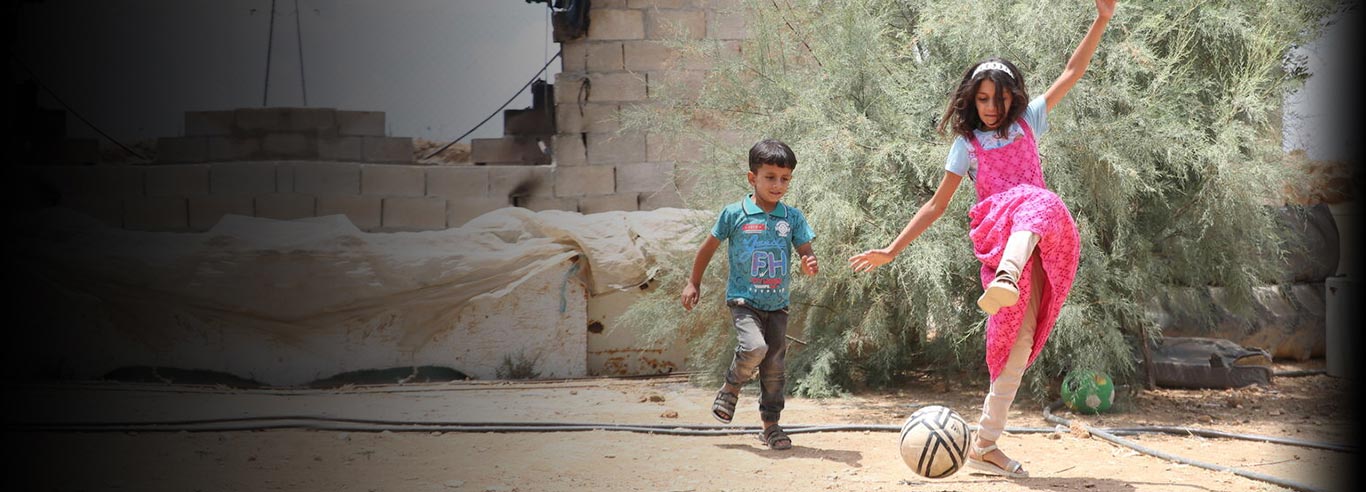
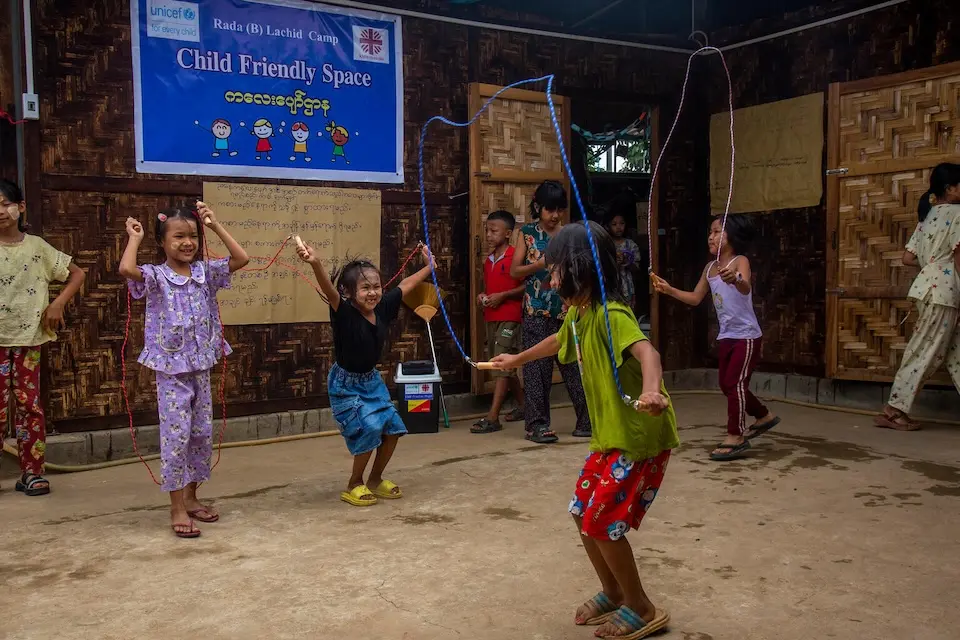
Water. Shelter. Food. Play. For children in crisis, play is how they heal, connect and feel whole again. That’s why UNICEF delivers it as essential aid.
Why Play Matters
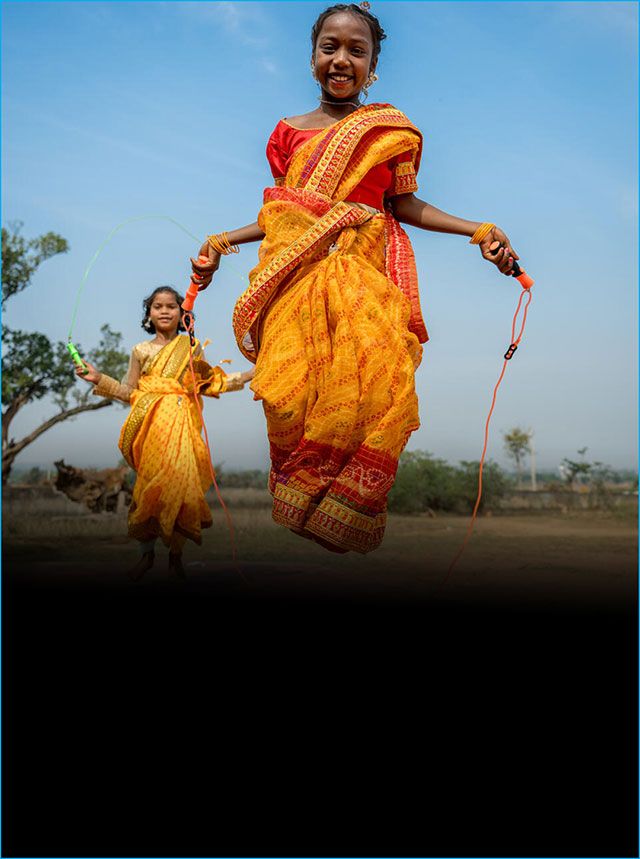
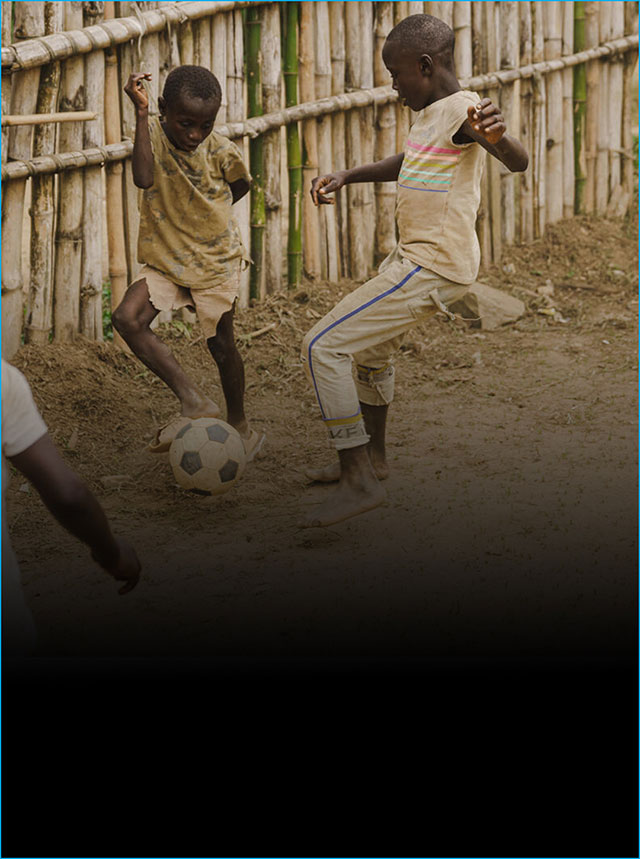
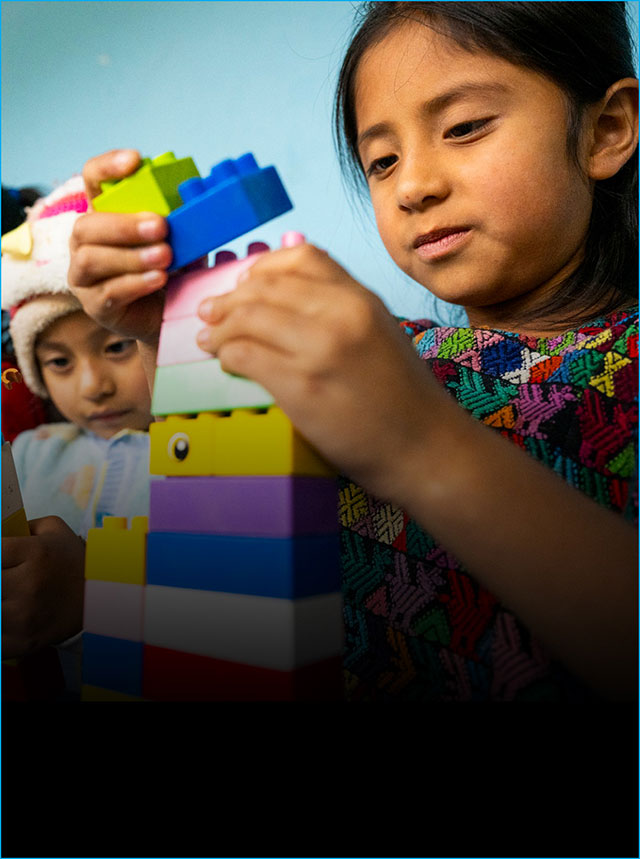
When children play, they learn. They build connections. They stay physically and emotionally healthy. Play is so essential to a child’s development that UNICEF provides it with the same urgency we give to safe water, vaccines and other aid. Here’s what play delivers.
Make a Difference: Give Play Today
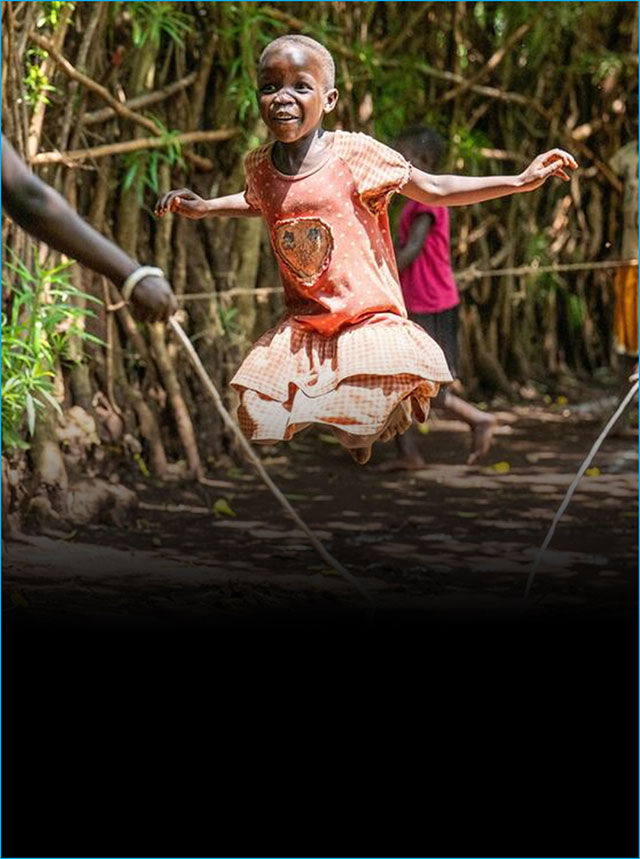
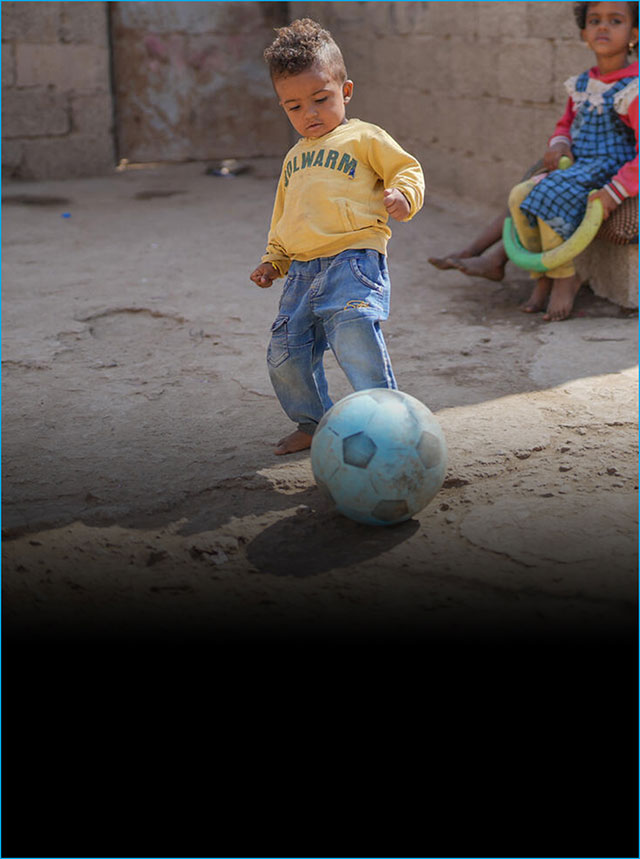
Help UNICEF send the books, games, balls and other recreation items that children need to keep playing and learning around the globe.
Stay Connected
Sign up to hear about developing challenges for children worldwide — and how UNICEF is delivering help and hope.
Our supporters are the backbone of UNICEF’s work in more than 150 countries. Sign up to learn more about developing challenges for children in places like Gaza, Sudan and Ukraine — and how UNICEF is delivering essentials like safe water, education, medicine and play.
FAQ's
What is the International Day of Play?
The International Day of Play is a global moment to celebrate the power of play and protect every child’s right to play. For UNICEF, it is also a chance to show how play-based learning, safe spaces and everyday moments of joy help children grow, heal and thrive.
When is the International Day of Play?
The International Day of Play takes place each year on June 11 and reminds families, communities and supporters that every child deserves safe, inclusive opportunities to learn, connect and simply be a child.
What is the theme of the International Day of Play 2026?
The theme for International Day of Play 2026 is “Protect play, protect childhood.” The theme reinforces a simple idea at the heart of UNICEF’s work: when children have safe places to play, they are better supported in childhood and beyond.
Why is play important for children?
Play is important for children because it supports healthy development, social connection, resilience and problem-solving. During times of crisis, the normalcy and connection to other children that play provides can help restore a sense of safety.
How does play help social development?
Through play, children practice sharing, listening, leading, solving problems and building trust with others. These facets of play in early childhood can help children form healthy relationships and navigate challenges at home, in school or after disruption.
What type of play is best for children?
The best play is safe, inclusive and responsive to a child’s age, abilities and interests. UNICEF supports play and play-based learning through structured lessons as well as through free play, storytelling, music, movement, games and creative expression — all designed to help children build confidence and connection.
What are five types of play in child development?
Five helpful types of play include physical play, creative play, social play, imaginative play and play-based learning. Each supports a different part of childhood development, from movement and communication to emotional expression, problem-solving and cooperation.