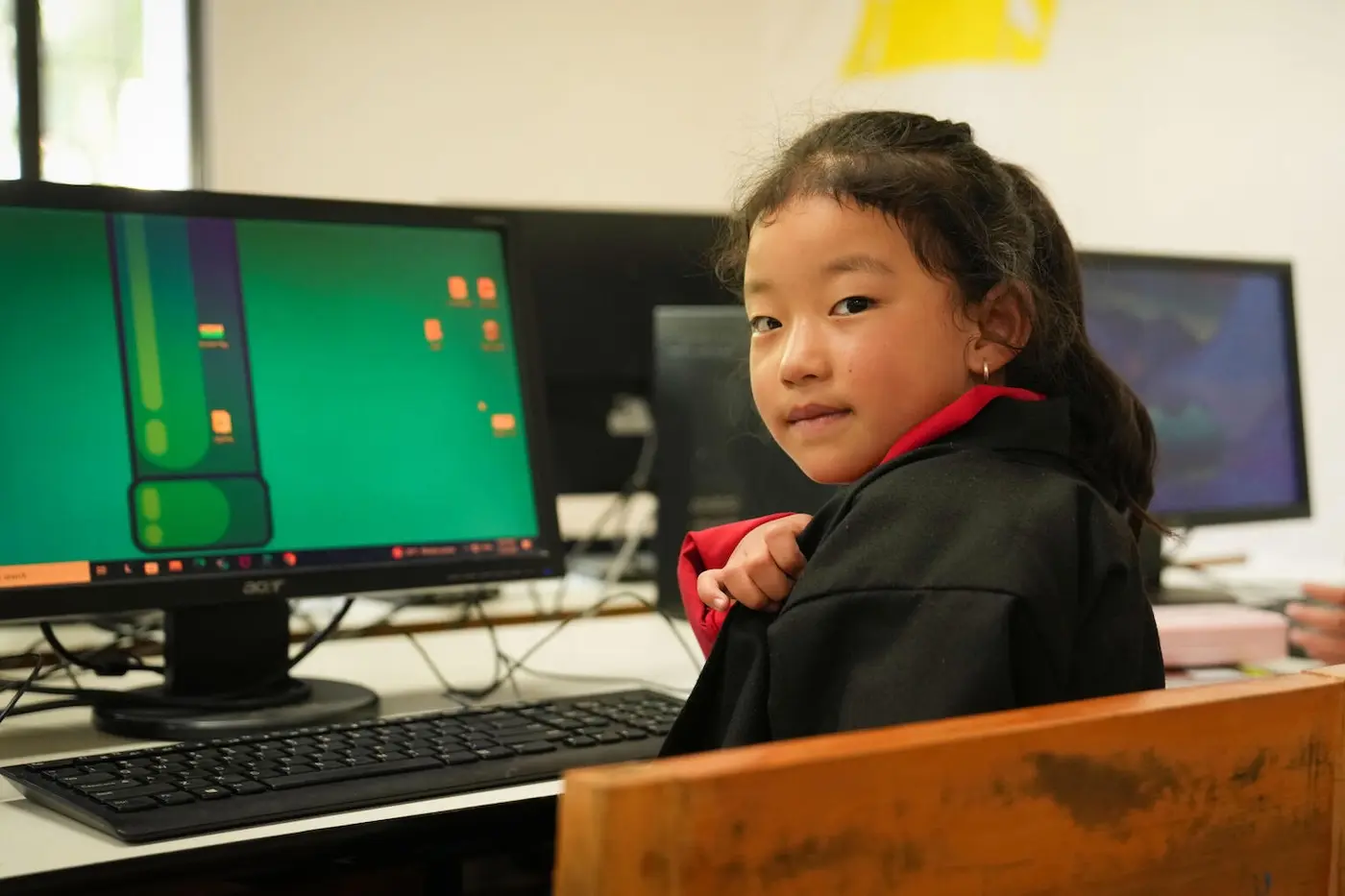
World Youth Skills Day: Building Brighter Futures
Highlights
- World Youth Skills Day, observed annually on July 15, highlights the importance of equipping young people with the skills they need to succeed in school, work and life.
- Digital, life and leadership skills — including AI literacy, critical thinking, communication and problem solving — are essential for helping youth thrive in a rapidly changing world.
- Millions of children face barriers to developing these skills due to poverty, conflict, displacement, gender inequality and limited access to education and technology.
- UNICEF works with partners worldwide to expand access to skills-building programs, helping young people transition from education to employment and build brighter futures.
- The 2026 World Youth Skills Day theme, "Skills for a Shared Future," emphasizes combining technical, digital, green and social-emotional skills to prepare young people for an inclusive and sustainable future.
World Youth Skills Day is a global reminder of the importance of digital, social, emotional, vocational and leadership training to support lifelong learning and opportunity. Learn how UNICEF works with partners worldwide to expand access to youth skills building programs.
What is World Youth Skills Day?
World Youth Skills Day is an annual global observance on July 15 that highlights the importance of helping young people build the knowledge, confidence and practical abilities they need for their futures.
Established by the United Nations General Assembly in November 2014, World Youth Skills Day aims to spotlight the strategic value of equipping young people with skills for employment, decent work, entrepreneurship and lifelong learning. Education and training are a core part of the Sustainable Development Goals for 2030, which include SDG 4: to ensure inclusive and equitable quality education and promote lifelong learning opportunities for all.
With the rapid rise of artificial intelligence (AI) and automation, there is a broad and urgent need for children and adolescents to acquire 21st-century skills beyond traditional academics: digital literacy, adaptability, critical thinking, problem solving, communication and other future-ready competencies.
Related: Youth learn skills to thrive in today's world with UNICEF's help
Why youth skills matter for children and adolescents
Having access to the right skills as a child can mean the difference between thriving and simply surviving. Youth skills for children and adolescents help bridge the gap between education and real-world opportunity.
Life skills for youth support confidence, decision-making, communication, teamwork, resilience and problem solving — all essential skills for adult life. These development skills are part of a whole-child approach to learning, focusing on more than just job preparation.
Youth skills are especially important for young people facing challenges like poverty, displacement, gender inequality, disability or limited access to education.
UNICEF works globally, especially in the hardest-to-reach places, to help young people build practical skills to help them succeed in school, work and life.
Learn about UNICEF-supported youth skills programs
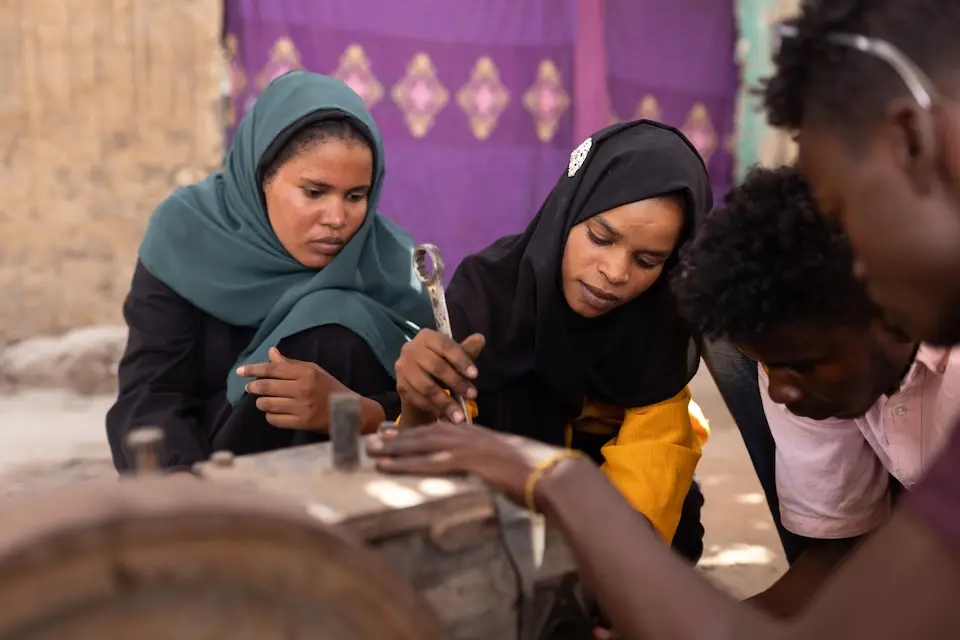
Digital skills are essential youth skills
As digital technology rapidly transforms the way people work, digital skills are more important than ever — yet many children are being left behind.
Globally, roughly two-thirds of school-aged children lack home internet access, creating a large barrier to developing digital skills. Some children — especially rural and lower-income communities — also deal with a lack of electricity and affordable devices, insufficient teacher training, gender disparities and safety concerns.
Digital literacy is essential in our current world, helping young people access education, information, services and future employment opportunities. Youth need to be able to understand, use and adapt to new technologies like AI (and whatever comes next) to be able to keep up in an ever-changing digital landscape.
UNICEF and partners work to close the digital skills gap and create scalable, forward-thinking solutions that fast-track young people’s access to opportunity and build a brighter future for the next generation.
Life skills, leadership skills and future-ready learning
Beyond digital skills, there are many other transferable skills that children and adolescents need for future success.
Often called life skills, they help reinforce literacy and numeracy and help build confidence and gain the know-how necessary to enter the workforce or start a business. Leadership skills help build confidence kids need to advocate for themselves, support peers and become active members of their communities.
In many parts of the world, girls and young women often lack opportunities to learn and build these essential skills. In fact, more than 28 percent — nearly 1 in 3 — young women are not in employment, education or training, compared to roughly 13 percent of young men.
UNICEF is a major supporter of Skills4Girls, a global initiative with a broad portfolio of programs spanning many countries. The programs focus on training girls in competencies that position them to participate equally and to successfully transition to employment.
Building pathways from education to employment
Whether young people are looking to continue their education, move from school into the workforce or launch an entrepreneurship, youth skills are the key to success.
However, skills-building is not a one-size-fits-all approach. Children and adolescents need access to locally relevant pathways that reflect the realities that they’re living in. Some examples may include vocational training, technical education, mentorship or partnerships within their communities, or with schools or local employers.
Donors and partners play an important role in providing resources that help fund skills-building programs like Skills4Girls and trainings that open up more of these pathways for more children.
Youth skills are especially important during crises
Conflict, displacement, climate-related disasters and poverty are all examples of obstacles that can interrupt education and delay skills development for children around the world.
In the face of these disruptions, safe learning spaces, psychosocial support and continued education lessons can help children regain stability and confidence. Life skills like emotional resilience, communication and problem solving are especially essential for youth caught in crises.
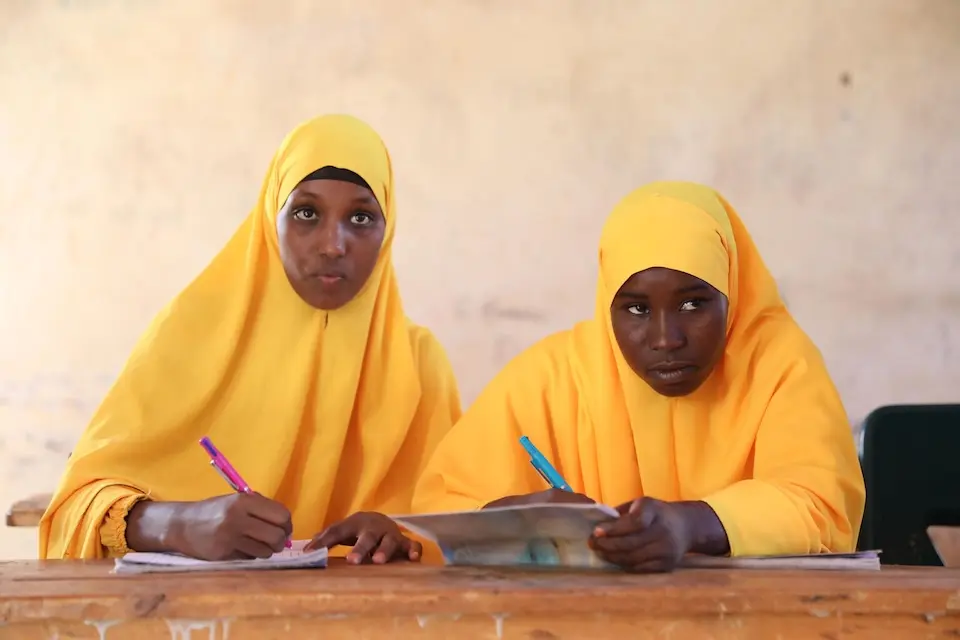
World Youth Skills Day 2026
The theme for World Youth Skills Day 2026 theme — “Skills for a Shared Future” — highlights the need for a balanced approach that combines technical, digital, AI, green, and social-emotional skills to help kids navigate the rapidly-transforming world of work, and equip young people with the future-ready competencies they need to foster inclusive, peaceful and sustainable societies.
Sustained investment in youth skills building is key to achieving long-term community resilience. When one child is able to grow up and thrive, the thinking goes, their success helps elevate those around them — friends, family, their community and society as a whole.
Learn more about World Youth Skills Day 2026
Help young people build brighter futures
While World Youth Skills Day brings these invaluable skills into the public eye each July 15, the reminder to invest in young people should be observed year-round. Children and adolescents need digital skills, life skills, leadership skills and practical training to successfully navigate an ever-changing world.
Supporting UNICEF can help expand access to skills building and other learning opportunities for children and adolescents worldwide.
Frequently asked questions about World Youth Skills Day
When is World Youth Skills Day?
World Youth Skills Day is celebrated annually on July 15. The day raises awareness of the importance of helping young people build skills for employment, decent work and entrepreneurship.
What are youth skills?
Youth skills are practical, social, emotional, digital and vocational abilities that help young people succeed in school, work and life. Some of the skills include communication, digital literacy, leadership, problem solving and technical training.
Why are digital skills for youth important?
Digital skills help children and adolescents access education, information, services and job opportunities. Youth digital literacy is becoming more important as technology and AI shape the global economy.
HOW TO HELP
There are many ways to make a difference
War, famine, poverty, natural disasters — threats to the world's children keep coming. But UNICEF won't stop working to keep children healthy and safe.
UNICEF works in over 190 countries and territories — more places than any other children's organization. UNICEF has the world's largest humanitarian warehouse and, when disaster strikes, can get supplies almost anywhere within 72 hours. Constantly innovating, always advocating for a better world for children, UNICEF works to ensure that every child can grow up healthy, educated, protected and respected.
Would you like to help give all children the opportunity to reach their full potential? There are many ways to get involved.