Parenting: How to Keep Kids Safe From Wildfires
Highlights
- Wildfires are increasing and exposure to wildfire smoke poses serious health risks, especially to children.
- Preparation and quick action can mitigate these risks.
- Recovery includes physical and emotional support.
Guidance for parents and caregivers, including the dangers of exposure to wildfire smoke and how to protect the family.
For more tips, check out UNICEF USA's Parenting Resource Hub
Wildfire facts and safety tips
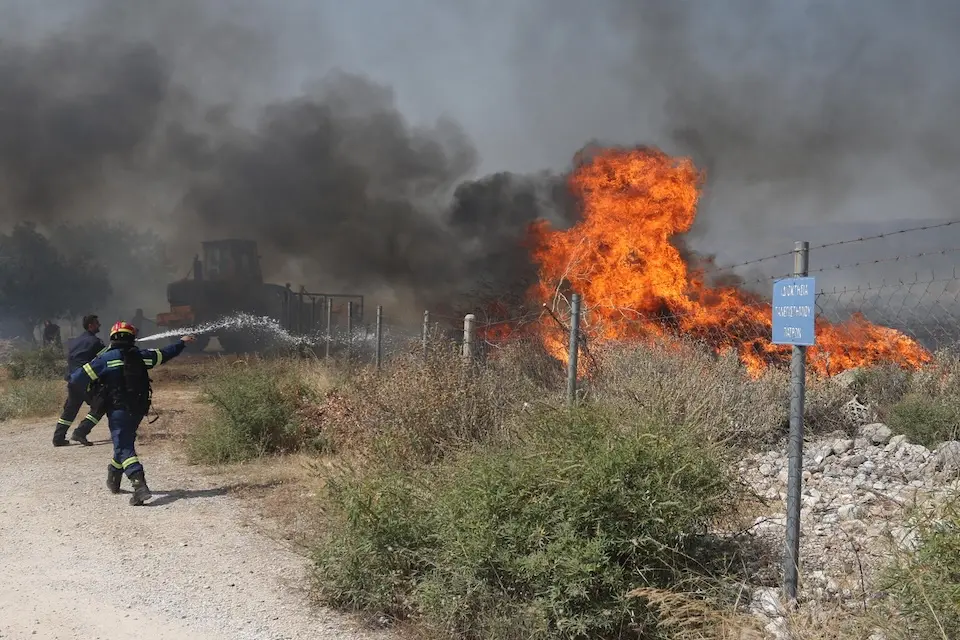
Wildfires are becoming increasingly common around the world. Rising global temperatures are causing hotter and drier environments that create ideal conditions for these deadly and destructive fires.
Wildfires pose an immediate risk to anything in their path, while the smoke from wildfires presents a far-reaching and long-lasting risk, particularly to children.
As wildfires grow in size and frequency — and because of the smoke’s ability to travel long distances — it’s important that parents and caregivers learn how to protect children from the harmful effects of wildfire smoke.
Here are the answers to some frequently asked questions about wildfires.
What is a wildfire?
Wildfires are free-burning vegetation fires that are unplanned and uncontrolled.
What causes a wildfire?
The vast majority of wildfires are started by human activity: a campfire left unattended, a carelessly discarded cigarette, equipment sparks, burning debris.
Natural causes also play a role. Lightning can ignite wildfires, while heat waves, drought, low humidity and strong winds create conditions that make wildfires more likely to start and spread quickly.
How do wildfires affect us?
Wildfire smoke has been linked to respiratory illnesses like asthma, heart disease, brain and nervous system disorders, mental health conditions and cancer.
Wildfire smoke exposure is particularly harmful for pregnant women and their unborn babies, heightening risks of gestational diabetes, hypertension, premature birth, low birth weight and stillbirth.
For infants and young children, exposure to wildfire smoke can lead to respiratory illness, metabolic issues and cognitive dysfunction.
Beyond the immediate health concerns, there are broader impacts. A wildfire emergency can lead to injury, disability, trauma, learning loss and even displacement.
Why are children at higher risk?
Children's developing immune systems, brains and lungs make them especially vulnerable to the harmful effects of wildfire smoke. Exposure to wildfire smoke increases a child's risk of developing asthma or another respiratory disease. It can weaken their immune system, leaving them more susceptible to illness and making it harder for them to recover after falling sick. It can also lead to lower brain function.
What are the wildfire risks for adolescents?
Adolescents are still developing mentally and physically and also tend to be more active than adults, so they are also at higher risk of asthma and other respiratory diseases, as well as metabolic disorders and high blood pressure (hypertension). Exposure to wildfire smoke can also adversely affect their mental health.
What are the signs and symptoms of wildfire smoke exposure in children?
Children who breathe in wildfire smoke may experience a wide range of symptoms. Physical symptoms include:
- chest pain and tightness
- trouble breathing
- wheezing
- coughing
- burning or irritation in the nose, throat and eyes
- dizziness
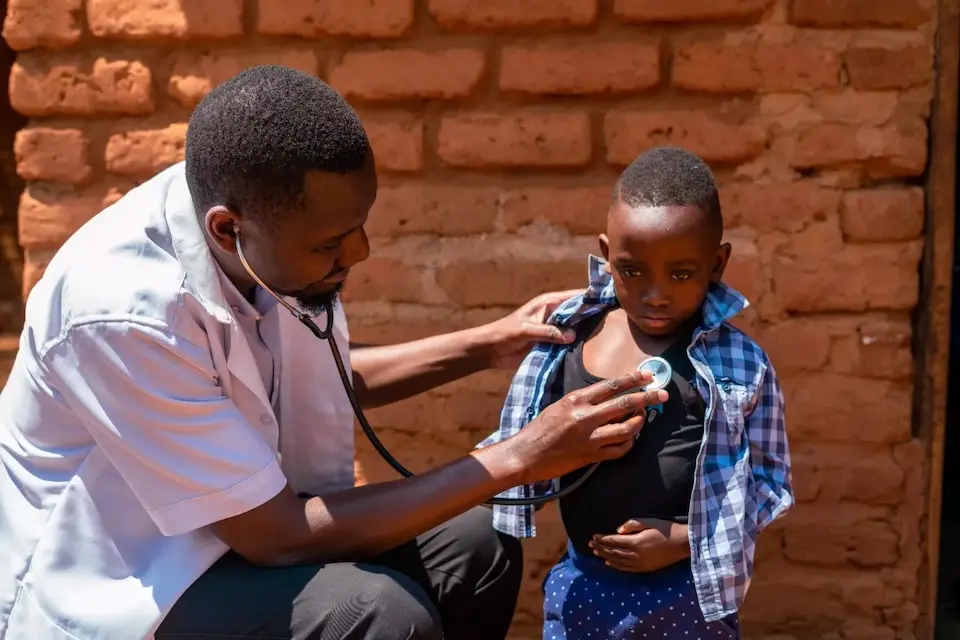
If your child is experiencing breathing problems, is unable to sleep or is experiencing noticeable health problems, seek medical attention immediately.
Wildfire smoke is more toxic than everyday air pollution. The fine particulate matter released by wildfires — known as PM2.5 — can penetrate deeply into a child's lungs, causing both immediate and long-term harm.
How can I prepare for a wildfire emergency?
There are several things you can do to prepare for a wildfire emergency that will mitigate risks and help keep your family safe:
- Make an emergency evacuation plan and regularly review that plan with family members.
- Identify safe shelters nearby or in neighboring areas
- Prepare children by ensuring they have your contact information — and advising them what to do if you become separated.
- Check with your child's school — learn what the school's plan is in case of a wildfire.
- Pay attention to local weather and air quality news reports and public health advisories.
- Know the symptoms of smoke inhalation so you can act fast if your child needs medical help.
- Create a portable emergency kit or "go bag" that includes non-perishable food, medicine, cash, a first aid kit, fire extinguisher, N95/KN95 masks in multiple sizes, flashlights, a radio, batteries and bottled water for several days. You may also want to include copies of important documents like birth certificates and house deeds.
- If you live in a vulnerable area, create a fire-resistant zone of at least 32 ft. (10 m) all around your home that is free of leaves, debris and flammable material.
- Explain to children in age-appropriate terms what wildfires are and assure them you will do everything you can to keep them safe.
What should I do during a wildfire?
If a wildfire occurs in your area, evacuate your home immediately if authorities advise you to do so or if your home is at risk. Physically relocate family members to reduce exposure to wildfire smoke.
Keep children indoors with doors and windows closed. If you're using air conditioning, turn off the AC's fresh air intake setting to keep outdoor smoke from coming in. Use a portable air purifier.
Limit physical activity and drink water to stay hydrated.
Mask up
If your child must go outdoors, consider using a N95/KN95 mask for protection. These masks are often not designed for children, but those aged 7 and older may be able to wear small or extra small adult-sized masks. Children should not wear a mask if it causes breathing difficulty or if they are not able to remove the mask on their own.
It's a good idea to limit exposure to other sources of air pollution during and immediately after a wildfire event by avoiding the following:
- Smoking
- Using gas, propane or wood-burning stoves or fireplaces
- Burning candles
- Using ozone-generating air cleaners
- Using natural gas- or gasoline-powered generators indoors
- Using spray cans
- Frying or broiling food
- Using the vacuum
- Burning waste
Even in the absence of wildfires, air pollution around the home can significantly affect a child’s health.
What should I do after a wildfire?
Don't let children do any clean-up work. Remove ash and debris before they return home.
If a child is showing signs or symptoms of wildfire smoke exposure, take them to a health facility immediately. Pay close attention to any physical symptoms — as well as emotional reactions in the months following.
Children may not be able to express themselves after experiencing a traumatic event. Be patient, listen and offer support and comfort.
Tips for supporting and comforting a child after a wildfire disaster
Start the conversation and keep it open: Make sure you provide your child with opportunities to talk about the wildfire and encourage them to share any worries or feelings of fear or anxiety. Show them that you are listening carefully and care deeply about how they are feeling. Limit their exposure to any distressing media coverage.
Provide reassurance: Explain to your child how the wildfire occurred and that its aftermath is not permanent. Give reassuring affection (extra hugs!) and spend some time together.
Watch for signs of emotional distress: For some children, signs and symptoms of trauma are delayed, or intensify over time. If you see signs that a child is having panic attacks or wishes to harm themselves or others, reach out to your family doctor or mental health professional immediately.
Practice calming exercises together: Deep belly breathing is very helpful and is something you can do together with older children. If you have a younger child, you could make it into a game: Every hour on the hour, see how you can calm your mind and body down by slowing down your breath.
Reestablish a routine: Though it can be difficult, going to bed or eating at the same time will help your child to feel a bit more connected to life before the wildfire.
This story is adapted from an article previously published by unicef.org
HOW TO HELP
There are many ways to make a difference
War, famine, poverty, natural disasters — threats to the world's children keep coming. But UNICEF won't stop working to keep children healthy and safe.
UNICEF works in over 190 countries and territories — more places than any other children's organization. UNICEF has the world's largest humanitarian warehouse and, when disaster strikes, can get supplies almost anywhere within 72 hours. Constantly innovating, always advocating for a better world for children, UNICEF works to ensure that every child can grow up healthy, educated, protected and respected.
Would you like to help give all children the opportunity to reach their full potential? There are many ways to get involved.