Climate-Related School Disruptions
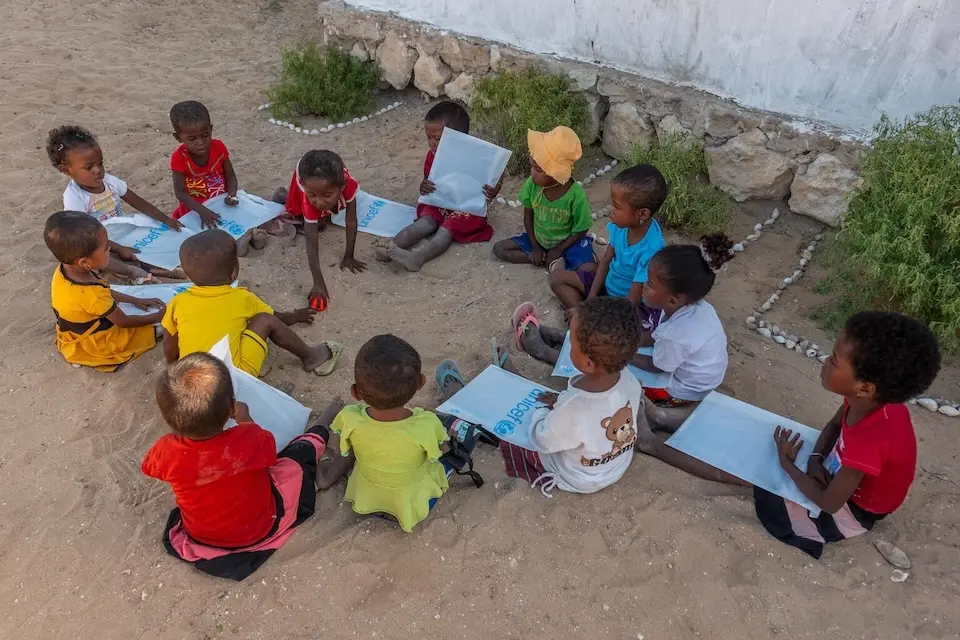
Storms, floods, heat waves and other climate-driven events disrupted education for 171 million students (1 in 10) globally in 2025, according to a UNICEF analysis.
Climate shocks are shutting classroom doors around the world — threatening children's futures
In "Learning Interrupted: Global Snapshot of Climate-Related School Disruptions in 2025," released Sept. 10, 2026, UNICEF examines the extent to which storms, floods, heat waves, droughts and wildfires — all events exacerbated by climate change — disrupted learning for children worldwide.
"Children continue to pay the highest price for a crisis not of their making," the report states. "Beyond missed school days and disruptions to their education, climate events can impact a child’s ability to learn, place them at increased risk of physical harm and take a toll on their mental health."
The report is an analysis of data from 106 countries and territories. Key findings include:
- Globally, more than 171 million students from pre-primary to upper secondary education experienced school disruptions due to climate events in 2025, representing 1 in 10 students worldwide.
- Storms were the most common cause of school disruptions last year, affecting 109 million students.
- Floods affected at least 70 million students, while heat waves disrupted schooling for approximately 50 million children.
- 75 percent of affected students live in low- and lower-middle income countries.
- Climate-related school disruptions in 2025 could cost affected students at least $200 billion in lifetime earnings through lost learning and widening education inequities.
- 40 of the 106 countries or territories included in the analysis experienced climate-related school disruptions throughout the year; in 11 countries, the disruptions were nationwide.
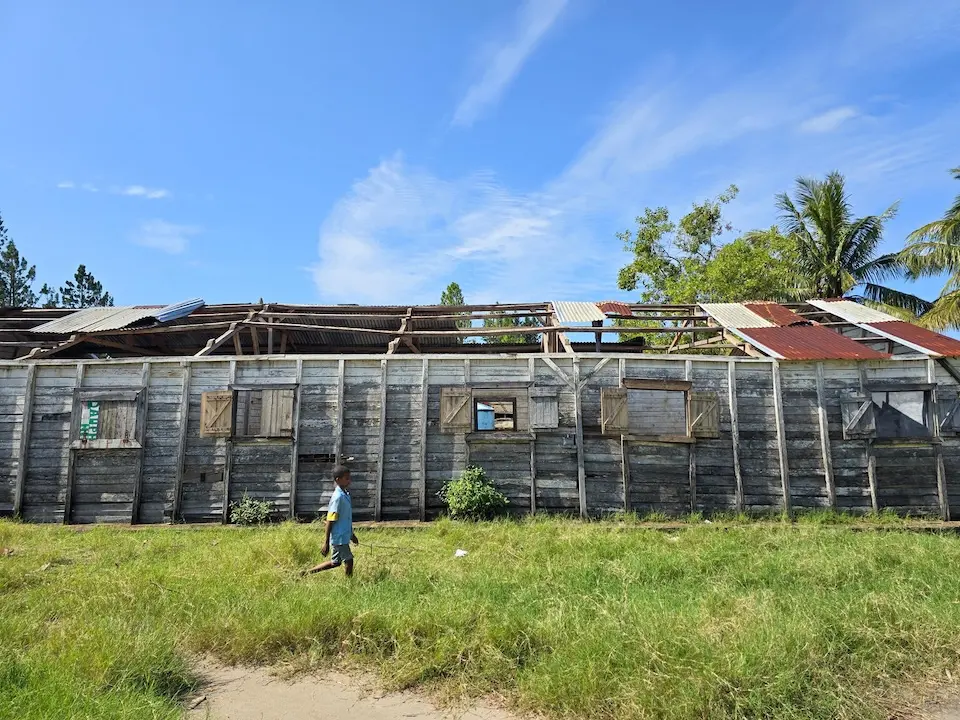
- In 66 percent of cases, classes were suspended; in 21 percent of cases, students could not return to their classrooms because schools had been damaged or converted into shelters.
In a smaller percentage of cases, students faced a shift to remote learning or shortened instructional time, delays in schools reopening, limited physical access to schools and/or reduced school attendance, which increases risks of dropout — especially for girls. When families are displaced and lose income due to a climate disaster, often it falls on daughters to take on more of the caregiving and domestic responsibilities like water collection. An out-of-school girl is also at increased risk of child marriage.
The report also points out that in many places, schools and education systems are not prepared or equipped to protect students from climate impacts, especially in fragile and crisis settings, while climate finance investments allocated to the education sector are starkly insufficient.
Understanding Children's Climate Risks
Protect learning from climate hazards: a UNICEF call to action
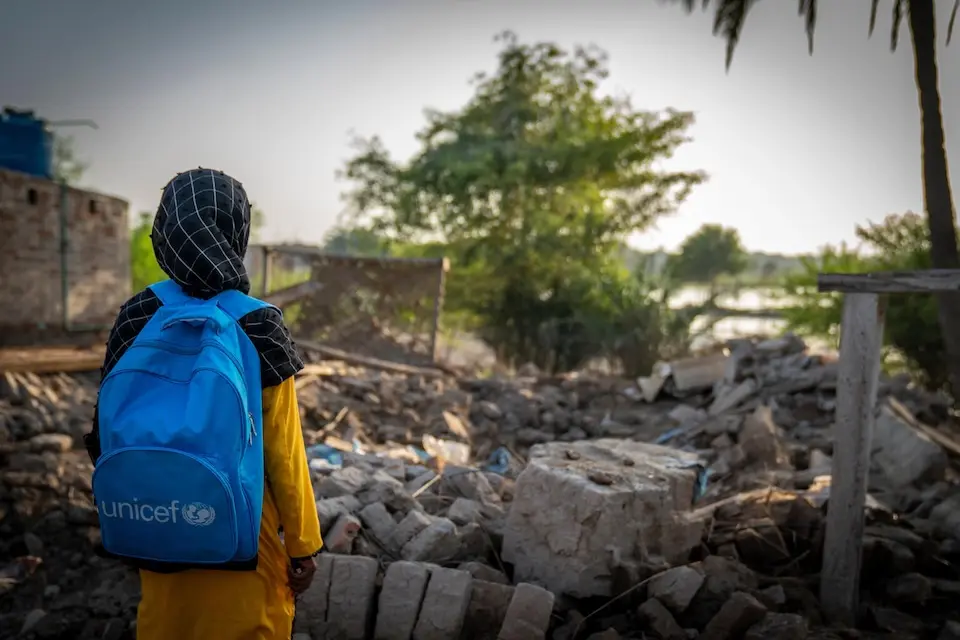
"Learning Interrupted" includes a call to action for governments and partners to scale efforts to better protect education from the worst impacts of climate hazards, including by:
- making school buildings safe and physically resilient to climate shocks
- increasing domestic and international financing for education resiliences
- supporting teachers to teach disaster risk reduction and climate education
- equipping children and young people with the knowledge and skills to drive climate action
- improving data systems
"As climate hazards become more frequent and intense, every effort must be made to ensure that schools and education systems can anticipate, withstand and recover from climate shocks," the report states.
Read the full report: "Learning Interrupted: Global Snapshot of Climate-Related School Disruptions in 2025"
Learn more: Climate Change and Children's Education