What is Child-Centered Governance
Child-Centered Governance (CCG) is a set of practices that cities, counties and states can use to put children first. It ensures that leaders consider the best interests of children and young people when they make decisions, create policies or decide how to spend public money.
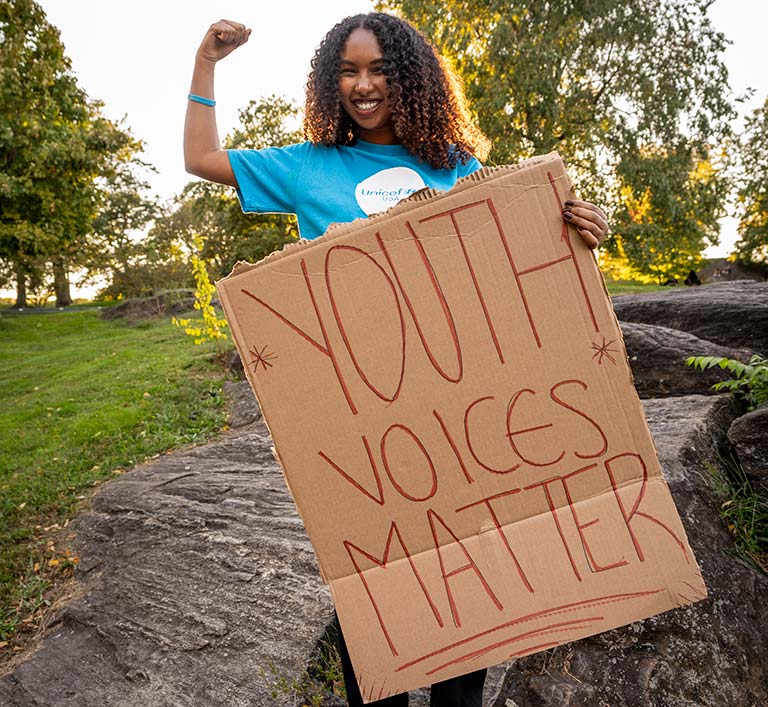
Centering Children Strengthens Communities
Communities are stronger when decisions consistently reflect the needs and perspectives of children and young people. Help make that happen where you live.
Children are affected by decisions across local and state government. Recent national polling found that 82 percent of youth believe they can make a difference in America. They have one clear request: include them directly in the decisions that affect their lives. Child-centered governance gives communities practical tools to do exactly that.
These practices draw on research and real-world experience and were developed and tested through UNICEF’s Child Friendly Cities Initiative (CFCI). For over 30 years, CFCI has supported local governments in advancing child rights across more than 40 countries. Three U.S. cities have been recognized as UNICEF Child Friendly Cities.
Explore the five child-centered governance practices, and see how communities are putting children at the center of local decision-making. Then visit our Resources Page for tools and evidence-informed guidance to support your work. As your efforts grow, join our National Learning Community to connect with peers, share ideas and access new resources, events and opportunities.
5 Practices to Establish and Strengthen Local Child-Centered Governance
Every community starts from a different place. These five flexible child-centered governance practices (In ES: Gobernanza Centrada En La Infancia PDF) can be adapted to local priorities, governance structures and capacity. When integrated into everyday decision-making, they can create lasting change in how local government works and its effectiveness in responding to the needs of children and youth.
Youth Councils
Establish inclusive youth advisory bodies with a formal role in local government, enabling children and young people to meaningfully participate in decisions that affect their lives.
Child Impact Statements
Assess how proposed policies, budgets and other government decisions may affect children before decisions are made, helping leaders identify risks, strengthen benefits and prioritize the best interest of children. Child Impact Statement Toolkit PDF.
(ES: Declaraciones De Impacto Infantil PDF)
Children's Cabinets
Create a formal cross-agency leadership body that coordinates planning, programs and investments across government to improve outcomes for children and youth. Children's Cabinets PDF.
(ES: Gabinetes Para La Infancia PDF)
Children's Budgets
Track and analyze how public dollars are invested in children and youth to identify gaps, strengthen transparency and better align public investments with children's needs. Children's Budgets PDF.
(ES: Presupuestos Para La Infancia PDF)
Youth Ombuds Offices
Establish an independent office that investigates concerns raised by children and families, identifies systemic issues and advocates for policy and practice reforms. Youth Ombuds Offices PDF.
(ES: Oficinas De Defensores Del Pueblo Para Los Niños PDF)
See Child-Centered Governance in Action
Explore examples of how local governments and communities are putting child-centered governance strategies into practice. These examples are shared for learning purposes and may not be affiliated with UNICEF USA programs.
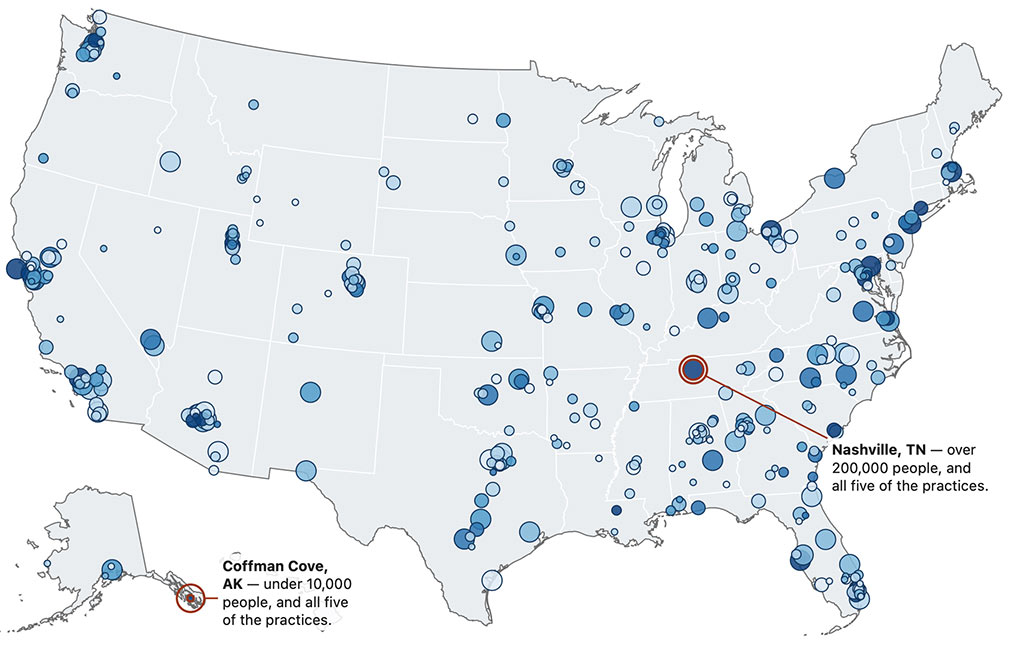
Current Data
Explore which child-centered governance strategies communities across the US are using and how those practices are structured. Get ideas for how you can center children in your decision making.
In the News
Keep up with the latest media coverage and stories worth celebrating about child-centered governance's real-world impact.

Sign up for the National Learning Community
Learn more about child-centered governance, sign up to receive our quarterly newsletter and get updates on new resources and ways to get involved.
Frequently Asked Questions
What is child-centered governance?
Child-Centered Governance helps governments consistently consider child wellbeing, needs and perspectives when making decisions.
How can my community partner with UNICEF USA?
UNICEF USA works with local governments and partners to translate child-centered governance into practice. Support includes practical tools and guidance, peer learning, applied research and opportunities to connect with other communities advancing child-centered governance.
Why should I join the National Learning Community?
The National Learning Community is UNICEF USA’s peer learning network for local government leaders, practitioners and partners working to advance child-centered governance. Members exchange ideas, share experiences, access resources and learn from communities across the country.
How does child-centered governance strengthen existing priorities?
Child-centered governance complements existing priorities by strengthening government decision-making for and with children. Communities establish governance structures and practices that improve coordination, participation, accountability and public investment over time — helping leaders make more informed decisions across issues like housing, public safety, transportation, mental health, education, economic development and climate resilience. By strengthening how decisions are made, communities are better equipped to respond to evolving needs and emerging challenges.