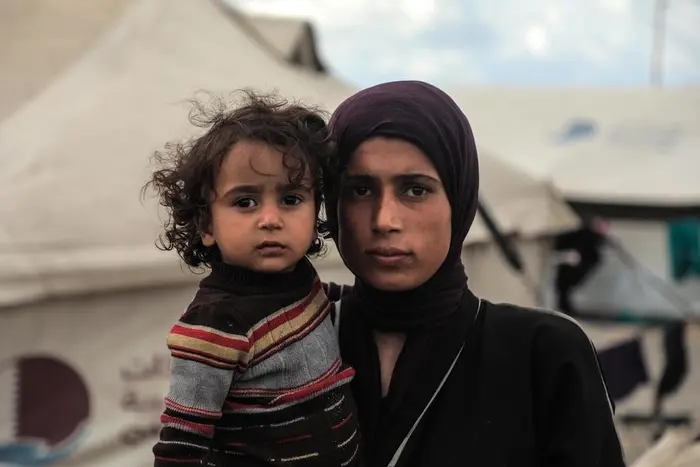
Children in Gaza Need Lifesaving Support
Even during the fragile ceasefire, children in Gaza are still under attack
Winter has arrived in the Gaza Strip, a season of cold, wind and rain. After two years of bombardment, the vast majority of families are displaced and have lost everything — their homes and all their belongings. For parents struggling to keep their children warm and safe in makeshift shelters and damaged buildings, with limited access to basic necessities, the challenges are enormous.
UNICEF and other UN aid teams are doing all they can to deliver urgently needed humanitarian aid while pushing for greater access to reach more children and their families. But even during the fragile ceasefire, children remain under attack. At least 67 children in Gaza have been killed in conflict-related incidents since the announcement of a pause in hostilities on Oct. 10 — a rate of two a day.
Related: Ceasefire in Gaza: Children Need Surge in Humanitarian Aid Now
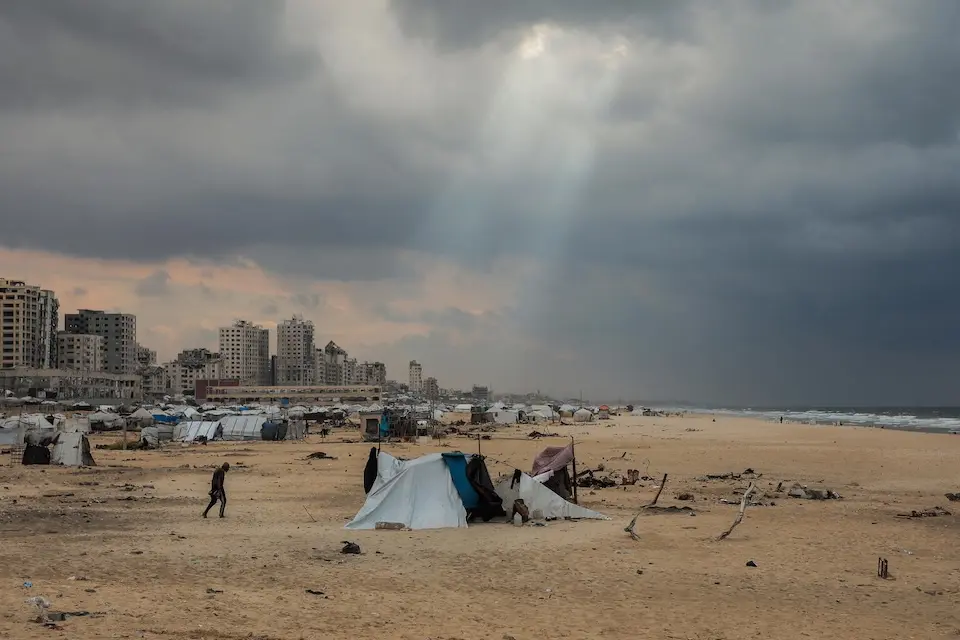
UNICEF is distributing warm clothing and blankets to protect children in Gaza
UNICEF has mobilized one of its largest winter stockpiles for Gaza for the 2025-26 season. To date, more than 134,000 winter clothing kits, 572,000 blankets, 236,000 tarpaulins, 5,000 family tents, 358 high-performance tents and 40,000 mattresses have been distributed, with a further 290,000 clothing kits, 341,000 blankets, 10,000 family tents and 353,000 tarpaulins in the pipeline.
We see so many children walking across the rubble at the moment in their bare feet. — UNICEF spokesperson Tess Ingram
Designed for a range of ages from newborns to teenagers, the winter kits contain warm jackets, hats, gloves, scarves and sweaters — even shoes and socks — to help children in Gaza survive the cold months ahead. "We see so many children walking across the rubble at the moment in their bare feet," said UNICEF spokesperson Tess Ingram.
Watch the video:
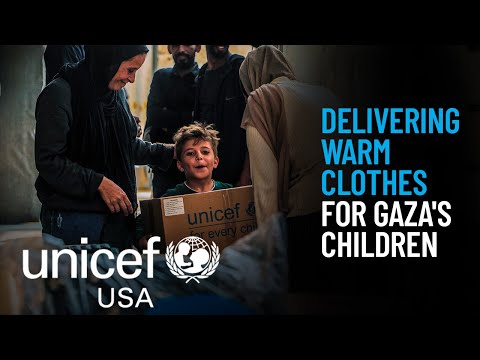
Floodwater lakes surround the tents in Beach camp in the Gaza City area, where Worod and her four children recently opened a UNICEF box filled with warm winter clothing. The family fled shelling and bombing, arriving in the camp with only the clothes they were wearing.
"I was thinking about what we will do on Thursday, since it will be raining," Worod said. "The kids need sweaters. They're small, and they have to keep warm. I can handle it, but the children can't."
The children watched wide-eyed as their mother pulled a winter coat from the cardboard box. "This box is really great," Worod said. "It's got everything inside — sweaters, boots, everything useful. Honestly, we really liked it."
The kids need sweaters. They're small, and they have to keep warm. I can handle it, but the children can't. — Worod, mother of four, Gaza City
UNICEF's winter response plan in Gaza focuses on the rapid delivery of essential services and supplies and the strengthening of recovery systems for children and their families. To help parents meet their children's most urgent needs, UNICEF is providing digital cash payments of $140 each to 100,000 families.
Restoration of access to safe and reliable water and sanitation is another key priority. In October, UNICEF reached 1.2 million people on average with sanitation and hygiene services. Daily water trucking is reaching 590,000 people. Solid waste collection continues in 17 municipalities and flood prevention work has been completed in key high-risk areas. Rehabilitation of damaged water infrastructure has resumed, including repairs to wells and sewage networks. Twenty-one water tanks, each with a capacity of 5,000 liters, were provided for use in shelters for the displaced and at water wells.
Learn more about how UNICEF is supporting children in Gaza
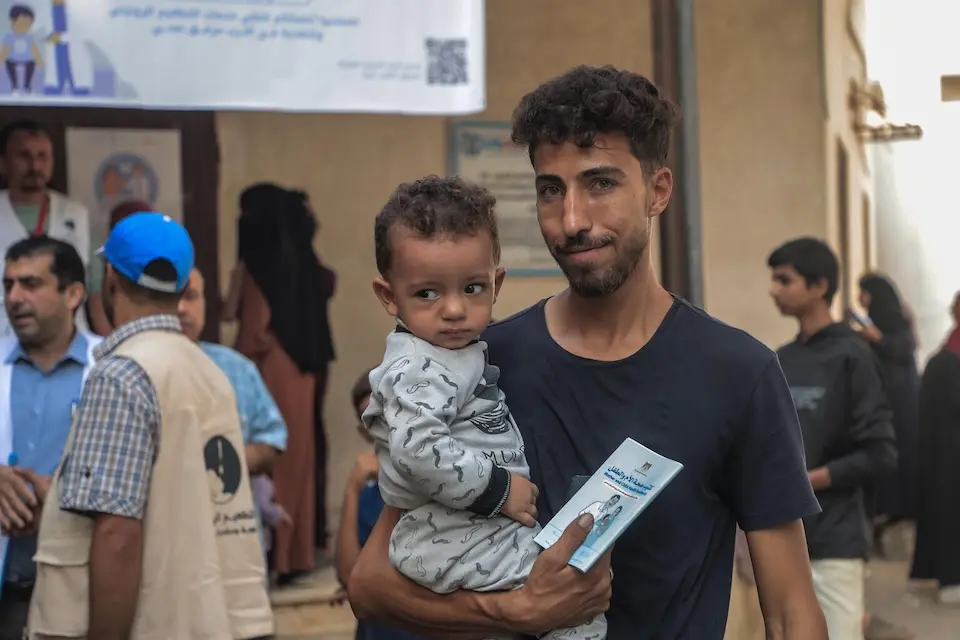
A catch-up immunization campaign is underway to protect children from disease
The threat of disease outbreaks is magnified by poor sanitation, overcrowding and limited access to safe water; children are particularly vulnerable. To protect children from measles, polio, pneumonia and other preventable childhood diseases, UNICEF and partners have launched a vaccination catch-up campaign. More than 13,400 children were reached during the first round; the campaign aims to reach 44,000 children who missed out on routine immunizations after two years of disrupted health services during the war.
All vaccines and 1.6 million syringes procured by UNICEF for the second and third rounds are now in Gaza. Health teams are visiting primary health care centers and shelters to reach displaced families and ensure that no child is left behind. Supported by GAVI the Vaccine Alliance, the catch-up campaign is part of UNICEF’s broader efforts to restore essential health services for children and support caregivers with accurate information about the importance of timely immunization.
UNICEF delivers nutrition support and treatment for mothers and children in Gaza
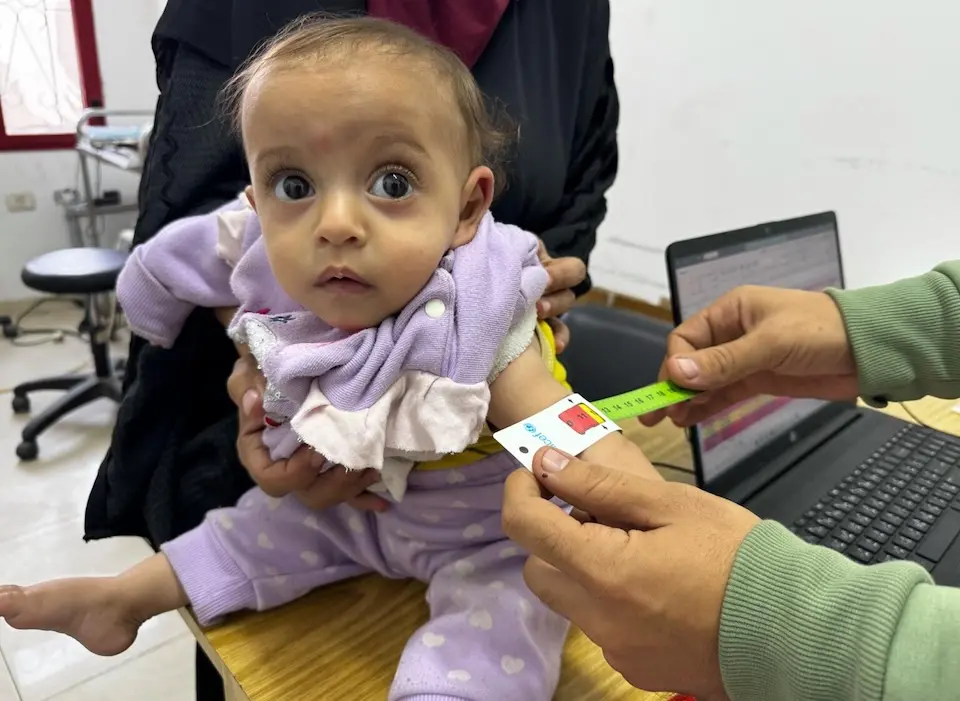
The vaccination campaign also integrated malnutrition screening. Of the 6,827 children screened during the first round, 508 children were identified as acutely malnourished and referred to the nearest nutrition facility for treatment.
Even with the current ceasefire, mothers and children continue to struggle to access nutritious food. Prices remain extremely high, and many families have no financial means to buy even basic items. As result, dietary diversity — critical especially for the healthy development of young children — remains low.
UNICEF remains committed to reaching these families with lifesaving nutrition support, ensuring that children can grow healthy and mothers can stay strong for their families.
Right now, the lives of the most vulnerable children hang in the balance as conflicts and crises jeopardize the care and protection that they deserve. Dependable, uninterrupted and effective foreign aid is critical to the well-being of millions of children. Please contact your members of Congress and urge them to support ongoing U.S. investments in foreign assistance.