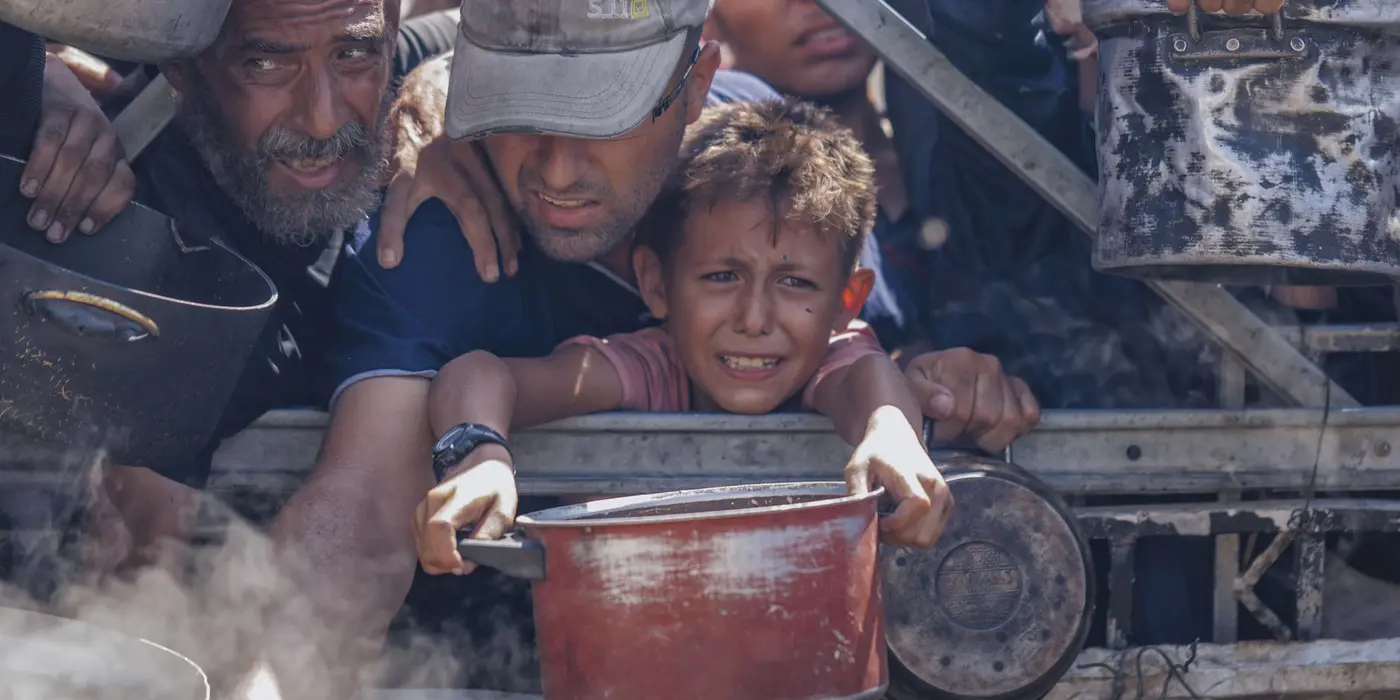
Gaza: Children in Crisis
Urgent: Gaza's children can't wait. Help UNICEF rush lifesaving aid to children whenever and wherever they are trapped in catastrophic conditions.
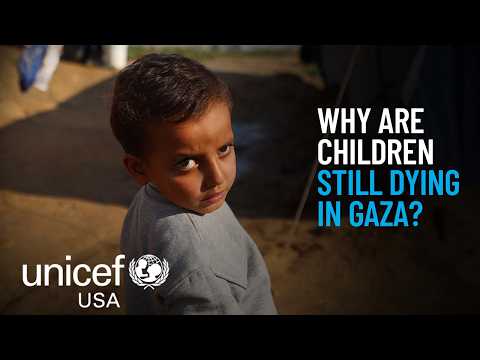
Your gift today helps UNICEF deliver lifesaving support where it’s needed most.
Ceasefire declaration can't stop the suffering of Gaza's children
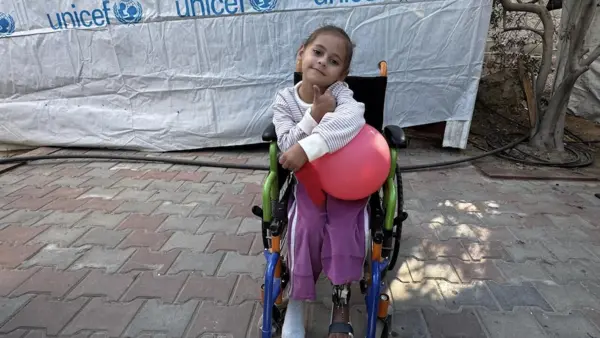
For families in Gaza, the fragile ceasefire is no guarantee of safety. Children continue to be killed and injured during airstrikes and other incidents. Attacks on schools jeopardize children's safety and their ability to learn. Collapsed services, restricted supply routes and overcrowded shelters make life a daily struggle to survive. Acute malnutrition remains well above pre-war levels, putting the youngest and most vulnerable at greatest risk. Shortages of fuel and other essential supplies threaten access to safe water and basic services. And the trauma runs deeper than what is visible: children in Gaza report living in fear of bombardment. This is what recovery looks like in Gaza — uncertain and dangerous for children. Your gift can help UNICEF keep showing up for Gaza's children.
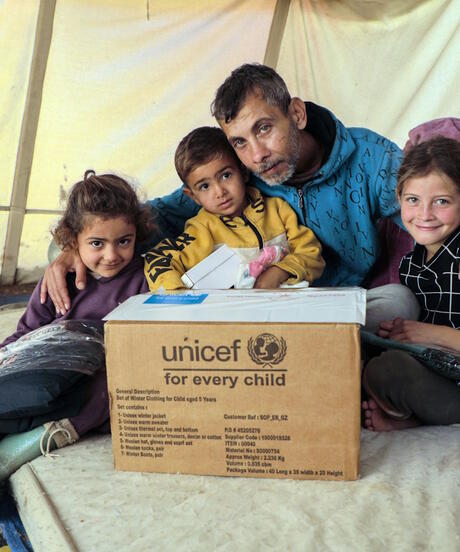
UNICEF is delivering lifesaving help in Gaza
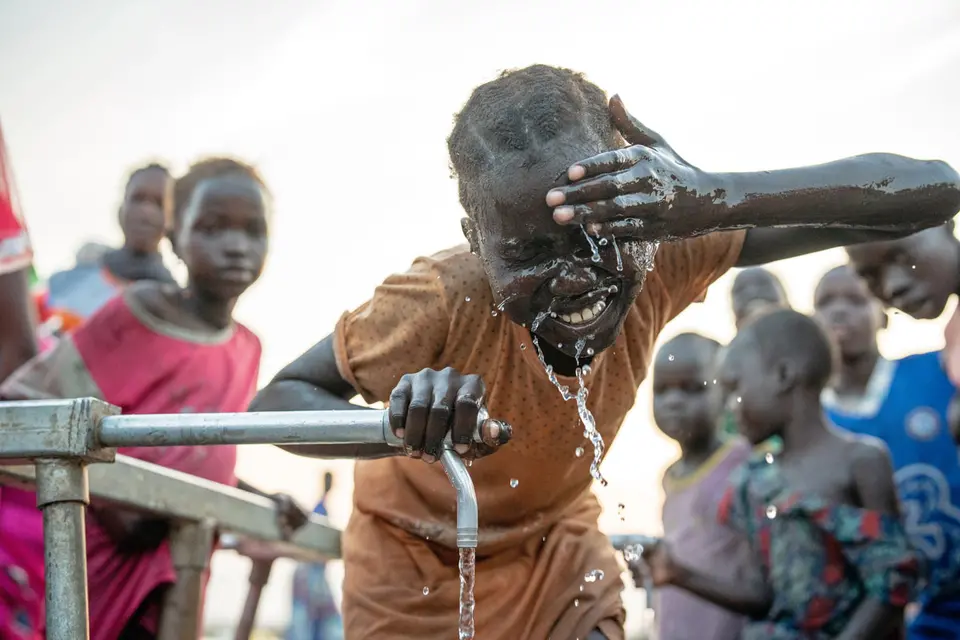
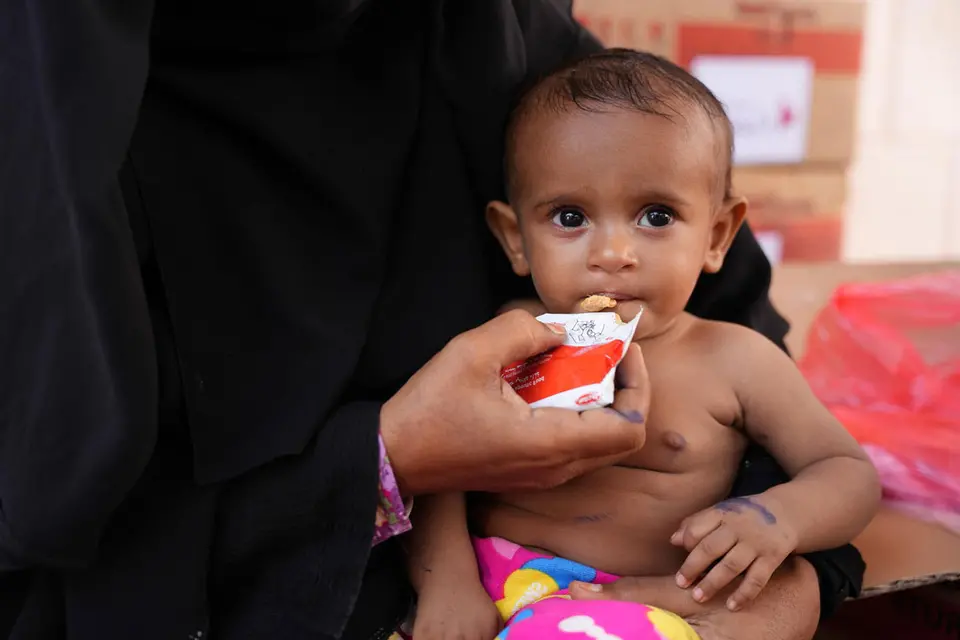
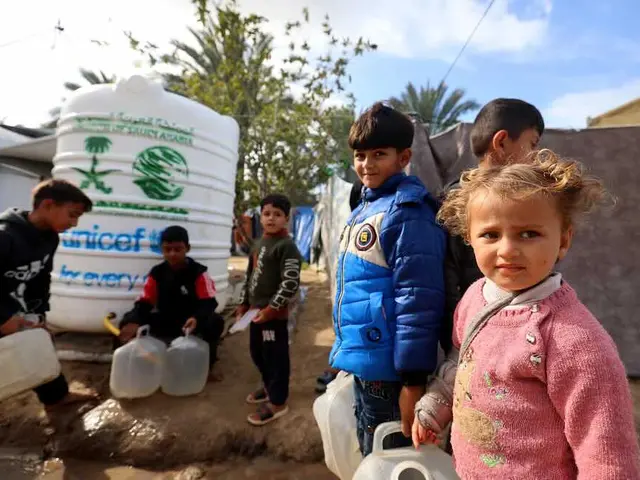
UNICEF is delivering lifesaving assistance and helping children regain access to essential services. Teams screen children for malnutrition and provide treatment with therapeutic food. UNICEF trucks safe drinking water to families and distributes water purification tablets so households can treat what water they have. Teams also provide sanitation and hygiene supplies and are working to restore damaged water systems and health care infrastructure. By delivering medicine, learning materials and mental health programming, UNICEF provides holistic support to help kids regain stability amid prolonged crises. Your donation can help Gaza's children today and through the long recovery ahead — while continuing to be there wherever children face the greatest need.
How Will My Donation Make a Difference?
More Ways to Support UNICEF

Donate Monthly
Donate

Give an Inspired Gift
Shop Now

Start a Fundraiser
Start Now

Donor Advised Funds
Learn More

Donation FAQ
How does UNICEF operate in Gaza and the West Bank?
UNICEF has been supporting Palestinian children in the West Bank and the Gaza Strip since the early 1980s. Following the establishment of the Palestinian Authority in 1994, UNICEF appointed its first Special Representative to serve Palestinian children. With staff in Jerusalem and the Gaza Strip, UNICEF works to fulfill children's rights and provide them with critical services and care. UNICEF teams help keep children connected to water and sanitation, education, health care and protection services while supporting social policy programs that shield children from the lifelong consequences of poverty and exclusion. Learn more about UNICEF's humanitarian response in Gaza here.
What does UNICEF do for children that my donation supports?
Your donation directly supports lifesaving and life-sustaining programs that help children survive and thrive:
- Health: Providing vaccines, medical care and emergency health services
- Nutrition: Fighting malnutrition, ensuring children get the nutrients they need to grow
- Clean water and sanitation: Delivering safe water and proper sanitation to prevent disease
- Education: Getting children into school and keeping them learning
- Protection: Keep children safe from violence, exploitation and abuse
How does UNICEF ensure donations reach children who need help most?
UNICEF focuses resources on what truly matters most for children’s survival and well-being. Amidst declining international assistance, UNICEF is drawing upon its agility and innovation to provide continuous programming for children and reach communities as quickly as possible.
Why should I donate to UNICEF specifically during this crisis?
During times of reduced funding, UNICEF’s work for children becomes even more critical. Your support, combined with UNICEF’s global reach, expertise and partnerships, helps ensure vulnerable children living in some of the world’s toughest places can get what they need, when they need it.
What is UNICEF's humanitarian role during armed conflict?
UNICEF’s humanitarian mandate is to help alleviate the suffering of children, no matter who they are or where they live.
In certain situations, when resources are readily available to meet children’s needs during an emergency, UNICEF does this by offering guidance and support to decision- makers on the ground. In others, UNICEF mobilizes staff and supplies, in collaboration with governments and partners, to provide direct assistance.
UNICEF aims to deliver critical aid to children caught in crisis, as outlined in international humanitarian and human rights law, including the 1989 Convention on the Rights of the Child. Ratified by nearly every country, the convention underpins UNICEF’s work in any context. In armed conflicts, it complements the universal principles that guide UNICEF's humanitarian operations and advocacy.
UNICEF has been operating impartially and neutrally since 1946. Then, UNICEF's mandate was to reach children on all sides of the war, regardless of the role their country played in fighting. Today, that mission remains the same. Impartial by procedure, UNICEF is never neutral when it comes to aiding children in need.