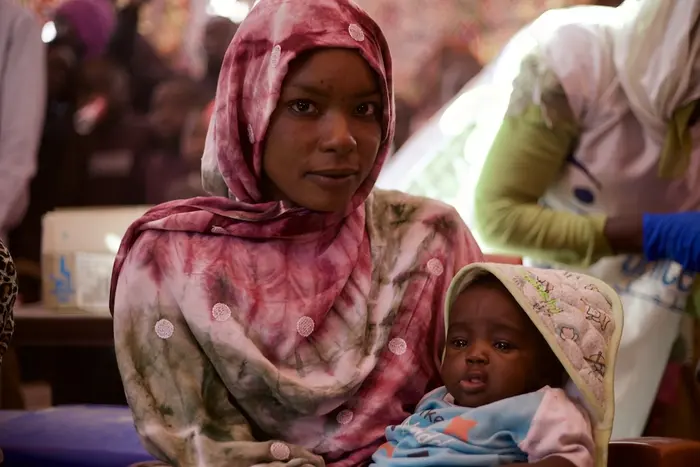
Vaccination Catch-Up Campaign Protects Children in Sudan Crisis
Measles is extremely contagious and highly preventable
Measles is one of the most contagious diseases on the planet. The virus can linger in the air for hours — stepping into an enclosed space up to two hours after an infected person has left is enough to contract the disease. To make matters worse, someone infected with the virus can start to spread measles to others long before they know they have it — four days before the telltale measles rash appears.
Learn more about measles outbreaks and their impact on children
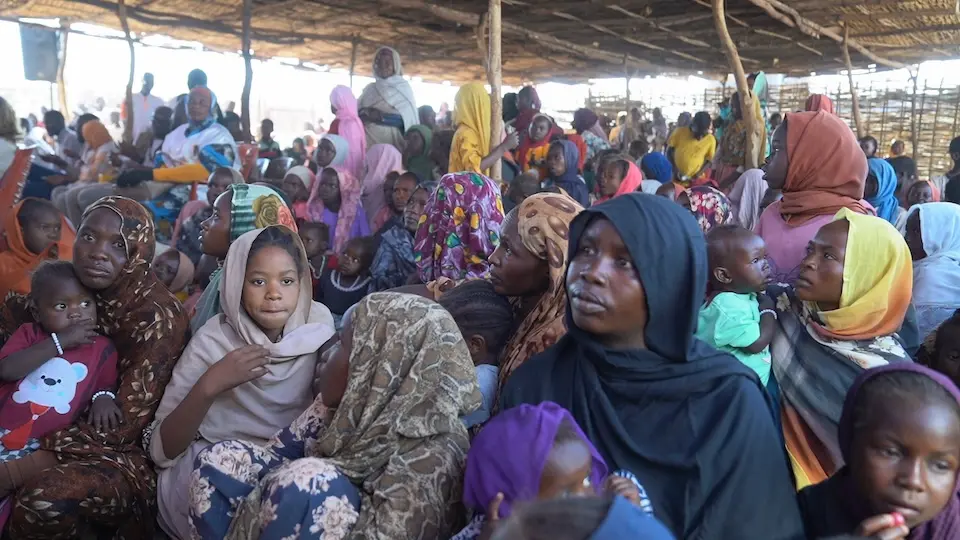
Measles and other vaccine-preventable diseases are surging in Sudan as immunity gaps widen
At least 95 percent measles vaccine coverage is needed in all communities to prevent measles and stop outbreaks. In Sudan, where civil war has raged since 2023, measles and other vaccine-preventable diseases are surging as immunity gaps widen.
The country's measles vaccine coverage has dropped to just 46 percent. Routine immunization in Sudan, as measured by the first dose of the diphtheria, tetanus and pertussis vaccine (DTP1), fell to 48 percent in 2024, threatening decades of progress in child health.
In collaboration with health authorities and partners, UNICEF Sudan has facilitated the delivery of 2.5 million doses of measles-rubella vaccine to launch a catch-up immunization campaign in the Darfur states targeting 6 million children. An additional 4.1 million doses are expected to arrive by early February 2026, ensuring continued protection for children against these preventable diseases.
Learn how UNICEF is delivering lifesaving support to children across Sudan
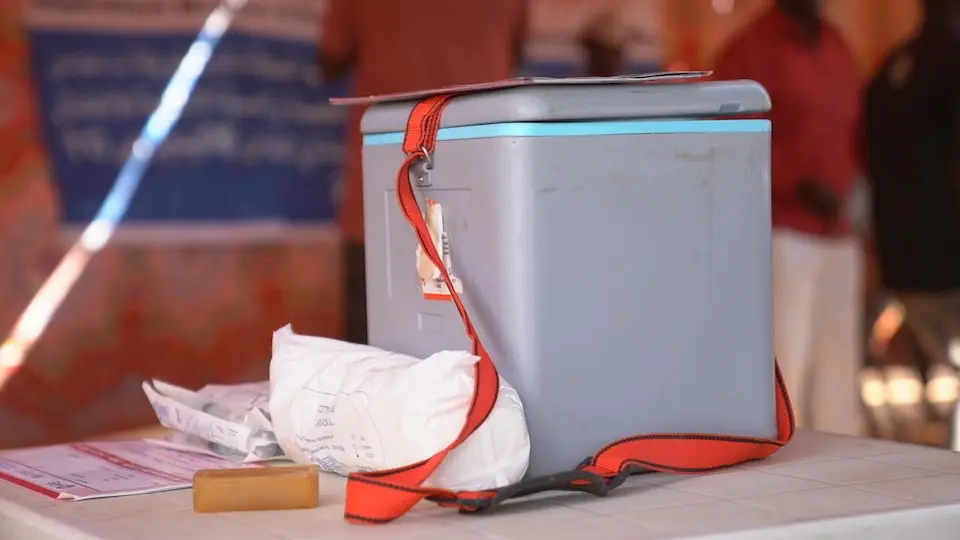
Disease spreads quickly in overcrowded displacement camps; babies and children are most at risk
Children in conflict zones often fall behind on their basic immunizations. Measles is so contagious that cases tend to show up quickly when vaccination levels decline. Outbreaks have already been reported in several localities across Sudan, with a growing risk of large-scale transmission in overcrowded camps and remote communities.
The situation is especially alarming in the Darfur states, where thousands of children are missing out on lifesaving vaccines due to insecurity, displacement and limited access to health facilities.
Measles is six times more contagious than Ebola
For every one person who has measles, 12 to 18 other people will be infected. This makes measles around 12 times more contagious than influenza and six times as contagious as Ebola.
Measles is particularly dangerous for unvaccinated children under 5; their undeveloped immune systems and organs are more vulnerable both to infection and to health complications. Infants under 1 year of age are the single most affected group. They are also the most likely to develop complications like pneumonia, diarrhea and encephalitis — and the most likely to die.
The disease can also damage the immune system by "deleting" its memory of how to fight infections, leaving measles survivors vulnerable to other diseases like influenza for weeks or even months.
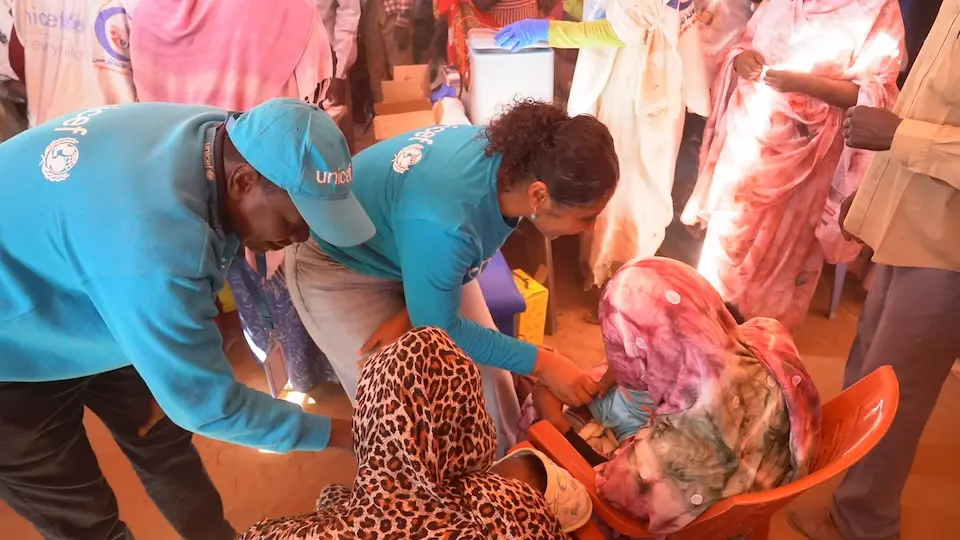
UNICEF works to ensure that children across the world have access to the vaccines they need to survive and thrive
“Every child has the right to be protected from preventable diseases, no matter where they live,” said UNICEF Representative for Sudan, Sheldon Yett. “By working with partners to deliver vaccines to the most vulnerable communities in Darfur, we are taking a critical step toward safeguarding children’s health and saving lives. These campaigns are not just about vaccines; they are about hope and resilience for families affected by conflict and hardship.”
Learn more about UNICEF's work to make sure all children have access to routine immunizations
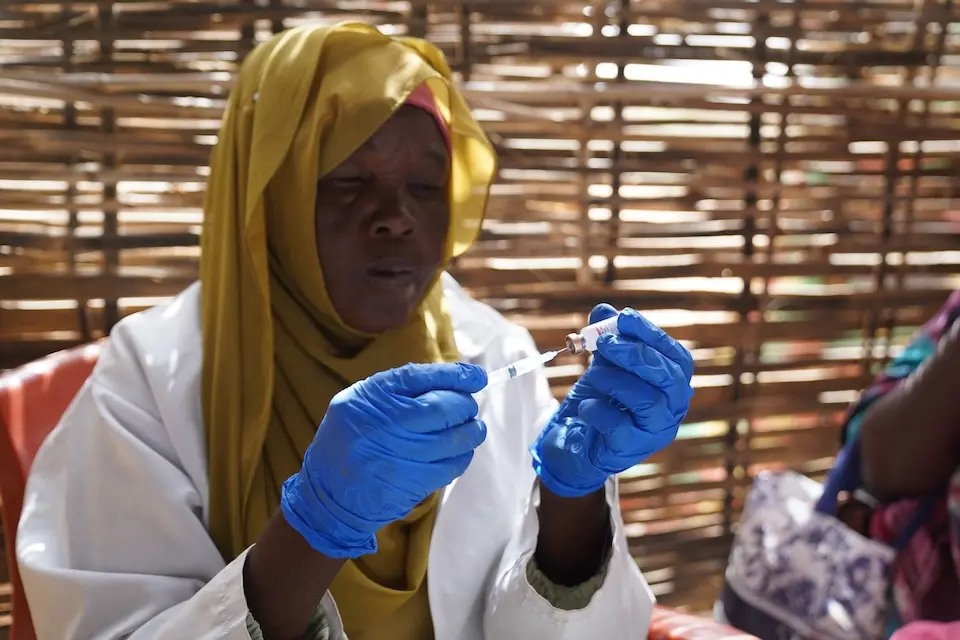
UNICEF won't stop protecting children from measles, rubella, polio and other vaccine-preventable diseases
The campaign is being implemented in phases, prioritizing states based on available vaccine stock and disease burden: South, North, West, Central and East Darfur. UNICEF has supported the transportation of syringes, safety boxes and communication materials to ensure safe and effective delivery of vaccines.
The campaign in West and Central Darfur was scheduled later to allow for the completion of a recent polio vaccination campaign in late December 2025. A minimum interval of four weeks between doses is recommended to ensure optimal immunogenicity and minimize interference.
UNICEF recently supported two successful rounds of polio vaccination campaigns in Central and West Darfur, reaching over 500,000 children under 5. Additional rounds are planned in other Sudanese states in January and February to maintain protection against polio.
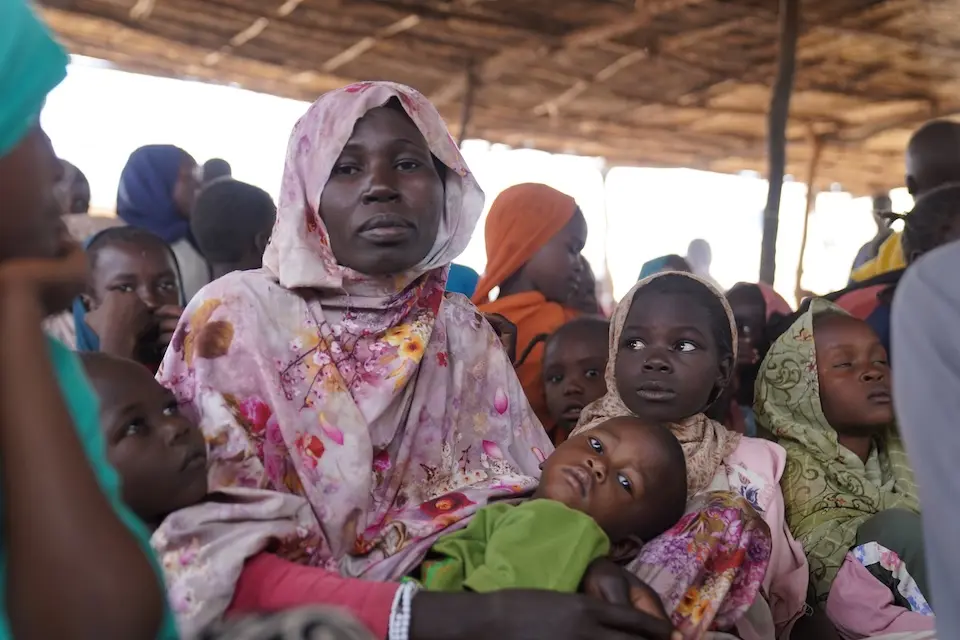
Children in Sudan have endured more than 1,000 days of conflict and displacement — what they need most of all is peace
The vaccination catch-up campaign is just one part of UNICEF's work to support children in Sudan. “Since fighting erupted in April 2023, Sudan has become one of the largest and most devastating humanitarian crises in the world, pushing millions of children to the brink of survival," Yett said. In 2026, 33.7 million people, about two-thirds of the population, are expected to need urgent humanitarian assistance. Half of them are children.
“Despite these extraordinary insecurity and access constraints, lifesaving assistance continues to reach children wherever possible," said Yett. UNICEF and partners are delivering support to treat severe malnutrition, vaccinate against deadly diseases, provide safe drinking water, and offer protection and psychosocial care to children affected by violence and displacement.
"Children in Sudan are not statistics," Yett continued. "They are frightened, displaced and hungry, but they are also determined, resourceful and resilient. Every day, they strive to learn, to play, to hope, even as they wait for the world to act. Ending this conflict is a moral necessity. It cannot wait.”
Right now, the lives of the most vulnerable children hang in the balance as conflicts and crises jeopardize the care and protection that they deserve. Dependable, uninterrupted and effective foreign aid is critical to the well-being of millions of children. Please contact your members of Congress and urge them to support ongoing U.S. investments in foreign assistance.