A 12-Year-Old's Resilience in Gaza
A child's-eye view of the impacts of war — and what comes next
Climbing the damaged cinderblock stairs, 12-year-old Fatima invites viewers into what remains of her family's home in the Gaza Strip. "This is my room," she says. "It was destroyed, but despite all that, even if the ceiling has leaks, I decided to be happy and I hung decorations."
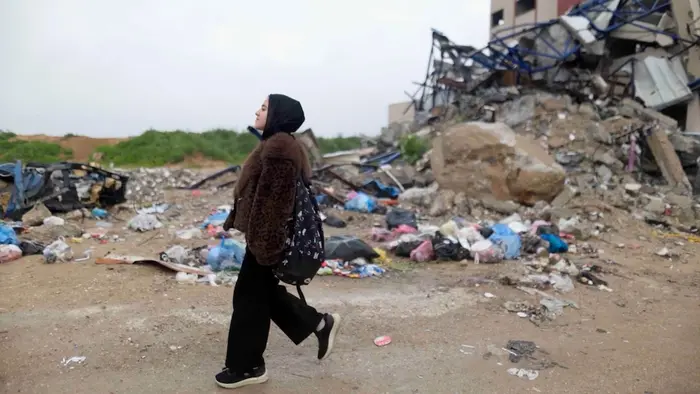
For nearly 1 million children across Gaza, everyday life is shaped by the impacts of conflict: supply disruption, systematic attacks on homes and schools, the destruction of health facilities, extensive damage to water, sanitation and waste management systems.
Every child in Gaza has experienced traumatic events. Almost all have been displaced, many repeatedly. And yet, hope endures.
Related: Building a Child-Centered Recovery in Gaza
Video: 'I am proud to be a girl from Gaza'
In her self-made video, 12-year-old Fatima offers an intimate glimpse into life affected by war: a pink-painted bedroom damaged by bombardment, a living room now used as a charging station for neighbors' cellphones — her family's only source of income.
"I am proud to be a girl from Gaza," she says. "And I want to send a message: We will remain strong, no matter what happens."
With loss comes resilience
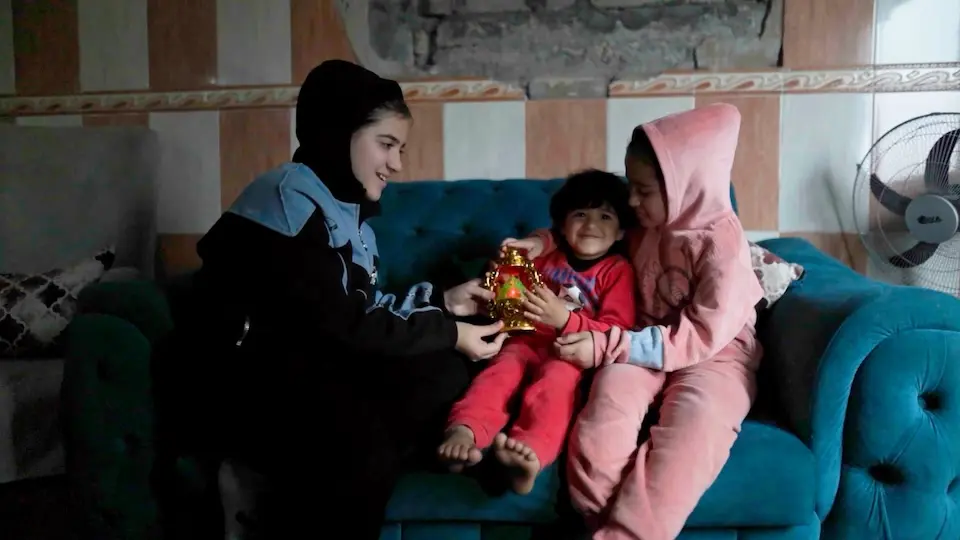
Every morning, Fatima fetches water for her family's household needs. Three times a week, she goes to a UNICEF-supported learning space in a tent, with other children from her neighborhood. In Fatima’s world, the hum of drones has become the constant soundtrack of childhood. Yet her voice and her dreams remain strong, a reminder that with loss comes resilience and the fragile hope of what still can be rebuilt.
UNICEF staff have remained on the ground in Gaza, working with partners to meet the most urgent needs of children and families — health care, education, child protection, nutrition assistance, emergency supplies — and to support Gaza's recovery.