5 Ways Conflict in the Middle East Impacts Children
UNICEF emergency response in the Middle East: meeting urgent needs of children
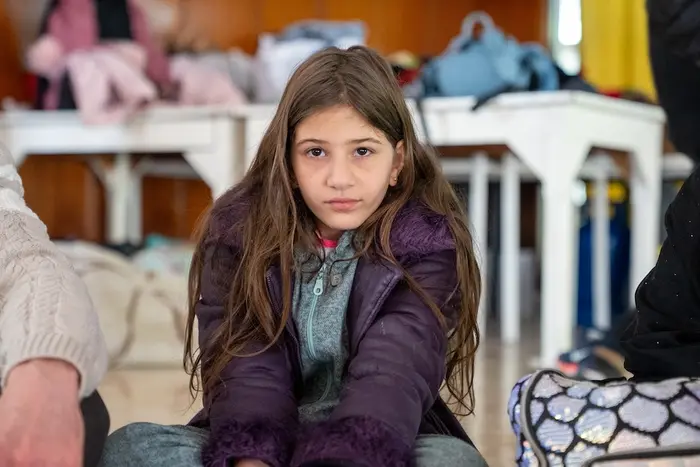
In armed conflicts, children pay the highest price. They lose loved ones, homes, schools and any sense of safety. They lose access to safe water, nutrition and health care.
As multiple, overlapping crises related to conflict in the Middle East intensify across the region, UNICEF is actively working with partners to expand emergency assistance measures and reach more children and their families with urgently needed protection and support.
UNICEF's immediate focus is on lifesaving interventions, including mental health and psychosocial support, primary health care and public health measures and water, sanitation and hygiene (WASH) services.
Here is a look at five critical areas of impact — with what UNICEF is doing to help children in the Middle East affected by conflict.
Related: UNICEF Supports Children Caught in Crisis in Middle East
Safety
The escalation of hostilities across Lebanon is exacting a heavy toll on families, particularly children, with rising casualties and new waves of displacement, deepening an already fragile humanitarian situation. Since March 2, 2026, thousands of families have been forced to flee and shelters are rapidly filling.
UNICEF is responding by distributing emergency supplies and working with partners inside displacement shelters to help children in Lebanon feel safe and protected: providing mental health and psychosocial support and arranging for learning and recreation in child-friendly spaces. Child protection teams also work to identify and support injured, unaccompanied and separated children.
“No child should ever be killed or be left to bear the lifelong physical and emotional scars of violence,” said Marcoluigi Corsi, UNICEF Representative in Lebanon. “The violence must stop. Children must always be protected.”
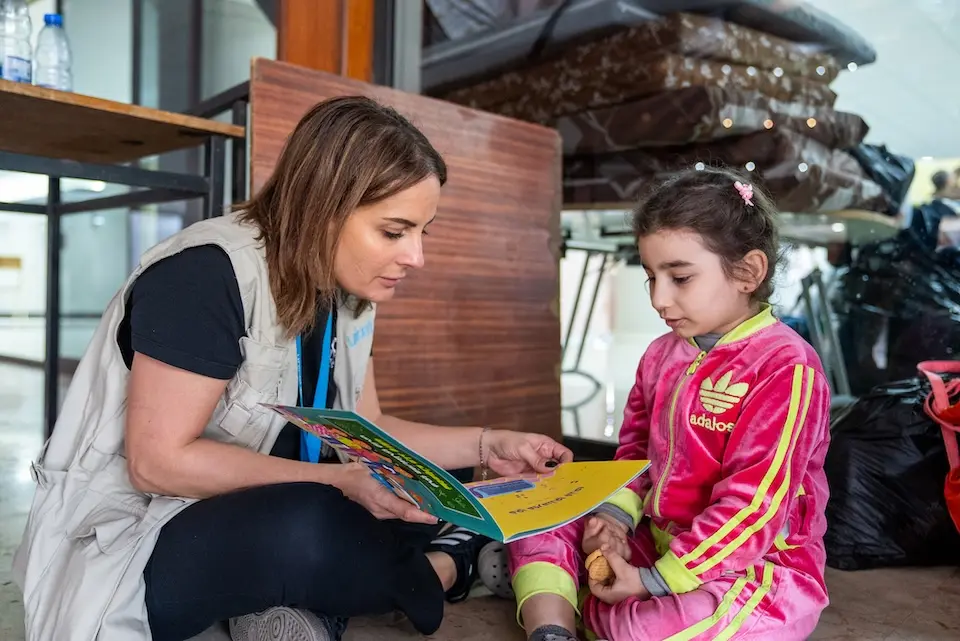
As needs continue to surge, UNICEF is also preparing to distribute emergency cash assistance to support up to 45,000 vulnerable families with children, building on existing national social protection systems.
Learn more about how UNICEF supports children in Lebanon
Health
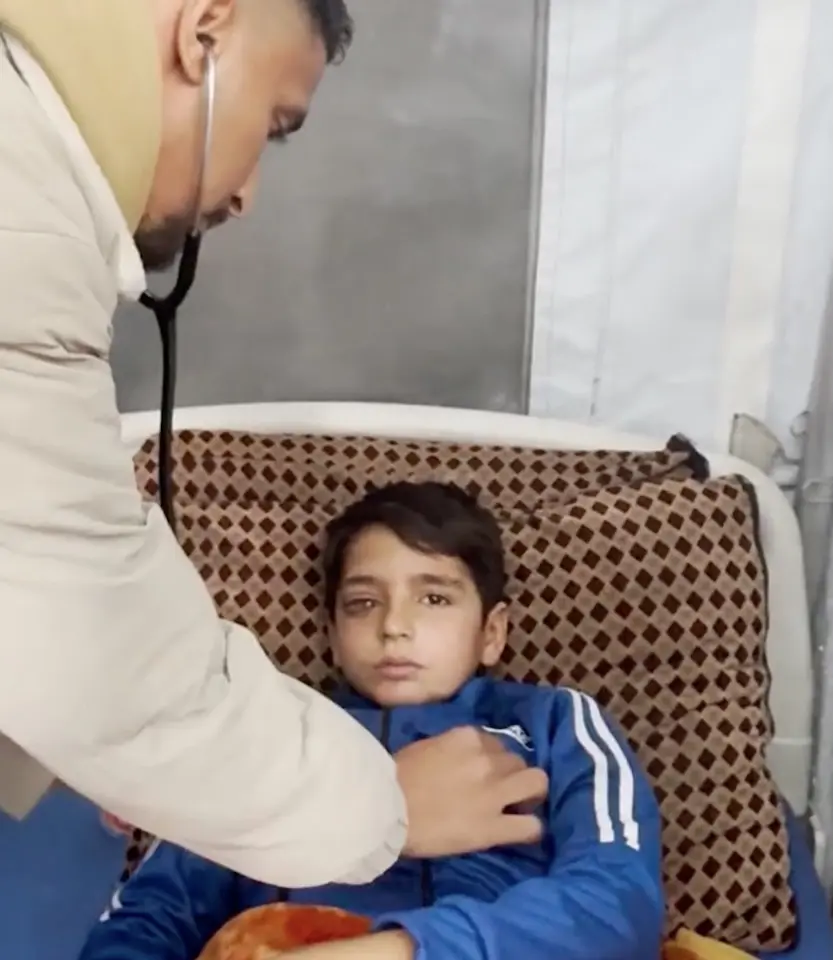
Conditions remain highly dangerous for children in the Gaza Strip; since the ceasefire of early October, at least 100 children have been killed.
Hundreds more have been wounded, including 9-year-old Abid, who was out collecting firewood with his friends when he was hit by shrapnel.
"A missile struck beside me," Abid said while lying in a hospital bed. "A fragment 6 mm wide flew into my eye. I can no longer see."
UNICEF's ongoing emergency response in Gaza includes helping to ensure access to medical care for Gaza's children, by providing emergency health supplies and supporting the delivery of primary health services at facilities and through mobile clinics. UNICEF is also reaching children in Gaza with immunizations that protect them from vaccine-preventable diseases.
Other efforts include supporting maternal and neonatal health care and the rehabilitation for children with impairments, including amputees. The overarching objective is to invest in long-term health system strengthening, by building the capacity of local community health workers to deliver care among other resilience measures.
Learn more: Restoring Health Services for Children in Gaza
Nutrition
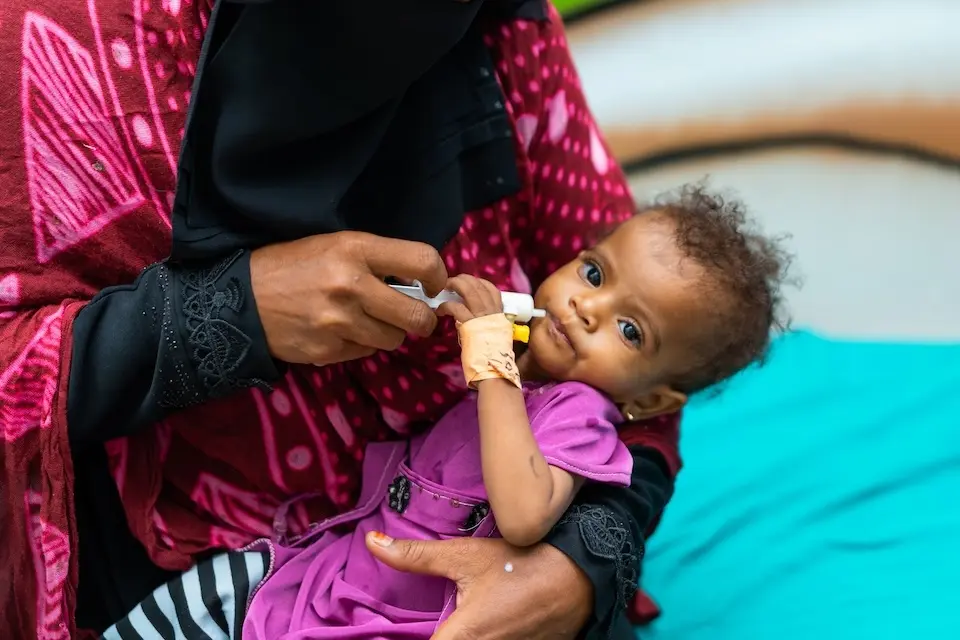
Malnutrition among children is a common and persistent problem in countries in the Middle East impacted by conflict. In Yemen, years of conflict, poverty and limited access to essential services have left millions of children at risk, and the country's nutrition crisis continues to worsen.
UNICEF works with local partners all across the country to help expand access to lifesaving nutrition services for vulnerable children — supporting therapeutic feeding centers to ensure severely malnourished children in Yemen receive timely treatment, training health workers to screen for early detection and providing ready-to-use therapeutic food.
Safe water
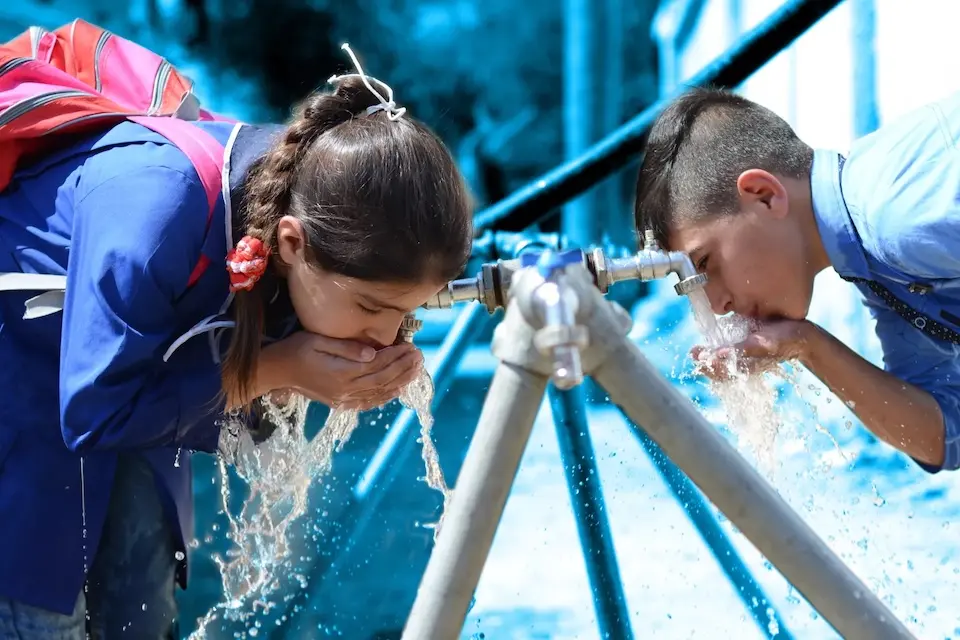
Years of conflict in Syria decimated much of the country's water infrastructure. Millions of people in the country still lack adequate access to safe, clean water for drinking and domestic needs — threatening children's health and ability to thrive. Damage to water and sewer lines and water treatment facilities heightens risks of disease.
For immediate relief, UNICEF provides water trucking services to communities and populations in need, while also working to upgrade and rehabilitate water networks to make them more resilient, ensuring a sustainable water supply. Moving beyond short-term fixes and investing in resilient systems is critical in order to protect children in Syria from preventable disease, restore dignity to families and help communities rebuild their lives, Meritxell Relaño Arana UNICEF Representative in Syria, explained.
“Access to safe water is not a privilege, it is a basic right and a foundation for children’s survival and development," she said.
Education
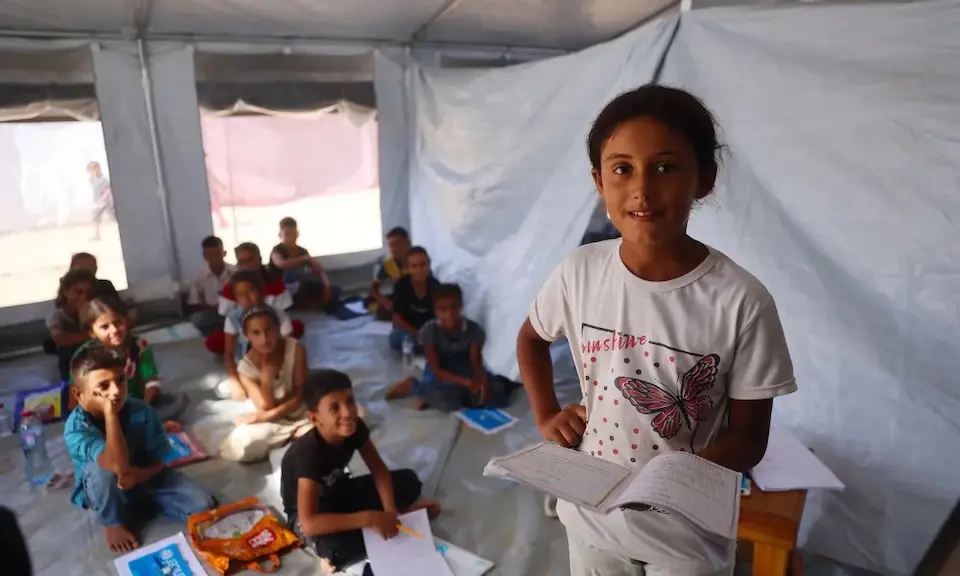
When children are displaced by conflict — or it is no longer safe to go outside — they often stop going to school. Finding ways to keep kids learning alongside peers in a safe environment helps protect their right to an education while also helping them cope at a time of fear and uncertainty.
That's why setting up tented classrooms and other child-friendly spaces and providing school supplies and other learning materials are often one of UNICEF's top priorities in war zones and other emergency contexts.
In Gaza, 9 in 10 schools have either been destroyed or have sustained damage in the last two and a half years, interrupting education for some 700,000 students. Until recently, UNICEF was barred from bringing in education supplies.
In January 2026, UNICEF and partners launched a Back to Learning program to expand non-formal education to hundreds of thousands of Gaza’s children. Efforts kicked off with the distribution of hundreds of School-in-a-Box kits containing school supplies for teachers and students.
UNICEF already supports some 135,460 children at 111 multi-service learning spaces across Gaza. The goal is to have 336,000 children learning in classrooms in 2026 — and return every child to in-person learning in 2027.
Learn more about how UNICEF supports children's education in emergencies
Children in the Middle East need support now
UNICEF's priority is always to reach the most vulnerable children with the protection, care and essential services they need now, while preparing to scale or pivot as those needs change. Unrestricted donations are the best way to support UNICEF's emergency response for children caught in conflicts in the Middle East and around the world.
"We know what to do, we've been in these situations before, unfortunately," UNICEF Spokesperson Ricardo Pires told NBC News in a March 5, 2026 interview about the latest attacks on Lebanon. "We have increased our emergency response across the country, reaching children who are once again facing conflict, with bombs falling from the skies, not knowing what their future will look like in the weeks and months to come."
Help UNICEF scale up emergency response operations for children in need
* UNICEF USA complies with U.S. sanctions restrictions, and, as such, we do not accept funds specifically designated for programs in Iran. We do, however, raise funds for UNICEF programming in the Middle East and North Africa region.
Frequently asked questions about conflict in the Middle East and children
Where is the Middle East?
The Middle East is a region that includes countries across Western Asia and parts of North Africa. Several countries in the Middle East, including Lebanon, Syria, Yemen and the Palestinian territories, are facing humanitarian crises that affect millions of children.
Learn more about what UNICEF does in the Middle Eastern region
How does conflict in the Middle East affect children?
Conflict in the Middle East disrupts nearly every part of a child’s life. It threatens their safety, health and well-being. Many lose access to safe water, medical care, nutrition and education. Many are forced from their homes and face increased protection risks while coping with displacement and trauma.
What types of conflict happen in the Middle East?
Several types of conflict affect communities across the Middle East, including armed violence, inter-communal or sectarian strife and political instability, all of which can contribute to prolonged humanitarian crises for children and families, by damaging infrastructure or otherwise limiting access to essential services.
How is UNICEF helping children affected by conflict in the Middle East?
UNICEF provides lifesaving support to children affected by conflict in the Middle East through emergency response operations and longer-term interventions in health, nutrition, education, protection and water, sanitation and hygiene (WASH). Learn more about what UNICEF does to help children in need.