Seeds of Hope: A Garden Grows in Gaza
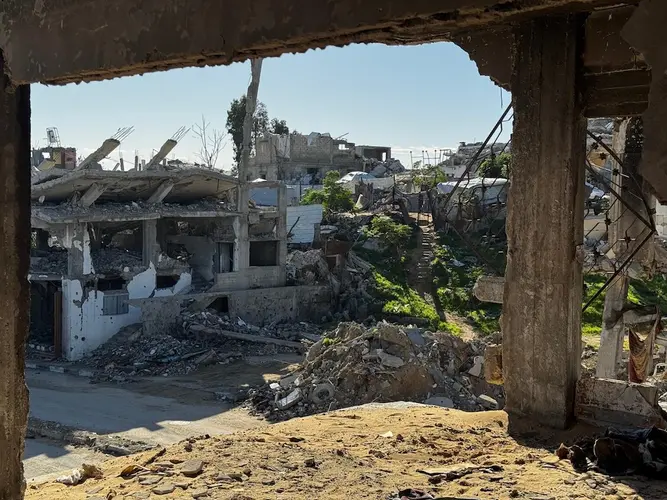
More than 500 people are living in extremely difficult conditions in Al Manshiya camp in Beit Lahia, North Gaza. Families are sheltering in damaged houses that could collapse at any moment or in tents that provide little protection from the rain and cold. With nowhere else to go, many families have returned to the area to stay close to what remains of their homes — some just 500 meters from the “yellow line.”
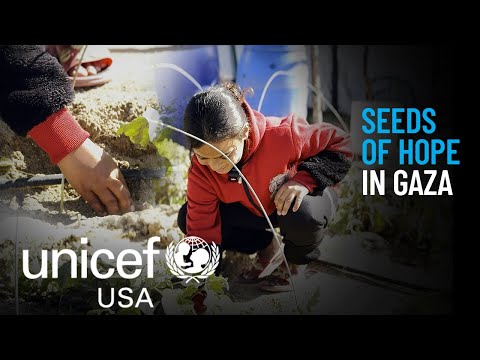
Here, surrounded by destruction, 12-year-old Ghazal tends her vegetable garden and dreams of a brighter future.
The nearest market is more than three miles away, so Ghazal planted eggplant, arugula, potatoes, parsley, basil and mint near the tent where she lives with her family. "We go out, bring water from the street, and come here to water the plants," Ghazal says.
Video: A better future takes root in a 12-year-old's garden in Gaza
Life is still dangerous for Gaza's children
The garden is a sign of hope — hope that she and her family will remain in the same place long enough to continue harvesting what they grow, hope that they will not be harmed by the air strikes and gunfire that have slowed, but not stopped, since the announcement of a ceasefire in October 2025.
"My dream is that the war ends, that life becomes better, a better life," says Ghazal. "Honestly, they really disturb us, and we are afraid of random gunfire, shrapnel. A piece of shrapnel fell between me and my cousin. That's me and the shrapnel was right in between us," she explains, drawing a diagram in the dirt.
My dream is that the war ends, that life becomes better, a better life. — Ghazal, 12, North Gaza
UNICEF is on the ground in Gaza, working with communities to help families make it through a brutal winter and begin to rebuild their lives. Starvation is still a threat; nearly every child under 5 faces severe malnutrition. UNICEF is opening more health clinics and nutrition points, repairing water and sanitation facilities and coordinating vaccination catch-up campaigns to ensure children have the emergency food, clean water and medical care they need to survive.
Learn more about how UNICEF is helping children in Gaza
Help children in Gaza get back to learning and growing
After more than two years of restrictions, UNICEF has been allowed to bring recreational kits into Gaza, to support children's learning, well-being and resilience. Since Jan. 15, 2026, more than 5,100 recreational kits containing materials including notebooks, pencils, erasers and crayons, have entered the Strip, supporting more than 375,000 children — including 1,000 children with disabilities.
“For young children around the world, including in Gaza, playing is not a luxury, but how they develop language, motor skills, problem-solving and social-emotional skills,” said Ted Chaiban, UNICEF Deputy Executive Director, Humanitarian Action and Supply Operations, who visited Gaza this week. "Children in Gaza must keep learning and growing, despite the disruption and ongoing despair around them."
Right now, the lives of the most vulnerable children hang in the balance as conflicts and crises jeopardize the care and protection that they deserve. Dependable, uninterrupted and effective foreign aid is critical to the well-being of millions of children. Please contact your members of Congress and urge them to support ongoing U.S. investments in foreign assistance.