Staggering Scale of Need in Sudan
UNICEF emergency response in Sudan is reaching children — but requires more support, better access as situation deteriorates rapidly
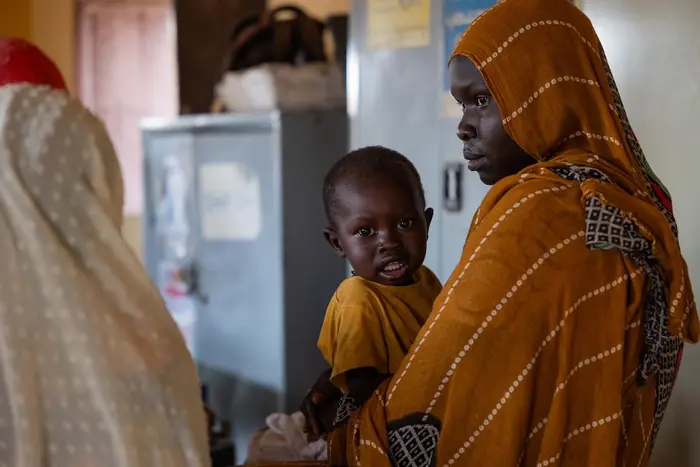
Sudan's war has impacted virtually every child in the country, but nowhere worse than in Jebel Aulia, one of two localities in Khartoum State that have been identified as being at extreme risk of famine.
In Jebel Aulia, safe water is scarce. Access to health care and learning limited. "Malnutrition is rife, and many of the children are reduced to just skin and bones," UNICEF Sudan Representative Sheldon Yett said after returning from a weeklong visit to the area.
Watch the video: Yett reports on Sudan's child malnutrition crisis from UNICEF-supported treatment site in Jebel Aulia
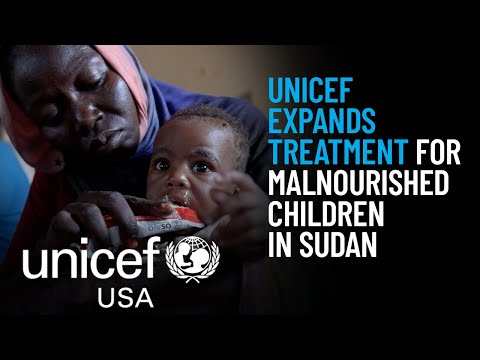
Yett traveled from Port Sudan to Al Jazirah and Khartoum states to witness the impact of Sudan's war, one of the world's gravest humanitarian emergencies. Since the conflict erupted in mid-April 2023, it has triggered the world’s largest displacement crisis, decimated infrastructure and pushed vast areas of the country into famine conditions while also contributing to diseases outbreaks.
As of June 2025, an estimated 11.8 million people had been forcefully displaced.
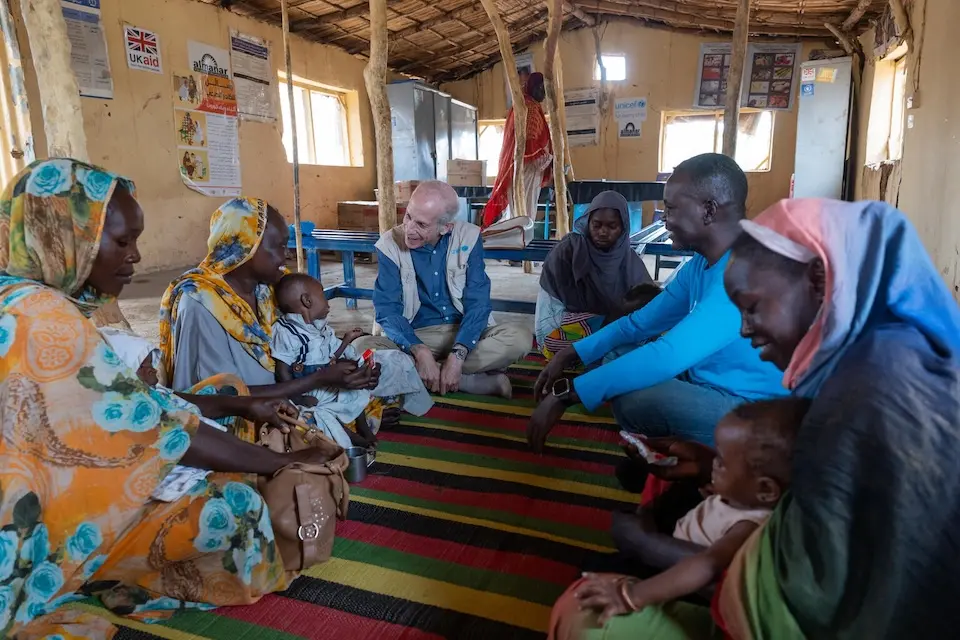
"I met mothers who walked for very long distances to find safety, and health workers who cared for the sick and malnourished despite the risks," Yett said during an Aug. 5 press briefing.
"I also saw our teams and partners work tirelessly, often in perilous and uncertain conditions, continuing to deliver lifesaving aid. As one of the displaced mothers told us: 'Since the war started, my daughter has fallen into a state of silence, and I can feel her heart racing with fear.' Her words are a chilling reminder of the invisible wounds this war is inflicting on children in Sudan."
In Jebel Aulia, Yett said he observed children and families sheltering in small, damaged or unfinished buildings, and narrow roads that were muddy and often impassable — and getting more impassable by the day as rains continued.
The few health centers and nutrition treatment centers that are still functioning are crammed with people as cholera cases continue to climb.
How UNICEF is battling a deadly cholera outbreak in Sudan
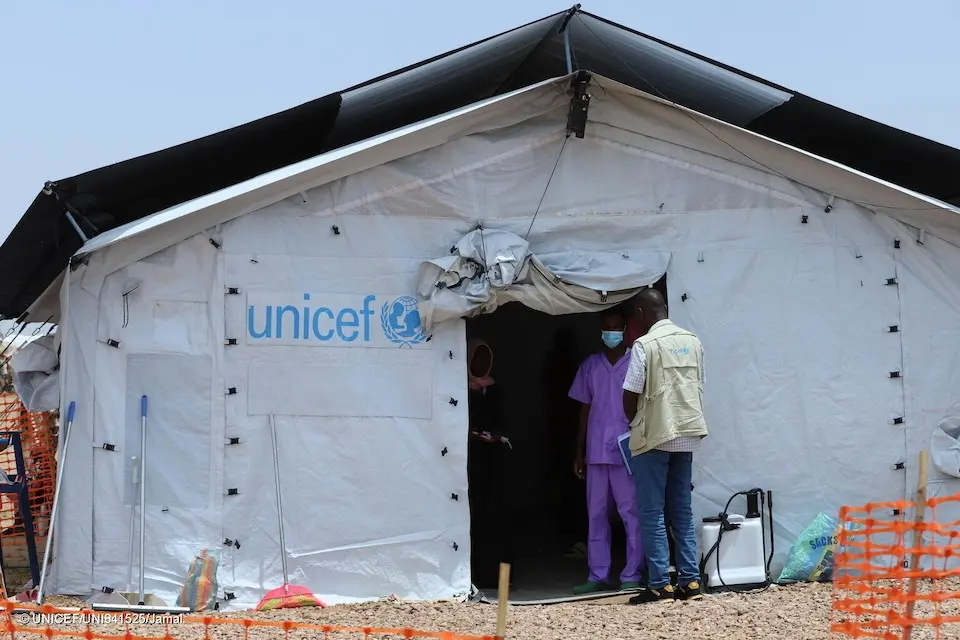
It took months to be able to access the Jebel Aulia community, Yett noted; now UNICEF and partners are doing everything possible to reach children and families in need with humanitarian assistance. Priorities are supporting health and nutrition services and access to safe water and sanitation while creating safe spaces for children to learn, play and heal. Security is precarious but improving.
"But the scale of need is just staggering, and, along with our partners, we are being stretched to the limit," Yett said. "Sadly, this is true across the country, with the situation deteriorating rapidly. Children are dying from hunger, disease and direct violence. They are being cut off from the very services that could save their lives."
The scale of need is just staggering, and, along with our partners, we are being stretched to the limit. — Sheldon Yett, UNICEF Sudan Representative
With recent funding cuts, many of UNICEF's partners in Khartoum State and elsewhere in Sudan have been forced to scale back their operations, Yett said. At the same time, record-high admission rates of children receiving treatment for severe acute malnutrition in places like Jebel Aulia and large parts of Al Jazirah State show the urgent need to scale up.
UNICEF: Funding cuts drive Sudan's children to the brink of irreversible harm
"We are stepping up, but we cannot do it alone," Yett said. "We need resources. We need safe and sustained access."
Yett reiterated UNICEF's call for sustained diplomatic efforts for peace. "I have seen the worst of what war can do and the best of what humanity can offer in response," he said. "Children in Sudan are resilient. They have endured war now for over two years. But they cannot survive without help."
Sustained support for Sudanese children, families more critical than ever
In a situation report summarizing results of humanitarian action from January through June 2025, UNICEF notes that with the war now in its third year, sustained support for children and their families in Sudan is more critical than ever — and that roughly two-thirds of funding requirements remain unmet.
This poses "a significant challenge for millions of children who need essential services to ensure their survival and dignity," the report states. "With collective, strengthened commitment, the outlook for millions of vulnerable children can change."
Accelerated investments are required to sustain and expand lifesaving interventions in nutrition, child protection, health, WASH, education and resilience, while also reinforcing Sudan’s fragile social service systems and infrastructure.
Flexible funding essential to ensure swift, effective emergency response
Flexible funding remains essential to enable UNICEF to respond swiftly and effectively to emerging crises and to deliver uninterrupted support where it is needed the most.
To be able to reach vulnerable children across the country, coordinated advocacy is crucial for calling for sustained, unimpeded humanitarian access, including across conflict lines and across borders; secured humanitarian routes; respect for international humanitarian and human rights law, increased funding, and, most importantly, a cessation of hostilities.
Learn more about the needs of children in Sudan and UNICEF's emergency response
Help UNICEF scale up lifesaving services for children in Sudan and other humanitarian emergencies around the world.