Breadcrumb Home UNICEF in action Displaying 46 - 54 of 2316 Region AllAfrica-Algeria-Angola-Bahrain-Benin-Botswana-Burkina Faso-Burundi-Cabo Verde-Cameroon-Central African Republic-Chad-Comoros-Côte d'Ivoire-Democratic Republic of the Congo (DRC)-Djibouti-Egypt-Equatorial Guinea-Eritrea-Eswatini-Ethiopia-Gabon-The Gambia-Ghana-Guinea-Guinea-Bissau-Kenya-Lesotho-Liberia-Libya-Madagascar-Malawi-Mali-Mauritania-Morocco-Mozambique-Namibia-Niger-Nigeria-Príncipe-Rwanda-São Tomé -Senegal-Sierra Leone-Somalia-South Africa-South Sudan-Sudan-Tanzania-Tunisia-Uganda-Zambia -ZimbabweAsia-Afghanistan-Bangladesh-Bhutan-Cambodia-China-Cook Islands-Federated States of Micronesia-Fiji-India-Indonesia-Kiribati-Lao People's Democratic Republic (Lao PDR)-Malaysia-Maldives-Marshall Islands-Mongolia-Myanmar-Nauru-Nepal-Niue-Pakistan-Palau-Papua New Guinea-Philippines-Samoa-Solomon Islands-Sri Lanka-Thailand-the Democratic People's Republic of Korea (DPRK)-Timor-Leste-Tokelau-Tonga-Tuvalu -Vanuatu-VietnamEurope-Albania-Armenia-Azerbaijan-Belarus-Bosnia and Herzegovina-Bulgaria-Croatia-Georgia-Greece-Kazakhstan-Kosovo-Kyrgyzstan-Moldova-Montenegro-North Macedonia-Poland-Romania-Serbia-Tajikistan-Turkmenistan-Ukraine-UzbekistanMiddle East-Albania-Armenia-Azerbaijan-Belarus-Bosnia and Herzegovina-Bulgaria-Croatia-Gaza-Georgia-Greece-Iran-Iraq-Israel-Jordan-Kosovo-Lebanon-Moldova-Montenegro-North Macedonia-Romania-Serbia-Syria-Tajikistan-Turkey-YemenNorth America-Dominican Republic-El Salvador-Guatemala-Haiti-Honduras-Jamaica-Mexico-Nicaragua-United StatesSouth America-Argentina-Belize-Bolivia-Brazil-Chile-Colombia-Guyana-Panama-Paraguay-Peru-Suriname-Uruguay-Venezuela Issue Allair pollutioncash transferschild laborchild marriagechild protectionchild soldieringchild traffickingChild-Friendly Spaceschildhood immunizationchildren with disabilitiescholeraclimate changeCOVAXCOVID-19diarrheadisplacementearly childhood developmentEbolaeducationemergency responseequityfood insecurityGAVIhealthhealth systemsHIV/AIDShygieneinnovationmalariameaslesmenstrual health and hygienemental healthmigrationnutritionpneumoniapoliopsychosocial support respectsanitationtetanuswateryouth engagementZika virus Emergency Allchild rights crisisconflictcyclonedisease outbreakdroughtearthquakeepidemicextreme weatherfaminefloodinghurricanemigrant crisismonsoonmudslidenatural disasterpandemicrefugee crisistsunamityphoonvolcanowar Programs & Partners AllambassadorsBridge FundChange for GoodChild Friendly Cities InitiativeGeorge Harrison FundImpact Fund for Childreninspired giftsJohnson & Johnson FoundationKiwanisMercury FundMicrosoftRotary InternationalSchool ClubsTrick-or-Treat for UNICEFU.S. AdvocacyUNICEF marketUNICEF NextGenUNICEF-Duke Innovation Accelerator Trending Search Topics: k.i.n.d. ways to give tax rules donation Inside Look: How UNICEF USA Supports UNICEF Emergency Response A conversation with UNICEF USA's Senior Director of Global Programs about what goes on behind the scenes to mobilize support for children in crisis. Read More Afghan Children Returning From Iran Need Urgent Assistance Afghan families living in Iran are crossing back into Afghanistan, in need of basic services and uncertain what the future holds. UNICEF is there. Read More Daily Acts of Humanity: The Women of Al Fasher Sudan's brutal civil war has displaced millions. Meet some of the women who are stepping up to provide care for children and their families. Read More 5 Ways Conflict in the Middle East Impacts Children Conflict disrupts and endangers children's lives in many ways. Here are five of them, and how UNICEF is responding. Read More Building a Child-Centered Recovery in Gaza What do children in Gaza want for their own futures? Children ages 5 to 18 share their views on recovery and reconstruction in the Gaza Strip. [video] Read More The School That Never Sleeps A UNICEF-supported school has become a safe space for learning and living for displaced families in Rokero, Central Darfur, Sudan. [video] Read More UNICEF Supports Children Caught in Crisis in Middle East Escalating hostilities and their ripple effects threaten to compound already immense humanitarian needs across the region. UNICEF is there. Read More Easing the Water Burden in Sudan UNICEF-supported access to safe water is a game changer for families in Sudan's River Nile State, improving health, education and stability. Read More How to Talk to Your Children About Conflict and War Children often look to their parents and caregivers for a sense of safety and security — even more so in times of crisis. Read More Pagination First page « First Previous page ‹‹ … Page 2 Page 3 Page 4 Page 5 Current page 6 Page 7 Page 8 Page 9 Page 10 … Next page ›› Last page Last »
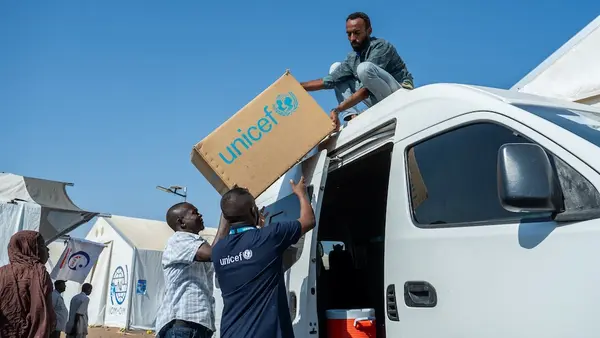
Inside Look: How UNICEF USA Supports UNICEF Emergency Response A conversation with UNICEF USA's Senior Director of Global Programs about what goes on behind the scenes to mobilize support for children in crisis. Read More
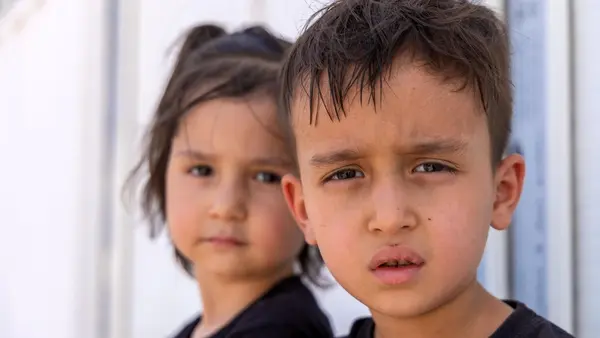
Afghan Children Returning From Iran Need Urgent Assistance Afghan families living in Iran are crossing back into Afghanistan, in need of basic services and uncertain what the future holds. UNICEF is there. Read More
Daily Acts of Humanity: The Women of Al Fasher Sudan's brutal civil war has displaced millions. Meet some of the women who are stepping up to provide care for children and their families. Read More
5 Ways Conflict in the Middle East Impacts Children Conflict disrupts and endangers children's lives in many ways. Here are five of them, and how UNICEF is responding. Read More
Building a Child-Centered Recovery in Gaza What do children in Gaza want for their own futures? Children ages 5 to 18 share their views on recovery and reconstruction in the Gaza Strip. [video] Read More
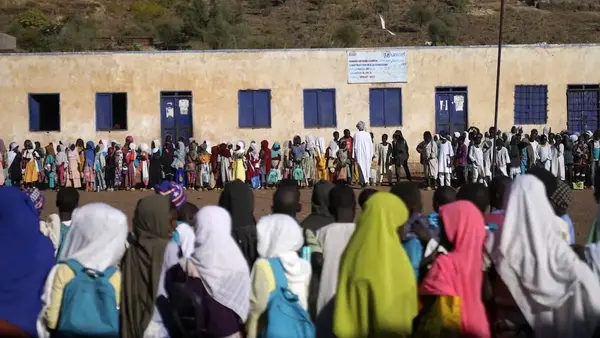
The School That Never Sleeps A UNICEF-supported school has become a safe space for learning and living for displaced families in Rokero, Central Darfur, Sudan. [video] Read More
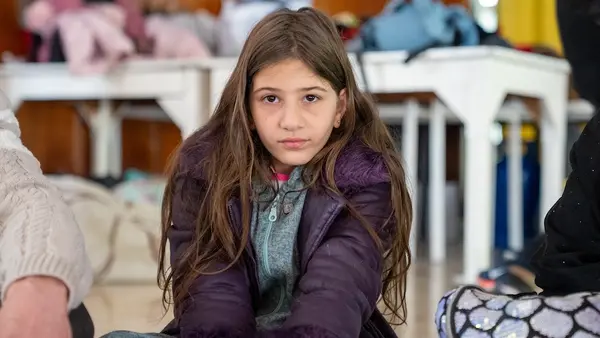
UNICEF Supports Children Caught in Crisis in Middle East Escalating hostilities and their ripple effects threaten to compound already immense humanitarian needs across the region. UNICEF is there. Read More
Easing the Water Burden in Sudan UNICEF-supported access to safe water is a game changer for families in Sudan's River Nile State, improving health, education and stability. Read More
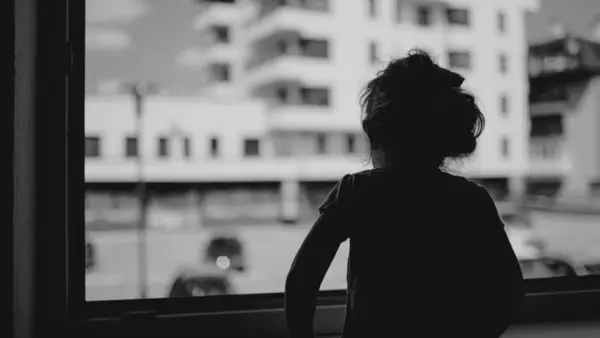
How to Talk to Your Children About Conflict and War Children often look to their parents and caregivers for a sense of safety and security — even more so in times of crisis. Read More