Tackling the Crisis of Sexual Violence in DRC
New data show sharp increase in child rape and sexual assault cases
Sexual violence against children is endemic, systemic and worsening across the Democratic Republic of the Congo, according to a new UNICEF report released Dec. 30, 2025.
While conflict remains a major driver, the report, a comprehensive analysis of data from 2022 to 2025, indicates a nationwide crisis impacting every province, with cases rising sharply year over year.
“In some provinces, every week we document new cases of children being violated on their way to school or when fetching water," a protection monitor in eastern DRC told researchers in February 2025. "It never stops."
In some provinces, every week we document new cases of children being violated on their way to school or when fetching water. It never stops. — protection monitor in eastern DRC
More than 35,000 cases of child rape and sexual assault were recorded in DRC in the first nine months of 2025, putting the year on track to surpass 2024, when nearly 45,000 cases against children were recorded.
The true toll, however, is likely far higher. Many cases go unreported due to fear of stigma and retaliation; limited access to services also prevent many survivors from ever reporting their assault or seeking help.
"Some families come to report sexual violence but withdraw their complaint the next day because they fear being identified," said one social worker in Kasai Central who is quoted in the report. "They say, ‘better to keep quiet than be humiliated.’”
One 15-year-old female survivor said, "My family told me not to speak about it. They said if people know, nobody will marry me.”
The report, entitled "The Hidden Scars of Conflict and Silence: Sexual violence against children in the Democratic Republic of the Congo 2022-2025," brings together national administrative data compiled by protection and gender-based violence service providers, UN-verified conflict-related data and testimonies from survivors and frontline workers to provide the most comprehensive picture currently available.
The report examines how sexual violence affects children in different contexts, and who is most affected; the barriers survivors face in accessing care and justice; and the consequences for children’s health, safety and development. It assesses response efforts to date, and what recovery looks like when survivor-centered services are available. And it outlines priorities for accelerating progress toward prevention, improved access to services and accountability.
"Behind every statistic is a child whose life has been profoundly altered by violence," the report states. "Survivors speak of shame, isolation and a loss of identity, yet they also describe a continued search for dignity and hope."
Access the full report: The Hidden Scars of Conflict and Silence: Sexual violence against children in the Democratic Republic of the Congo 2022-2025
Risk factors include conflict, displacement, poverty — and a climate of impunity
Most cases of sexual violence against children in DRC are concentrated in North Kivu, South Kivu and Ituri, the "Hidden Scars" report states.
In these eastern provinces, conflict-related sexual violence has risen steadily since 2022, with a sharp increase in cases involving girls — who represented 47 percent of documented conflict-related sexual violence survivors in 2024, up from 27 percent in 2022.
Armed non-state actors remain the primary perpetrators, operating in an environment where accountability mechanisms are weak and impunity prevails.
But sexual violence outside DRC's conflict zones is also widespread.
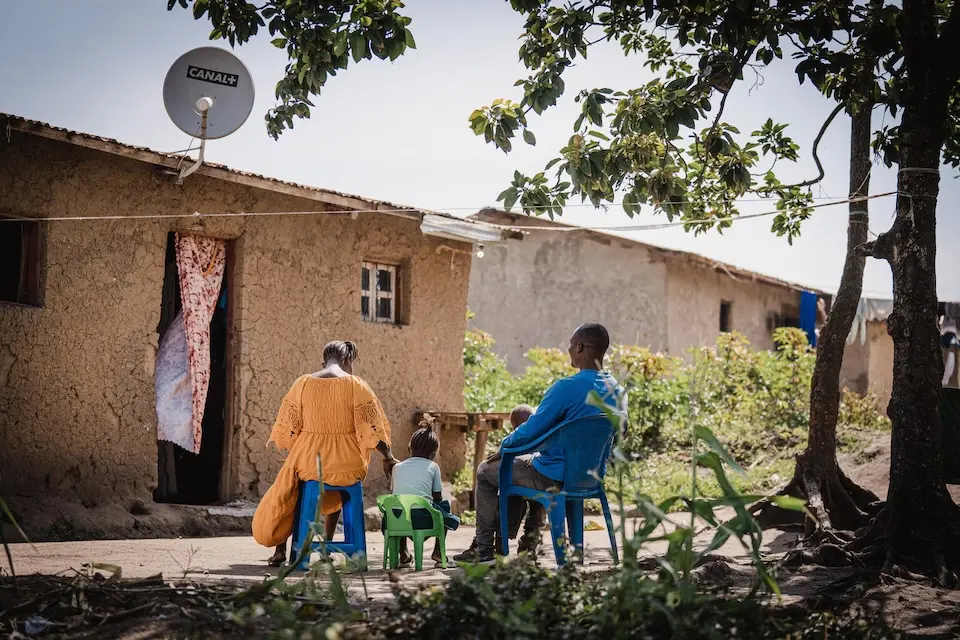
Many children are abused within their own homes or communities, often by relatives, neighbors or acquaintances, the report states. Girls aged 12 to 17 remain the most affected, while boys, children with disabilities and displaced children face distinct vulnerabilities and severe barriers to reporting.
Some families come to report sexual violence but withdraw their complaint the next day because they fear being identified. They say, ‘better to keep quiet than be humiliated.' — social worker in Kasai Central province, DRC
A significant number of cases have been documented in Kinshasa and the Kasai, where poverty, food insecurity and school dropout heighten girls’ vulnerability to exploitation and early marriage. Other contributing factors include entrenched gender inequality and other harmful social norms and weak protection and justice systems.
"Case workers describe mothers walking for hours to reach clinics with daughters who can no longer walk after being assaulted," UNICEF Executive Director Catherine Russell said in a statement accompanying the report's release. "Families say that fear of stigma and retaliation often keeps them from reporting the abuse. Stories like these are repeated across provinces, exposing an entrenched crisis driven by insecurity, inequality and weak support systems.”
Related: What It Takes to Support Children Fleeing Violence in the DRC
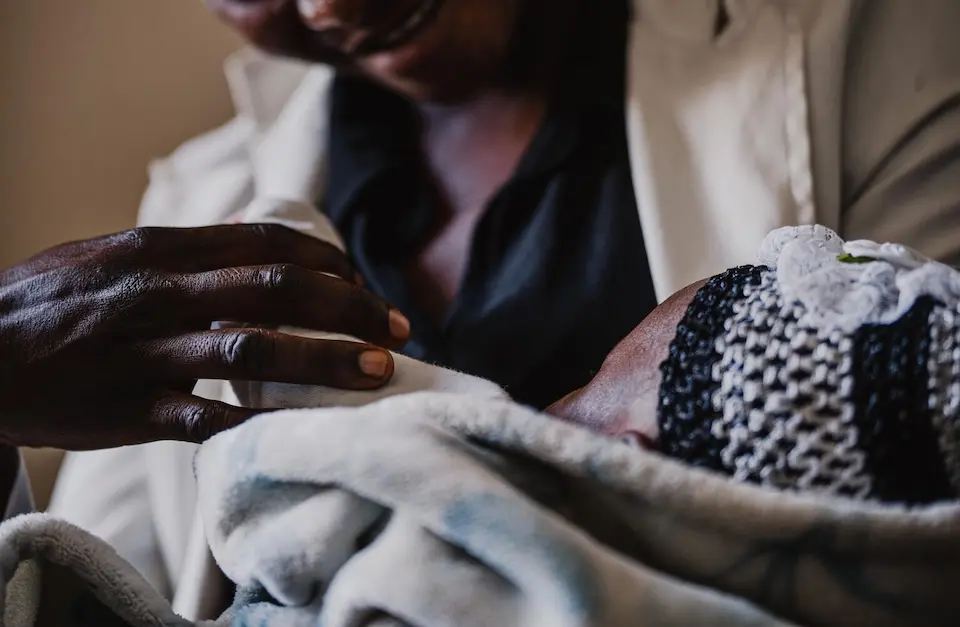
UNICEF support services are reaching survivors, but more funding is needed to improve access and mitigate risks
Survivors of sexual violence often suffer both physical and psychological damage, with lifelong consequences. They often face severe physical injuries, unwanted pregnancies and heightened risks of HIV and other sexually transmitted infections; deep emotional harm, including fear, anxiety and depression, social rejection and isolation. For many children, education is interrupted.
"Community attitudes often deepen the trauma," the UNICEF report states. "Survivors are blamed, rejected or silenced, while the perpetrators frequently go unpunished."
With timely, survivor-centered care, recovery is possible. But too many children still cannot access the support they need. Survivors face multiple barriers, including long distances to services, insecurity, shortages of essential supplies and limited trained staff, according to the report.
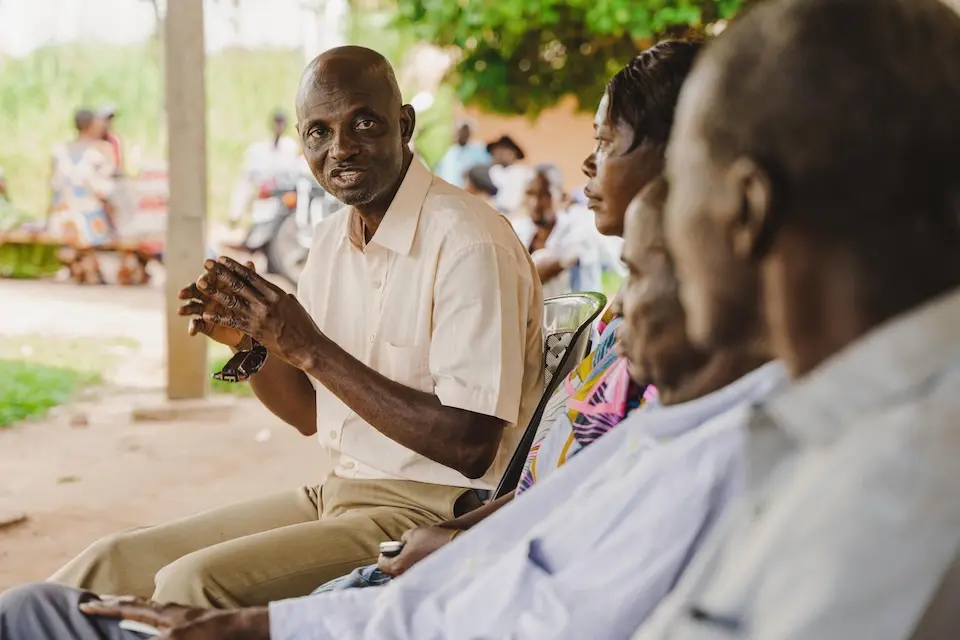
UNICEF works with partners in DRC to provide clinical care, psychosocial support, safe spaces and case management services. UNICEF has trained medical and social service staff, and has supported community campaigns aimed at prevention. UNICEF also works with national authorities and other partners to strengthen child-sensitive justice systems, expand access to legal aid and support survivors throughout the judicial process.
“We cannot change what they have endured but we can help them heal," said a psychosocial worker in Kinshasa who is quoted in the "Hidden Scars" report. "Each time a girl smiles again, it gives us the strength to continue.”
We cannot change what they have endured but we can help them heal. Each time a girl smiles again, it gives us the strength to continue. — psychosocial worker in Kinshasa
Between 2022 and 2024, the number of child survivors assisted by UNICEF rose by 143 percent, reaching more than 24,200 children across the most affected provinces in 2024 with medical care, psychosocial support, legal assistance and cash aid.
But needs continue to outpace available resources. And with recent funding cuts, UNICEF-supported safe spaces, mobile clinics and community-based protection programs have been forced to scale back or close.
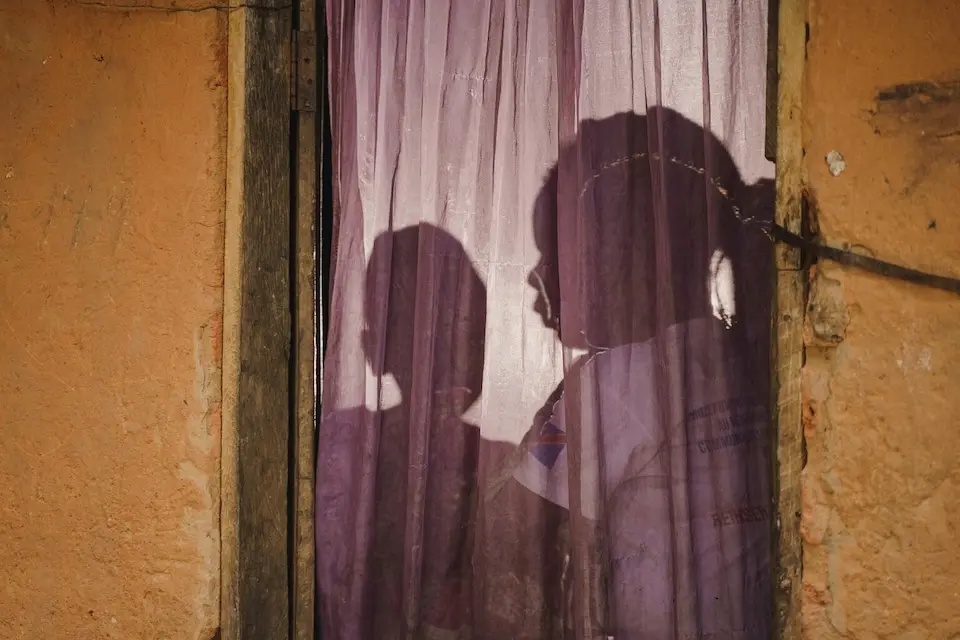
Some tangible progress
According to UNICEF, the DRC government has demonstrated a growing commitment to preventing and responding to sexual violence against children and women, and the "Hidden Scars" report notes there has been some tangible progress in both policy and practice.
The DRC Girls Forum, convened in 2022 with help from UNICEF, produced some concrete action, including the launch of the Toyokana initiative, named for a Lingala word meaning “Let’s listen to one another.”
Co-designed with adolescent girls, the initiative set up hundreds of safe spaces for girls affected by or at risk of sexual violence. The centers provide a range of support services, including basic medical check-ups and referrals, psychosocial counseling and opportunities to learn income-generating skills.
UNICEF points to the Toyokana safe spaces as an example of efforts that are working and need to be scaled and sustained. "It would be better if our work were widespread," Georgette Uma, a Toyokana center supervisor, told NPR.
Related: A safe space for girls who've faced sexual violence
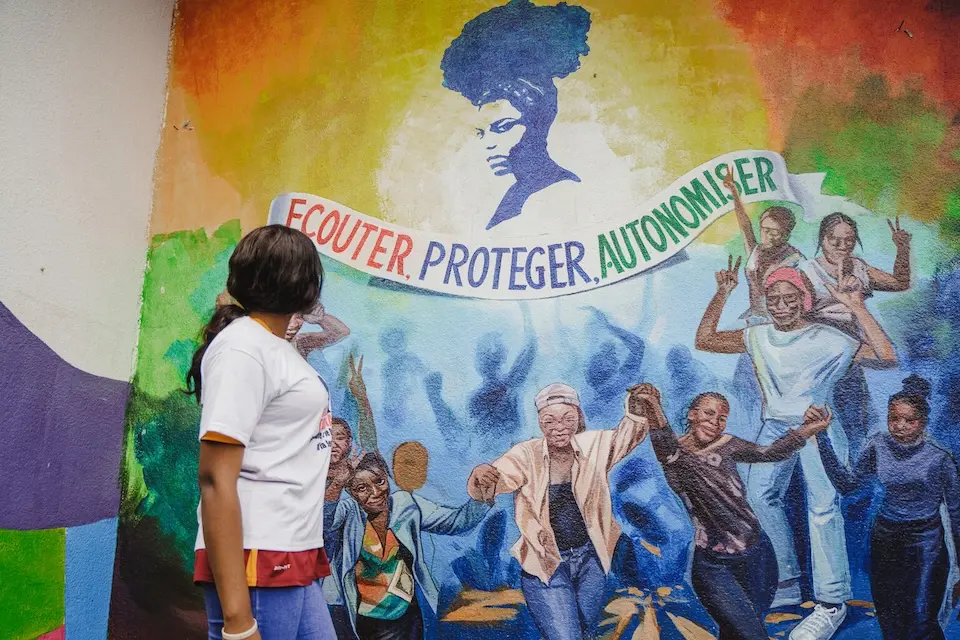
A call to action to end sexual violence against children in DRC
To tackle the crisis of sexual violence against children in DRC — one that UNICEF stresses cannot be solved through humanitarian assistance alone — UNICEF is urging the DRC government, all parties to the conflict there, civil society and international partners to work together to advance what works with increased and sustained investment and commitment. Priorities include:
- scaling up gender-based violence response services equipped to meet the specific needs of child survivors, including safe spaces, clinical care and mental health support
- facilitating survivors’ safe and confidential referrals to services
- increasing support for local women- and youth-led organizations on the front lines of response
- strengthening accountability by supporting investigations, prosecuting perpetrators, protecting survivors and witnesses and strengthening data collection and reporting
- expanding protection services and community-based prevention efforts
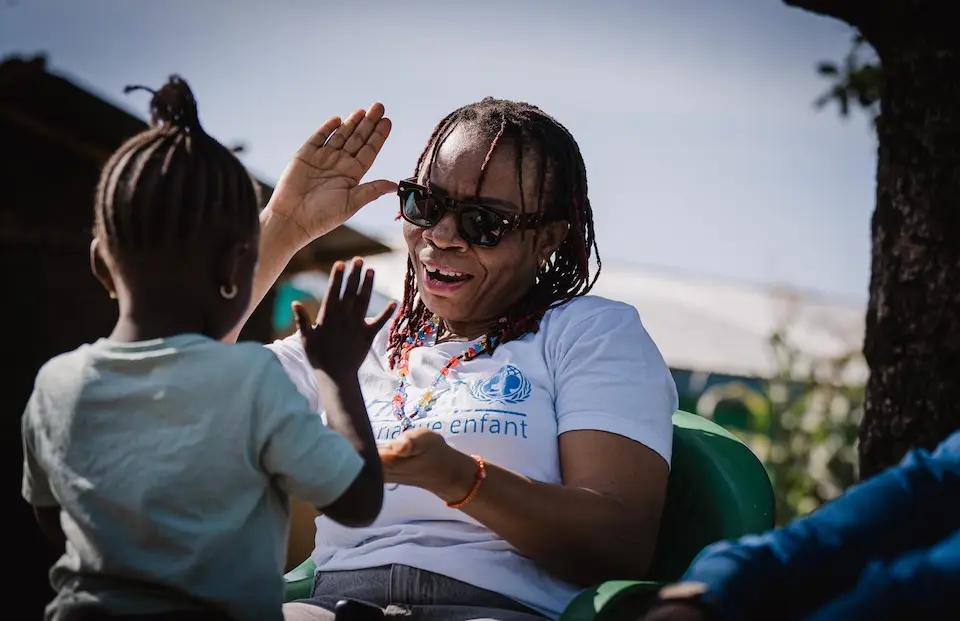
“Addressing this crisis of sexual violence requires an immediate response and adherence to international law in conflict settings," Russell said. "Perpetrators must be held accountable, and women and children must have access to protection and support."
Efforts to prevent, mitigate and respond to sexual violence against children in the DRC are critically underfunded.
Right now, the lives of the most vulnerable children hang in the balance as conflicts and crises jeopardize the care and protection that they deserve. Dependable, uninterrupted and effective foreign aid is critical to the well-being of millions of children. Please contact your members of Congress and urge them to support ongoing U.S. investments in foreign assistance.