Famine Confirmed in Gaza
Updated Aug. 26, 2025
Families face catastrophic conditions
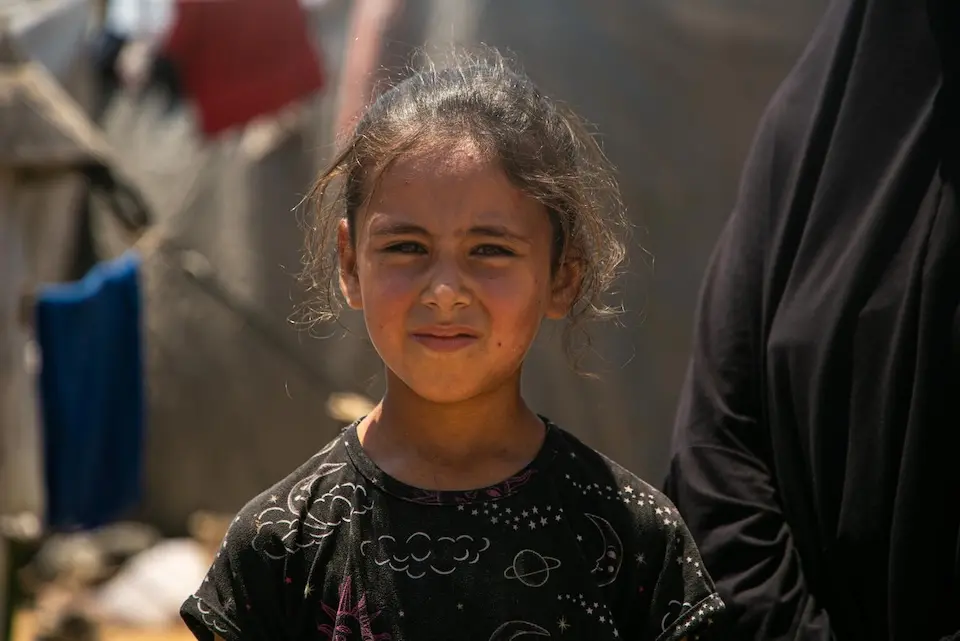
More than half a million people in Gaza are trapped in famine, marked by widespread starvation, destitution and preventable deaths, according to the latest Integrated Food Security Phase Classification (IPC) analysis, released Aug. 22, 2025. Famine conditions are projected to spread from Gaza Governorate to Deir Al Balah and Khan Younis Governorates in the coming weeks.
This is the first time a famine has been officially confirmed in the Middle East.
Watch the video: UNICEF's Tess Ingram reports from Deir Al Balah
UNICEF, The Food and Agriculture Organization of the United Nations (FAO), the United Nations World Food Programme (WFP) and the World Health Organization (WHO) are calling for an immediate ceasefire and an end to the conflict to allow unimpeded, large-scale humanitarian response that can save lives.
The agencies are also gravely concerned about the threat of an intensified military offensive in Gaza City and any escalation in the conflict, which would have further devastating consequences for civilians, where famine conditions already exist. Many people — especially sick and malnourished children, older people and people with disabilities — may be unable to evacuate.
The number of children suffering from acute malnutrition is rising sharply
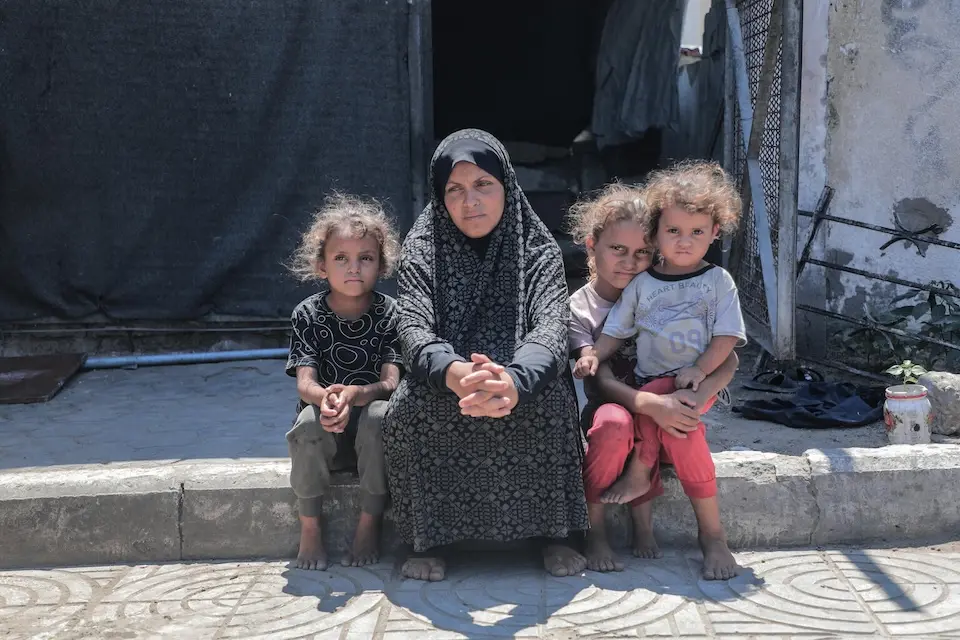
Relentless conflict, the collapse of essential services and severe limitations on the delivery and distribution of humanitarian assistance have led to catastrophic food insecurity for hundreds of thousands of people in Gaza. More than one in three — 39 percent — are going days without eating.
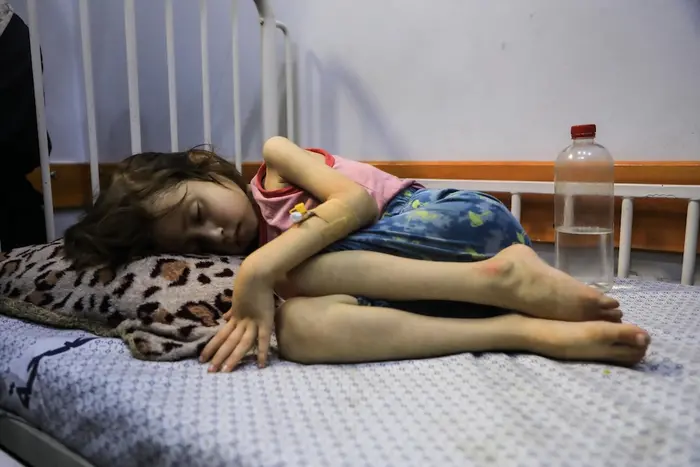
In June, 6,500 children were admitted to Gaza hospitals for malnutrition treatment. By July, an additional 13,000 children had been diagnosed with acute malnutrition — the highest monthly figure ever recorded, and a staggering six-fold jump from February.
Children in the Gaza Strip are starving to death. Severe malnutrition is spreading among children faster than aid can reach them, and the world is watching it happen. — Edouard Beigbeder, UNICEF Regional Director for the Middle East and North Africa
July was also Gaza’s deadliest month for child malnutrition deaths: 24 children under 5 died, bringing the total number of Palestinian children who have died from malnutrition since the start of the war to 112.
Since the last IPC Analysis in May, the number of children expected to be at severe risk of death from malnutrition by the end of June 2026 has tripled from 14,100 to 43,400.
"Children in the Gaza Strip are starving to death," Edouard Beigbeder, UNICEF Regional Director for the Middle East and North Africa, said on July 24. “Severe malnutrition is spreading among children faster than aid can reach them, and the world is watching it happen."
More than 18,400 Palestinian children have been killed since the start of the war in October 2023. Over 45,000 children have been maimed.
Why are children starving in Gaza?
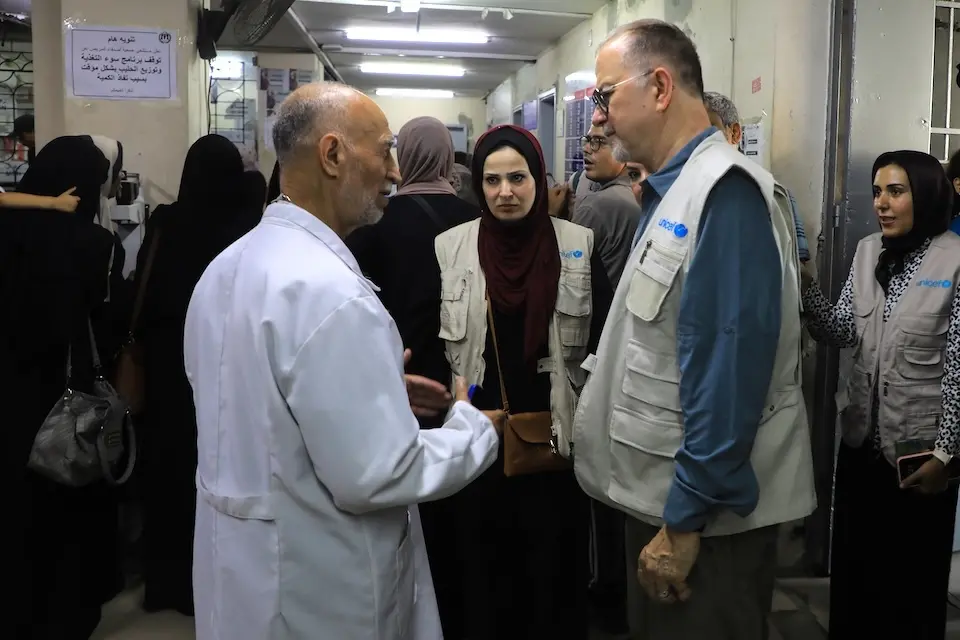
Since May 19, after nearly 11 weeks of a total blockade, only a trickle of aid has been allowed into the Gaza Strip. Thousands of trucks loaded with therapeutic food and other lifesaving supplies are lined up at border crossings, waiting permission to enter.
By Aug. 20, 3,500 UN and international NGO trucks had reached the Karem Shalom and Zikim crossings, including 424 UNICEF trucks; 329 truckloads of UNICEF supplies had been collected from the crossings for distribution, including ready-to-use infant formula, ready-to-use complementary food, high-energy biscuits, vaccines, diapers, hygiene kits, dignity kits and disability kits.
Watch the video: UNICEF staff put their lives at risk to deliver supplies for children

Despite this partial reopening of crossings, the amount of goods reaching Gaza is nowhere near what a population of over 2 million people needs every month. Cash is critically scarce in Gaza and food prices are extremely high, 150–700 percent higher than pre-conflict levels, with essential items largely unavailable.
Approximately 98 percent of cropland in the territory is damaged or inaccessible — decimating the agriculture sector and local food production — and nine of ten people have been serially displaced from their homes.
Related: Pressing for More Access, UNICEF Delivers Urgently Needed Supplies to Gaza
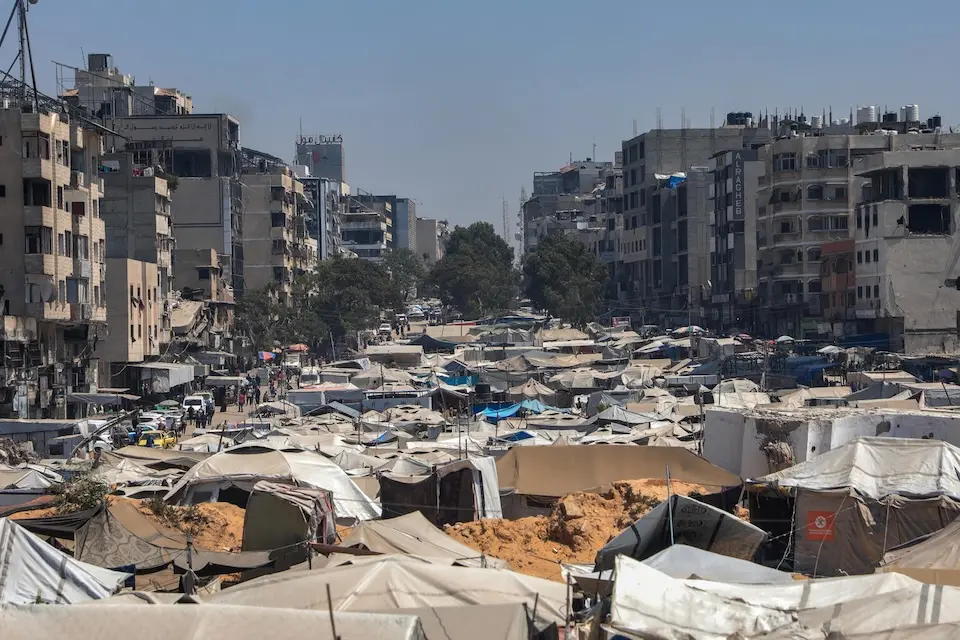
Without an immediate ceasefire and full humanitarian access, famine will spread
"Famine is now a grim reality for children in Gaza Governorate, and a looming threat in Deir al-Balah and Khan Younis," said UNICEF Executive Director Catherine Russell.
"As we have repeatedly warned, the signs were unmistakeable: children with wasted bodies, too weak to cry or eat; babies dying from hunger and preventable disease; parents arriving at clinics with nothing to feed their children," Russell continued. "There is no time to lose. Without an immediate ceasefire and full humanitarian access, famine will spread, and more children will die. Children on the brink of starvation need the special therapeutic feeding that UNICEF provides."
Your support for UNICEF is more important than ever. Donate now.