I AM #ForEveryChild
When some take a step back, who is going to step forward and stand up for children’s rights?
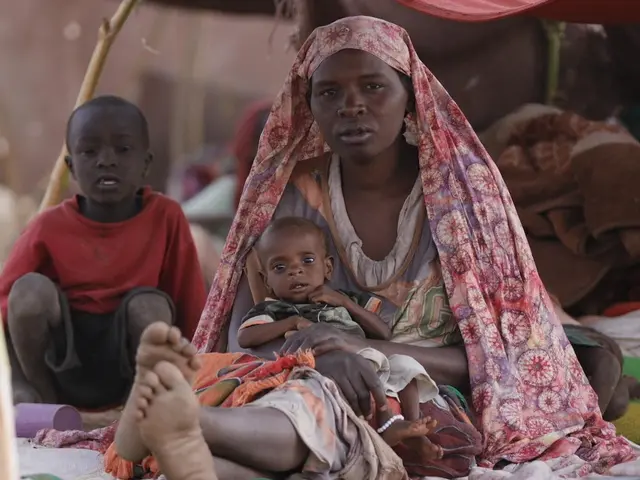
Nearly 1 in 5 children are
caught up in or fleeing war
Every day is a struggle to survive for children living amidst war, displacement, hunger and neglect. And now funding cuts have stopped critical humanitarian aid many can't live without. UNICEF works tirelessly to help as many children as possible, but every cut puts more at risk.
I AM #ForEveryChild
Your gift today helps UNICEF deliver lifesaving support where it’s needed most.
Donate Now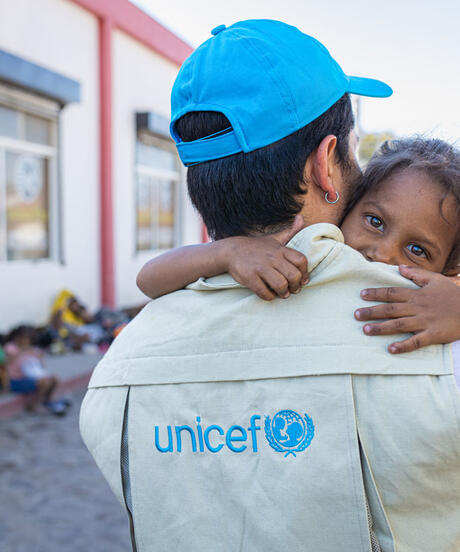
Support UNICEF in building a brighter future for children
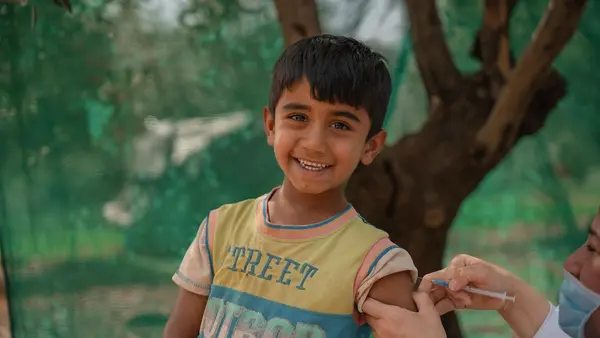
Since 1990, UNICEF has helped vaccinate nearly half the world’s children under 5 against deadly preventable diseases like measles and polio. UNICEF has also helped reduce severe acute malnutrition by one-third since 2000 and decreased under-5 mortality by 60 percent. Fifty-five million children are alive today thanks to these lifesaving interventions.

Childhood Immunization

Early Childhood Development

Water and Sanitation

Pre-primary Education
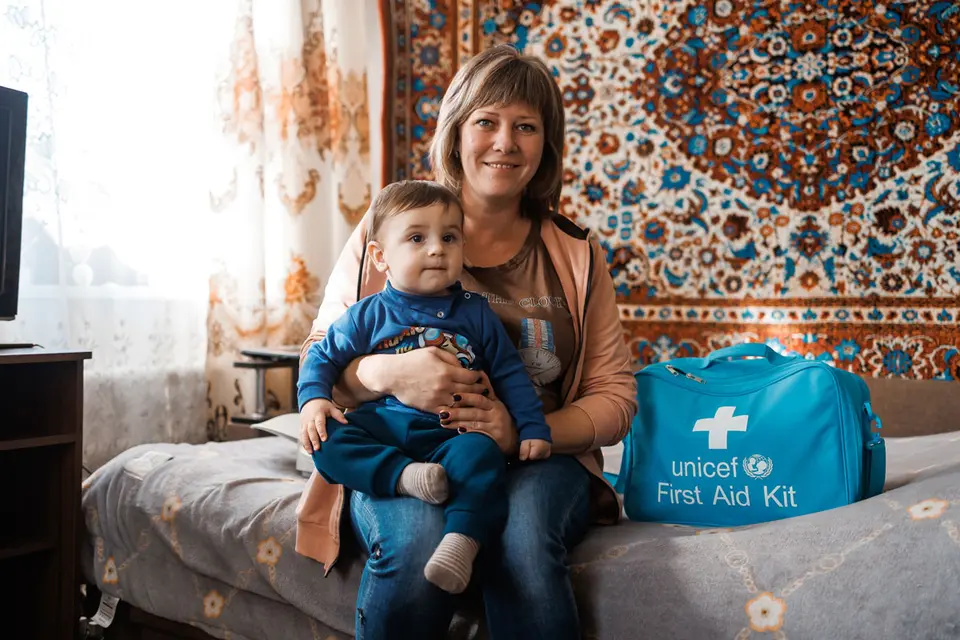
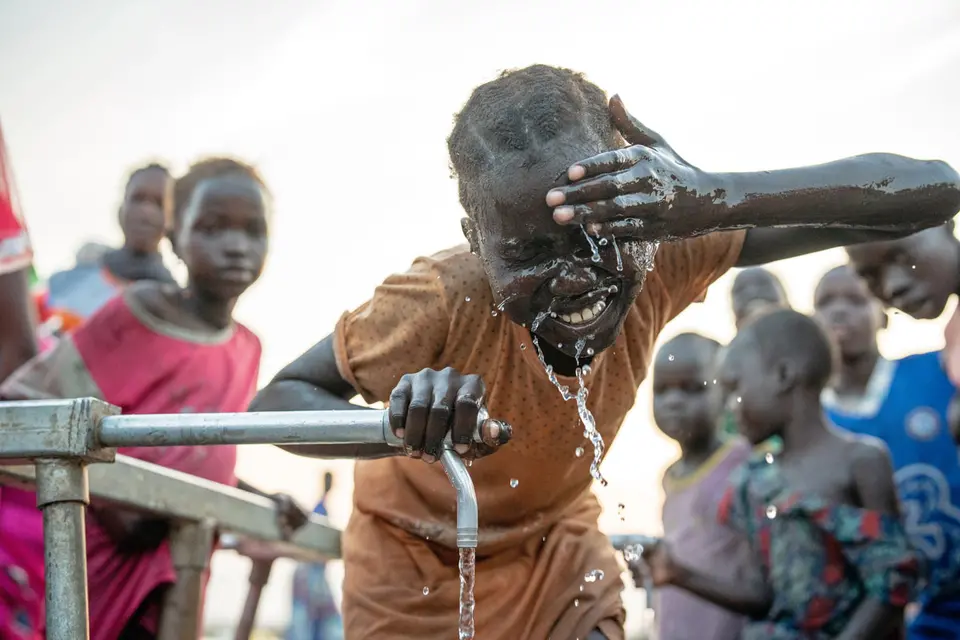
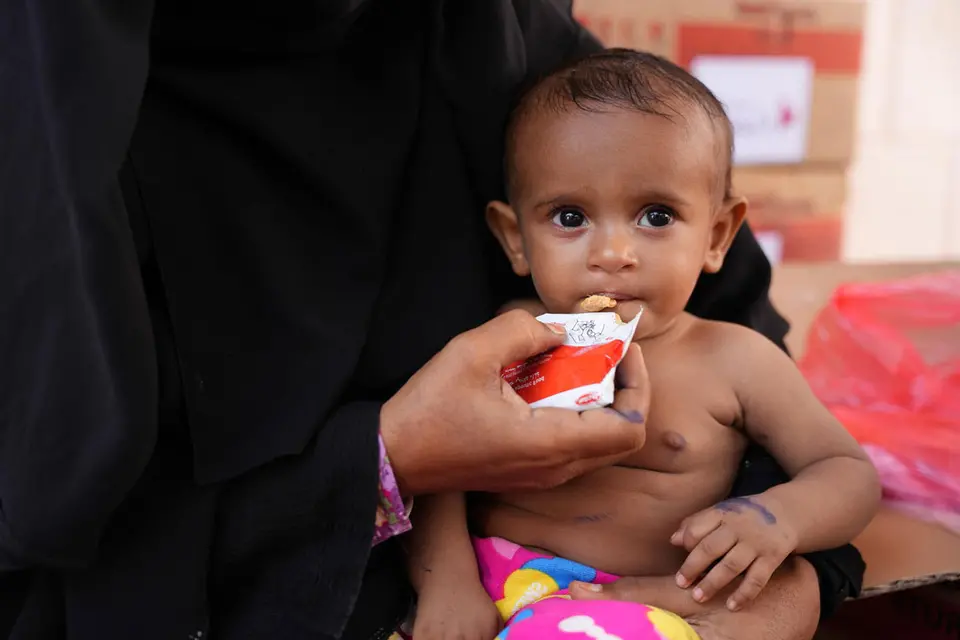
How Will My Donation Help Children in Crisis?
More Ways to Support UNICEF

Donate Monthly
Donate

Give an Inspired Gift
Shop Now

Start a Fundraiser
Start Now

Donor Advised Funds
Learn More
Donation FAQ
How are foreign aid cuts impacting UNICEF’s work for children?
Children around the world are facing unprecedented challenges, and UNICEF, along with many other humanitarian organizations, is experiencing a global funding crisis. UNICEF programs and support that children need to survive, grow and thrive are on the line.
How serious is the impact of funding cuts on children right now?
The impact is devastating. At least 14 million children are expected to face disruptions to nutrition support and services this year due to recent and anticipated global funding cuts. More than 20 million children are expected to be deprived of essential health care. For children caught in humanitarian crisis - whether from conflicts, displacement, extreme poverty or climate disasters - foreign aid can be the difference between life and death.
What happens when funding gets cut for children in crisis?
The funding cuts have already rolled back some hard-won progress in children’s health and nutrition. UNICEF estimates that more than 213 million children in 146 countries and territories require humanitarian assistance this year.
What does UNICEF do for children that my donation supports?
Your donation directly supports lifesaving and life-sustaining programs that help children survive and thrive:
- Health: Providing vaccines, medical care and emergency health services
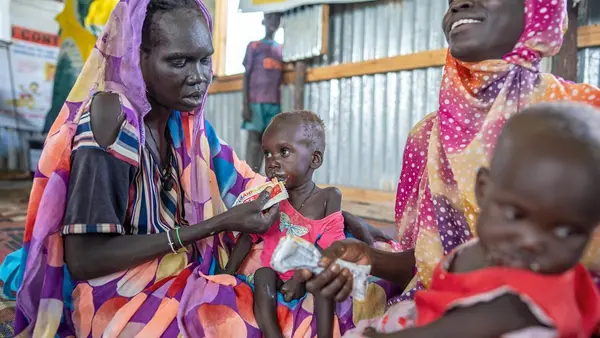
- Nutrition: Fighting malnutrition, ensuring children get the nutrients they need to grow
- Clean water and sanitation: Delivering safe water and proper sanitation to prevent disease
- Education: Getting children into school and keeping them learning
- Protection: Keep children safe from violence, exploitation and abuse
How does UNICEF ensure donations reach children who need help most?
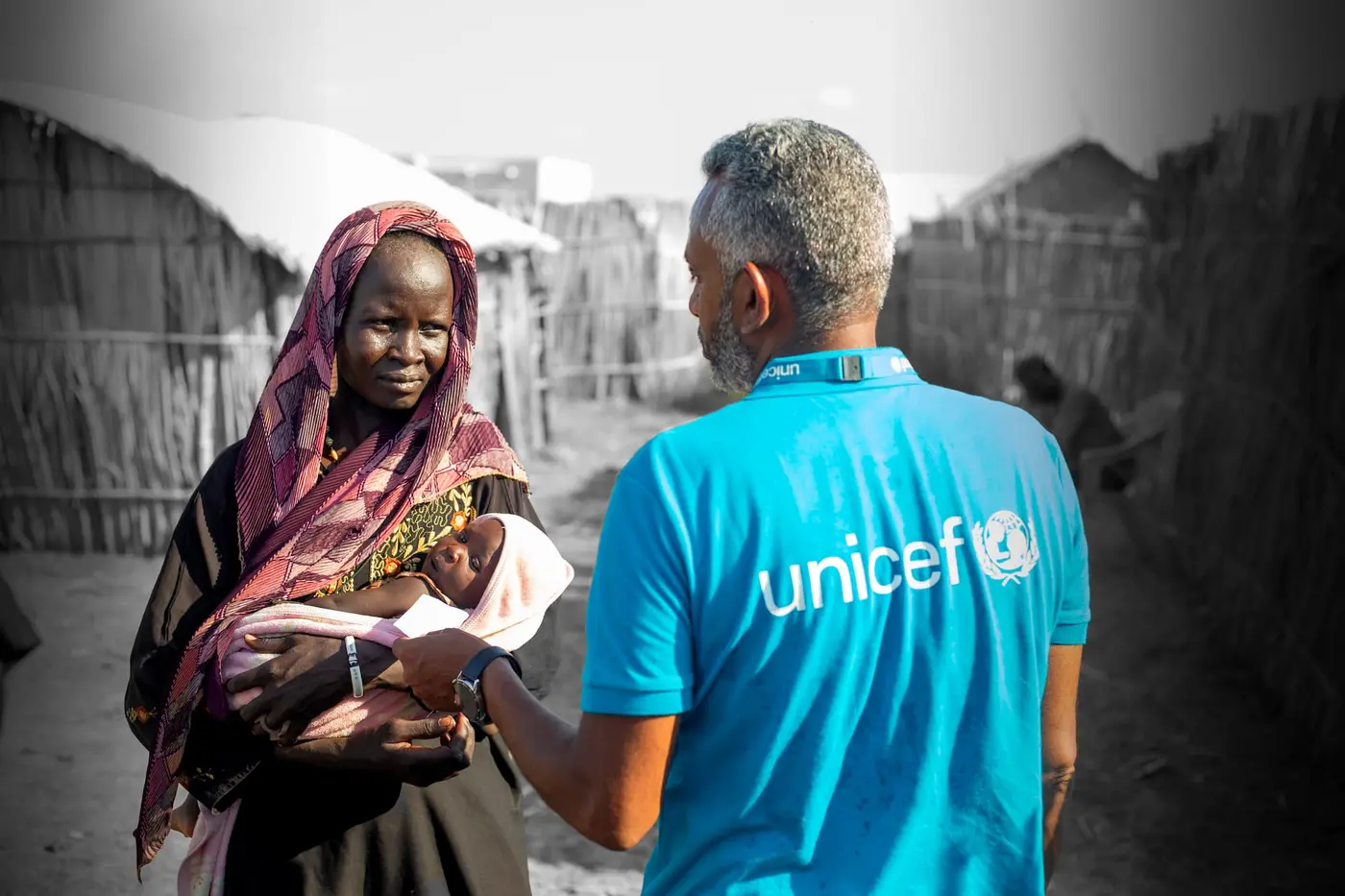
UNICEF focuses resources on what truly matters most for children’s survival and well-being. Amidst declining international assistance, UNICEF is drawing upon its agility and innovation to provide continuous programming for children and reach communities as quickly as possible.
Why should I donate to UNICEF specifically during this crisis?
During times of reduced funding, UNICEF’s work for children becomes even more critical. Your support, combined with UNICEF’s global reach, expertise and partnerships, helps ensure vulnerable children living in some of the world’s toughest places can get what they need, when they need it.
How are foreign aid cuts impacting UNICEF’s work for children?
Children around the world are facing unprecedented challenges, and UNICEF, along with many other humanitarian organizations, is experiencing a global funding crisis. UNICEF programs and support that children need to survive, grow and thrive are on the line.
How serious is the impact of funding cuts on children right now?
The impact is devastating. At least 14 million children are expected to face disruptions to nutrition support and services this year due to recent and anticipated global funding cuts. More than 20 million children are expected to be deprived of essential health care. For children caught in humanitarian crisis - whether from conflicts, displacement, extreme poverty or climate disasters - foreign aid can be the difference between life and death.
What happens when funding gets cut for children in crisis?
The funding cuts have already rolled back some hard-won progress in children’s health and nutrition. UNICEF estimates that more than 213 million children in 146 countries and territories require humanitarian assistance this year.
What does UNICEF do for children that my donation supports?
Your donation directly supports lifesaving and life-sustaining programs that help children survive and thrive:
- Health: Providing vaccines, medical care and emergency health services
- Nutrition: Fighting malnutrition, ensuring children get the nutrients they need to grow
- Clean water and sanitation: Delivering safe water and proper sanitation to prevent disease
- Education: Getting children into school and keeping them learning
- Protection: Keep children safe from violence, exploitation and abuse
How does UNICEF ensure donations reach children who need help most?
UNICEF focuses resources on what truly matters most for children’s survival and well-being. Amidst declining international assistance, UNICEF is drawing upon its agility and innovation to provide continuous programming for children and reach communities as quickly as possible.
Why should I donate to UNICEF specifically during this crisis?
During times of reduced funding, UNICEF’s work for children becomes even more critical. Your support, combined with UNICEF’s global reach, expertise and partnerships, helps ensure vulnerable children living in some of the world’s toughest places can get what they need, when they need it.