Child Protection
Every day, millions of children are denied their fundamental right to protection. They face violence and exploitation. Conflicts, disasters and trafficking tear many from their families and homes. Others are forced to work in dangerous conditions in fields, mines and streets, or forcibly recruited and used by armed groups. UNICEF works with families, communities and governments to prevent these harms, care for survivors and strengthen the services and systems that keep children safe.
Help protect children globally by supporting UNICEF programs
What are child protection risks — and how is UNICEF protecting children?
Every year, over 1 billion children experience some form of emotional, physical or sexual violence. For example:
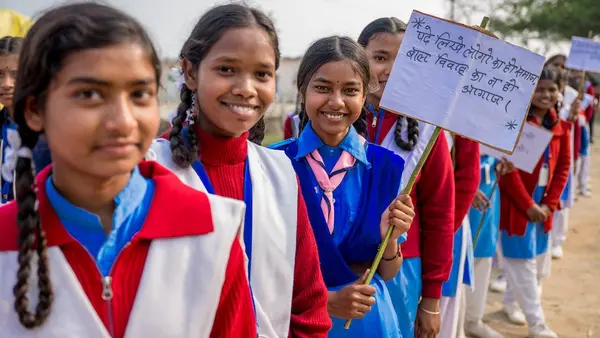
Children are often forced into early marriage: climate disasters like severe drought in the Horn of Africa and other humanitarian crises are increasing the number of girls at risk of child marriage.
Children are often forced into child labor: An estimated 138 million children globally are working instead of attending school — many in hazardous conditions.
Nearly a quarter of the world’s children are living "off the record" — their births never registered, they are invisible to their governments and at risk of missing out on health care, schooling and other social safety nets.
Close to 1 in 5 children live in countries affected by violent conflict, at great risk to their health, safety and future well-being.
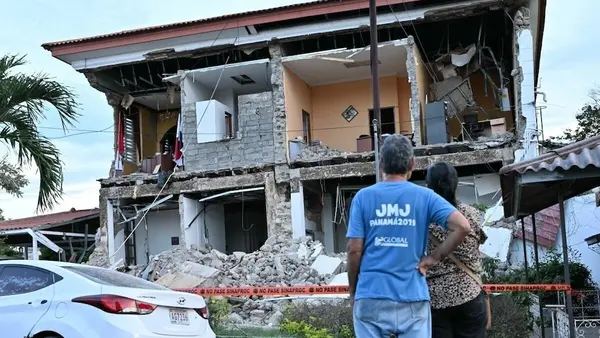
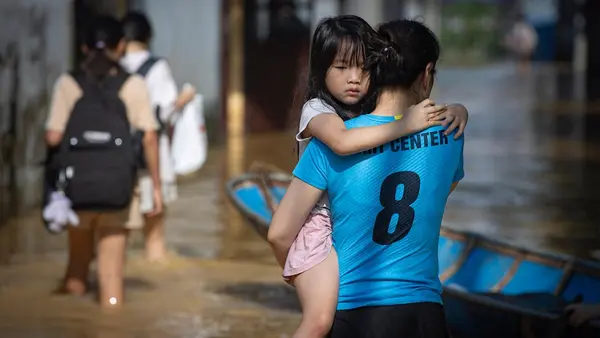
Factors such as poverty, displacement, disability, discrimination, family separation and humanitarian emergencies all increase children's vulnerability to violence and exploitation.
UNICEF and partners work to prevent and respond to violence, exploitation and abuse
UNICEF works to prevent and respond to all forms of violence and abuse against children, including commercial sexual exploitation, trafficking, child labor, child marriage, female genital mutilation and other harmful practices.
UNICEF focuses on protecting the most vulnerable, including children on the move and children living in areas affected by conflict or disaster.
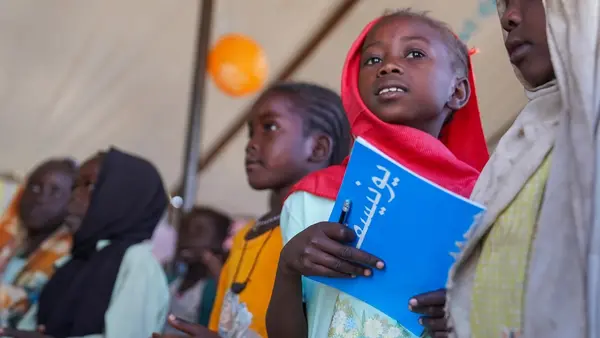
In practice, UNICEF's child protection work ranges from building systems for universal birth registration to establishing safe learning spaces in a war zone. UNICEF supports the release of children who exit armed forces and groups, connecting them with psychosocial support and and other services to ease their reintegration back into their communities. There are specialized support services for survivors of gender-based violence.
Another important component of child protection work is educating and supporting families to reduce the risk of violence against children at home. While supporting parents and caregivers through parenting initiatives, UNICEF also works with communities to tackle harmful behaviors and social norms, advocating for social change that promotes safer environments for children.
Working with national and local governments, UNICEF also advises and assists on child protection legislation and advocates for stronger protections for children online.
Related UNICEF report: How Digital Technologies Enable Child Sexual Abuse
In the United States, UNICEF USA works with cities and communities to promote child-centered governance practices aimed at improving the lives of young people and safeguarding their rights. Through the Child Friendly Cities Initiative, local governments work with UNICEF USA to establish policies that ensure safer, more just, equitable, inclusive and child-responsive communities.
Frequently asked questions about child protection
What is child protection?
Child protection is preventing and responding to violence, exploitation, abuse, neglect and harmful practices that adversely affect children's health, safety and well-being. Child protection also refers to services and systems that identify and reduce risk and support recovery and child safety.
How does UNICEF help protect children?
UNICEF works with governments, communities and families to prevent harm and create safer environments for children. Working at the national and local level, UNICEF helps strengthen social safety nets and improve access to protection services.
How is child protection different from children’s rights?
Children’s rights include the full range of rights every child holds by simply being born — like the right to be healthy and the right to learn, for example — while child protection focuses specifically on preventing and responding to threats to children’s safety.