Sign up

Why subscribe?

Japan Earthquake

Earthquake in Japan

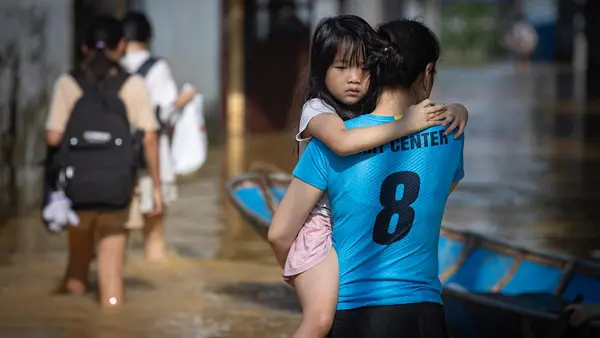
On March 11, 2011 an earthquake measuring 9.0 magnitude was followed by a massive tsunami in northeastern Japan, washing away entire communities in coastal areas. The extent of the devastation is enormous. Compounding concerns about children's safety is an ongoing struggle to contain radiation exposure from a damaged nuclear reactor.

Since 1955, the Japan Committe for UNICEF has raised fund for UNICEF's lifesaving work around the world.  Japan has been a valuable contributor to UNICEF's relief efforts on behalf of children worldwide, which is why UNICEF took the unprecedented action of raising funds for children in Japan affected by the earthquake and tsunami.

Today, the Japan Committee for UNICEF remains involved in relief efforts, providing for the children affected by the earthquake in Japan:

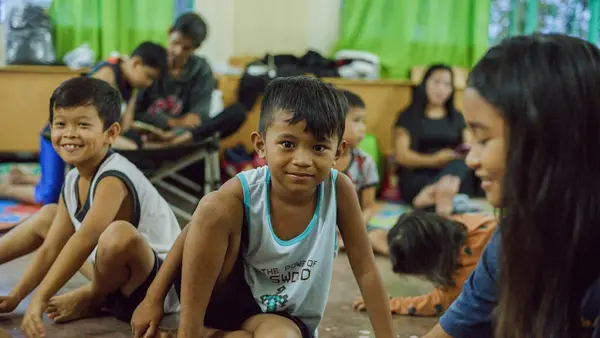
  • Recreation kits and children's underwear;
  • School supplies for children starting a new term in April;
  • Safe drinking water for Fuskushima and Miyagi prefectures;
  • Distribution of emergency non-food items;
  • Back-to-School kits to partners and local governments.

Haiti earthquake recovery

UNICEF is on the ground in Haiti, where recovery efforts following the January 2010 earthquake that killed at least 800,000 people and left hundreds of thousands of children in Haiti vulnerable continue.

Read the latest report on UNICEF's relief efforts in Haiti, including work to provide protection, child immunization, clean water, and basic quality education for Haiti's children.   

More earthquake relief stories

February 9, 2012

Improving water and sanitation in Haiti

An important part of UNICEF's recovery work in Haiti is focused on improving water, sanitation, and hygiene (WASH). Following the devastating earthquake many displaced Haitians were forced to live in camps with limited access to clean water and sanitation. A devastating cholera outbreak made access to clean drinking water and proper sanitation more important than ever. UNICEF is providing WASH services in camps and is also providing schools with chlorine tabs, posters about cholera prevention and soap.

January 20, 2012

Playing, learning and recovering in Haiti

It might look like simple fun, but the dominos, coloring pencils, construction blocks, hand puppets, puzzle pieces and memory games are about more than just a good time for children in Haiti. They are part of the thousands of early childhood development kits UNICEF has distributed since Haiti’s devastating earthquake to reintroduce normalcy and stability to the lives of children. The kits are part of a broader UNICEF program to help children recover from the trauma and prepare them for years of learning and growth.

January 13, 2012

Two years after the earthquake, victories for Haiti’s children

Since the 2010 catastrophe, UNICEF has helped more than 750,000 children to return to school. Some 80,000 of these children now attend classes in 193 safe, earthquake-resistant schools constructed by UNICEF. In addition, with UNICEF support, over 120,000 children are enjoying structured play in 520 child-friendly spaces. More than 15,000 malnourished children have received life-saving care through 314 UNICEF-supported therapeutic feeding programmes.


send icon

HUMANITARIAN ACTION REPORT

Humantarian Action Report 2011

Click here to view the Humanitarian Action Report, or right click to save it to your desktop.

Fieldnotes Blog RSS 

February 22, 2012

A UNICEF emergency simulation: an eye opening experience

Full Post

February 17, 2012

Compassion to action, inspiration from a 7-year-old

Full Post

February 13, 2012

No ordinary Valentine’s Day card

Full Post

zero_btn_rt_col_21k
 COMMUNITY- FacebookCOMMUNITY- TwitterCOMMUNITY-YouTubeCOMMUNITY-Flickr