Earthquake Relief
When disaster strikes, UNICEF is often among the first on the ground, prepositioning supplies, supporting response efforts and assisting with the recovery.
Updated July 27, 2026
What happens when an earthquake strikes
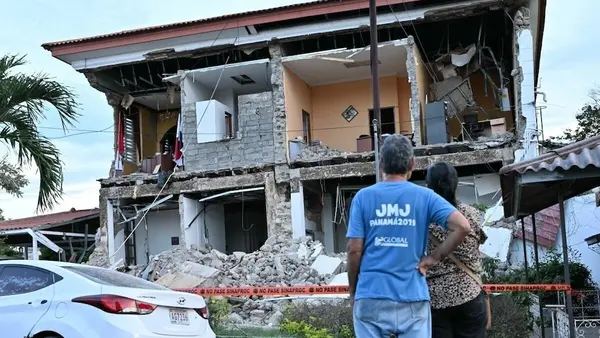
One shattering moment can wreck a community and leave children traumatized, displaced and vulnerable to disease. Earthquakes — like the two powerful back-to-back quakes that struck Venezuela on June 24, 2026 — are especially devastating, with physical, social and economic impacts that are felt for generations.
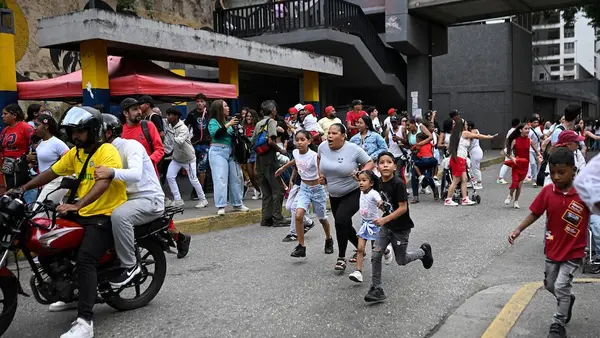
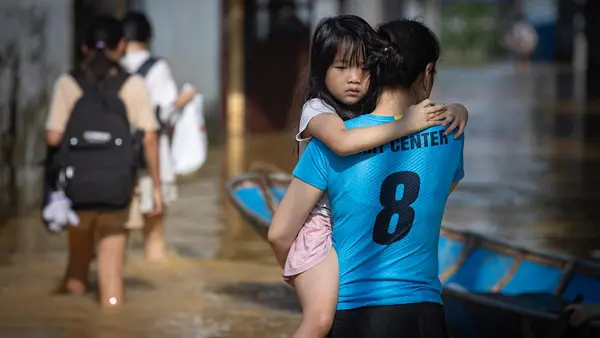
Children are disproportionately affected by natural disasters like earthquakes. Families can become separated, schooling can be disrupted, access to safe water, food, shelter and health services become difficult or impossible.
And in the wake of such a disaster, poverty often rises. Children without the protection of parents or an education face higher risks of abuse and exploitation.
How UNICEF helps children after an earthquake
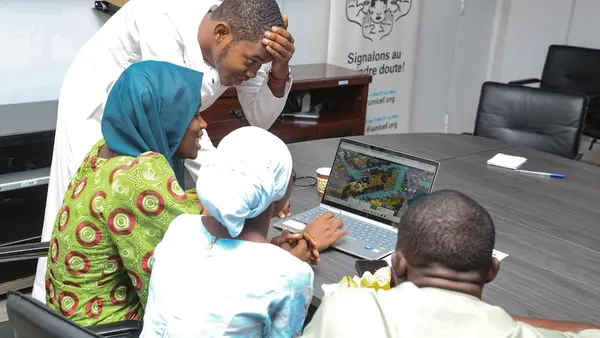
When an earthquake strikes, UNICEF has the capability to respond immediately with prepositioned supplies, supporting response efforts and assisting with the recovery.
UNICEF operates the largest humanitarian supply warehouse in the world. Through its network, UNICEF can deliver urgently-needed items anywhere in the world within 48 to 72 hours.
From Mexico to the Philippines to Haiti and beyond, UNICEF has helped rebuild communities post-quake for decades. Providing both immediate and long-term assistance, UNICEF helps ensure that children can continue to learn, receive health care and psychosocial support, access adequate nutrition, safe water, sanitation and hygiene services and stay safe from harm.
UNICEF also works to reunite children who have been separated from their family and helps ensure adequate care for those who are orphaned.
In Venezuela, local UNICEF teams were immediately deployed following the two strongest quakes the country has seen in over 100 years.
"When you see the damage and destruction that these earthquakes wrought, it really underlines that children are going to be in need of huge amounts of support in every area of their life," UNICEF Spokesperson Joe English told ABC News on day two of the June 2026 earthquake response. "In the days ahead, it will be critical that we are able to get to children with safe drinking water, with psychosocial support so they can process what they've experienced, and ultimately get them back into school, to return them to a sense of normality so they can begin to rebuild their lives."
Learn more about UNICEF's response to the earthquake emergency in Venezuela
Support UNICEF emergency response
Read about how UNICEF supported children after major earthquakes hit Myanmar in 2025 and Turkïye and Syria in 2023