Children in War Zones: How Conflict Affects Kids
UNICEF helps save and protect children caught in war and violence through evidence-based interventions and response services around the world. Learn more, including how to help children in conflict.
Children in war zones face devastating — and often deadly — consequences
Conflicts in the Middle East, Sudan and Ukraine continue to dominate headlines, while some 120 "forgotten" wars rage on in regions worldwide.
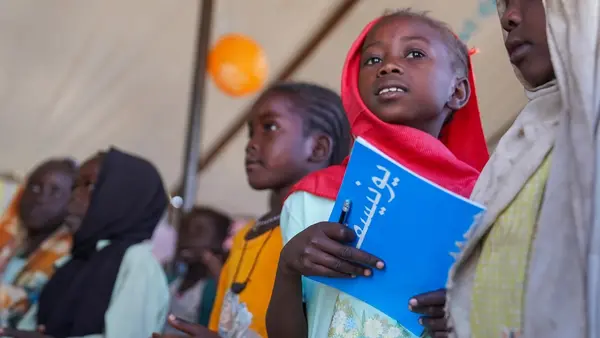
UNICEF estimates that between 473 million and 520 million children — more than 1 in 5 — are currently living in or fleeing from active conflict zones.
The impacts of war on children can be both immediate and long-lasting, affecting their safety, health, education and development — virtually ever aspect of their lives.
Often forced to flee their homes in search of safety, many children affected by conflict remain displaced for extended periods of time. Some never return home. Some are orphaned or separated from parents and caregivers.
Grave violations are a daily reality for these children, and the number of verified cases continues to increase year after year. Urban warfare puts kids at extraordinary risk. Conflicts fought in densely populated cities destroy the services children rely on for survival: water, sanitation, power systems and health facilities.
Unexploded ordnance continues to threaten children's lives long after active fighting stops; explosive weapons now account for more than 60 percent of child casualties.
UNICEF works alongside partners to meet the urgent needs of children living in conflict areas in such places as Gaza, Haiti, Sudan, Syria, Ukraine and Yemen, among many others. In Iran, UNICEF strongly advocates with the Iranian authorities for the protection of children from violence and the release of all children arrested or detained.
Related: UNICEF statement on the impact of military escalation on children in the Middle East
Emergencies and armed conflicts heighten risks of child exploitation and trafficking
When protection systems erode, children pay the highest price. Children are especially vulnerable to abuse, exploitation and trafficking during emergencies and armed conflicts. As violence increases, the connection between children and war becomes tragically visible through killing, maiming, sexual violence, abductions and armed recruitment of children as well as attacks on schools and hospitals. Perpetrators are rarely held accountable.
Recurring violence continues to endanger children in the conflict zones of Burkina Faso, the Central African Republic (CAR), the Democratic Republic of the Congo (DRC), Nigeria and South Sudan. Boko Haram, a violent Islamist insurgency, and other armed groups have terrorized communities in Nigeria and around West Africa's Lake Chad Basin for years.
In all of these countries and regions, UNICEF remains on the ground, working with partners to deliver lifesaving assistance and protection to support children in war and to safeguard their rights.
How UNICEF is helping children in conflict zones
UNICEF and partners work to prevent and respond to violence against children. UNICEF collaborates with governments and across the health, education and other social sectors — including the justice system — and partners with business and other sectors.
At the national and local levels, UNICEF and partners are:
- helping strengthen laws and policies to improve public service delivery for children and families in their homes, communities and schools
- supporting parents and caregivers through parenting initiatives
- consulting young people to ensure their voices are heard and their views leveraged to help shape UNICEF programming
- addressing harmful behaviors and social norms in communities and advocating for social change that promotes safer environments
UNICEF plays a pivotal role in establishing global alliances and setting technical guidance to comprehensively address violence against children. By improving data availability and building evidence, we help raise awareness, enhance political will and hold decision makers to account.
Specific interventions and program efforts include:
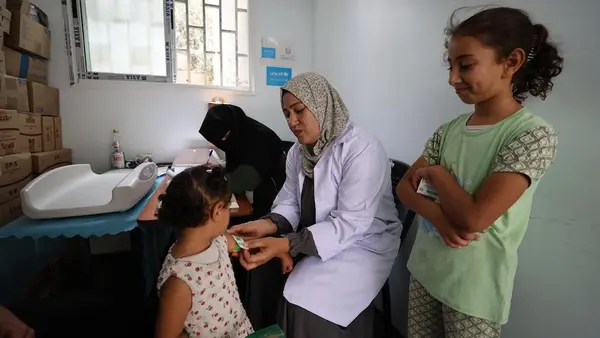
- providing emergency relief to children affected by war, including medical care, safe water and sanitation, hygiene kits and more
- caring for and working to reunite children who have been separated from their families
- creating and supporting child-friendly spaces that give children a safe space to rest, play, learn and receive psychosocial support
- helping to stop systematic sexual abuse — often a weapon of war — and providing recovery services for victims
- protecting children from military conscription, facilitating the release of children recruited by armed groups and supporting their reintegration back into their communities
- supporting millions of children in areas affected by landmines and explosive weapons with prevention and survivor assistance interventions
UNICEF calls on all warring parties to abide by their obligations under international law and to immediately end violations against children and the targeting of civilian infrastructure, including schools, hospitals and water sources.
UNICEF also calls on states with influence over parties to conflict to use that influence to protect children in war and conflict — and to hold accountable those who violate children's rights.
Guidance for parents and caregivers: How to talk to your children about conflict and war
Help UNICEF reach more children in conflict zones with lifesaving assistance and protection services. Donate today.
UNICEF USA complies with U.S. sanctions restrictions, and, as such, we do not accept funds specifically designated for programs in Iran. We do, however, raise funds for UNICEF programming in the MENA region.
Frequently asked questions about children in war zones
How does war affect children?
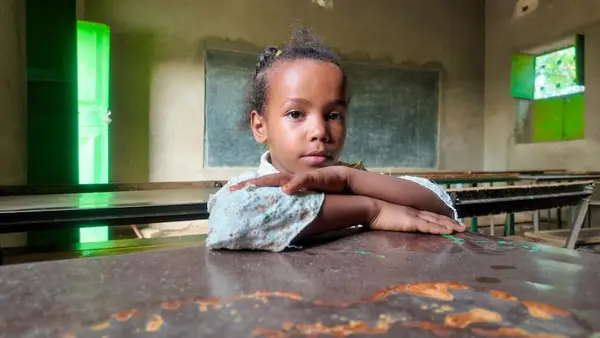
Children of war are affected physically, emotionally and developmentally. Children may be injured or killed. They may go hungry, or lose access to clean water, health care and school. They are often forced to flee their homes. Kids in war zones also face higher risks of exploitation and often continue to experience trauma long after fighting ends. The impact of war on children can last a lifetime.
Why and how are children used for war?
In some wars and conflicts, children are recruited and used by armed forces or armed groups in ways that exploit their vulnerability. They may be forced to be soldiers, messengers, guards or cooks, or coerced into other support roles. UNICEF works to prevent recruitment, advocates for the release of children and supports their safe reintegration into communities.
Related: Learn how UNICEF works to protect children in armed conflict— specifically children recruited by armed groups
How can I help children affected by war or disaster?
You can help children affected by war or disaster by supporting humanitarian organizations like UNICEF that provide emergency relief in conflict zones. Donations help deliver clean water, medical care, nutrition, education and protection services to children in conflict while protecting those most vulnerable around the world.
How can I talk about war with children?
Start by asking what your child already knows, then keep your explanations simple and age-appropriate. Offer reassurance, correct misinformation and limit repeated exposure to upsetting images or headlines. Invite questions, listen without rushing to make them feel better and share ways people help, so the conversation includes hope as well as honesty
For detailed guidance, read: How to talk to your children about conflict and war
You can also explore: 5 tips for dealing with uncertainty in times of war