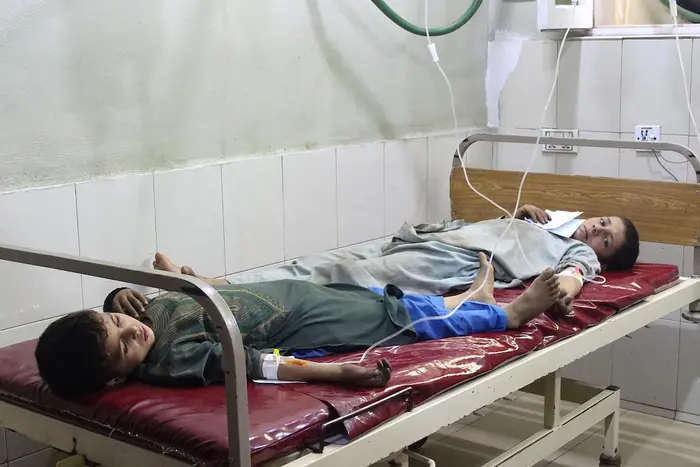
Major Earthquake Hits Eastern Afghanistan
Updated Sept. 8, 2025
More than 2,205 dead and over 3,640 injured
A powerful 6.0-magnitude earthquake struck eastern Afghanistan near the border with Pakistan late on Aug. 31, with its epicenter 17 miles northeast of the city of Jalalabad in Nangarhar province. As of Sept. 8, more than 2,205 deaths and over 3,640 injuries had been reported, with over 6,700 houses partially or fully damaged. All told, approximately 497,000 people are affected, including 263,000 children.
“UNICEF is deeply saddened by the tragic loss of life and the devastation caused by this disaster," said Dr. Tajudeen Oyewale, UNICEF Afghanistan Representative. "Our thoughts are with the children and families affected, many of whom have lost loved ones and homes."
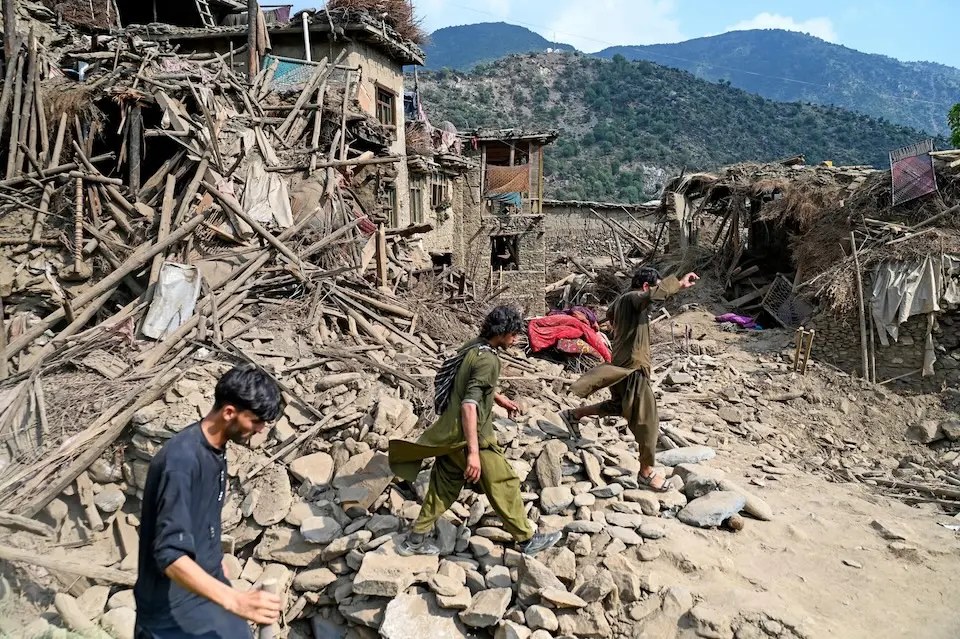
UNICEF teams are conducting joint assessments and prioritizing immediate, lifesaving interventions for children and families
UNICEF teams are already on the ground, working closely with local partners and other UN agencies to respond rapidly to urgent needs. Many villages were flattened by the quake's impact; access is hampered by rugged terrain and roads blocked by landslides.
Alongside conducting joint assessments with UN agencies to determine the full scale of the impact, UNICEF is prioritizing immediate, lifesaving interventions for children and families such as deploying mobile health teams to affected Chawkay and Nurgal districts in hard-hit Kunar province to provide first aid and immediate care to those injured.
In addition, UNICEF-supported health facilities in Nangarhar and Kunar provinces are delivering urgent treatment and supporting the injured as hospitals face growing pressure.
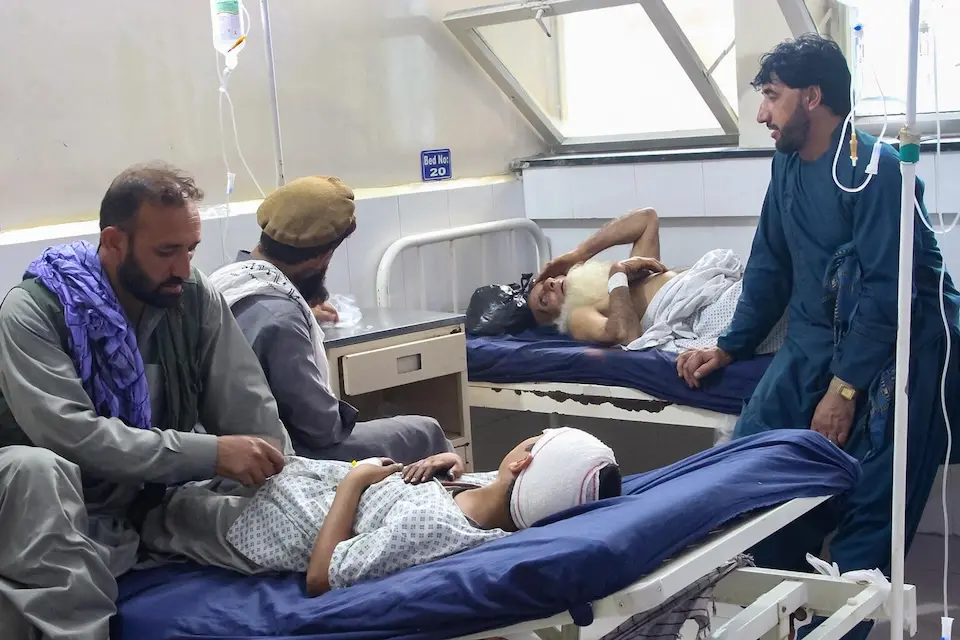
UNICEF's emergency response: the first 72 hours
In the first 72 hours after the earthquake, UNICEF rapidly mobilized surge teams, supplies and resources across multiple sectors to address urgent needs of families who have lost their homes in the earthquake-affected areas including:
- treating nearly 2,500 trauma cases since Sept. 1
- dispatching 3,000 cartons of essential nutrition commodities and 1,000 cartons of ready-to-use therapeutic food (RUTF)
- distributing 400 family hygiene kits and 50 boxes of water purification tablets, with an additional 40,000 jerrycans and 3,000 hygiene kits in the pipeline
- providing two tents for the establishment of child-friendly spaces (CFS)
“Children and families affected by the earthquake are in urgent need of lifesaving support,” said Dr. Oyewale. “With the generous support of the European Union, UNICEF will deliver critical supplies and ensure that affected communities receive the immediate assistance they need.”
UNICEF has been helping children and families in Afghanistan for over 70 years. As of July, UNICEF Afghanistan's 2025 $1.1 billion appeal had a 47 percent funding gap.
Your support for UNICEF is more important than ever. Give now to help UNICEF reach more children in need.