Protecting Girls in Afghanistan
Extreme poverty and education restrictions are pushing more girls into child marriage in Afghanistan
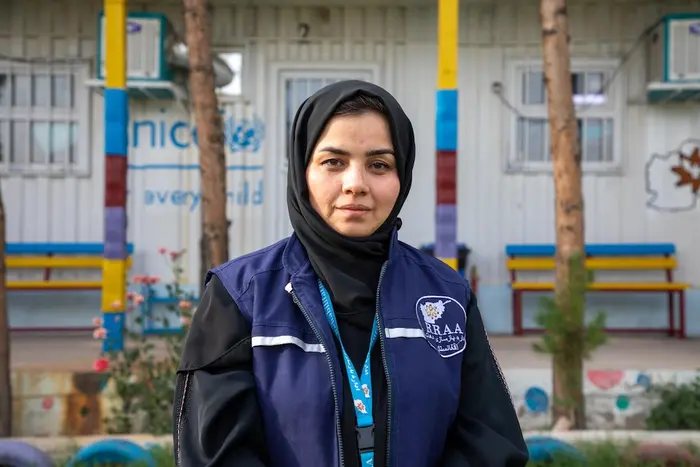
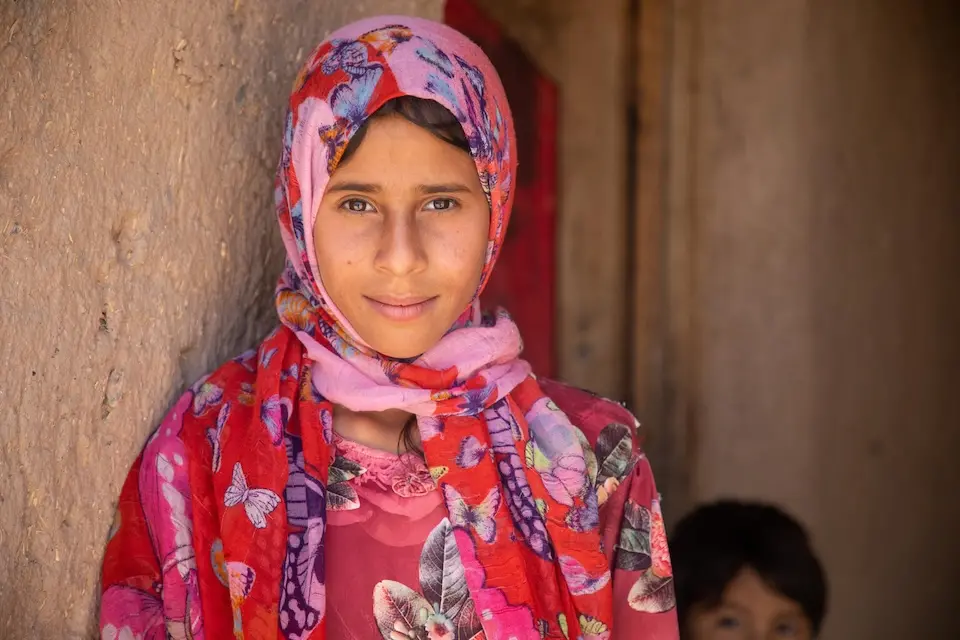
Latifa, a UNICEF-supported social worker in Herat Province, Afghanistan, remembers the first time she met 12-year old Farima. "The child was traumatized, because the mother had left, the father had died and the sister-in-law was not treating the child well," Latifa says.
Farima was withdrawn and frightened. She had watched helplessly as her older sister was forced into an early marriage. She knew she was next.
Watch the video: Farima's story
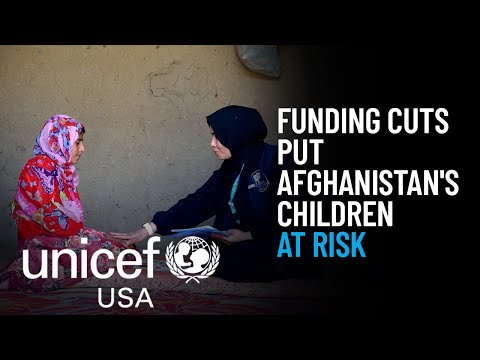
Latifa is one of the few qualified caseworkers left in Herat, Afghanistan's third largest city, after the political transition in 2021. She has managed hundreds of child protection cases, many of which involve halting early or forced marriages, or reuniting unaccompanied and separated children with their families.
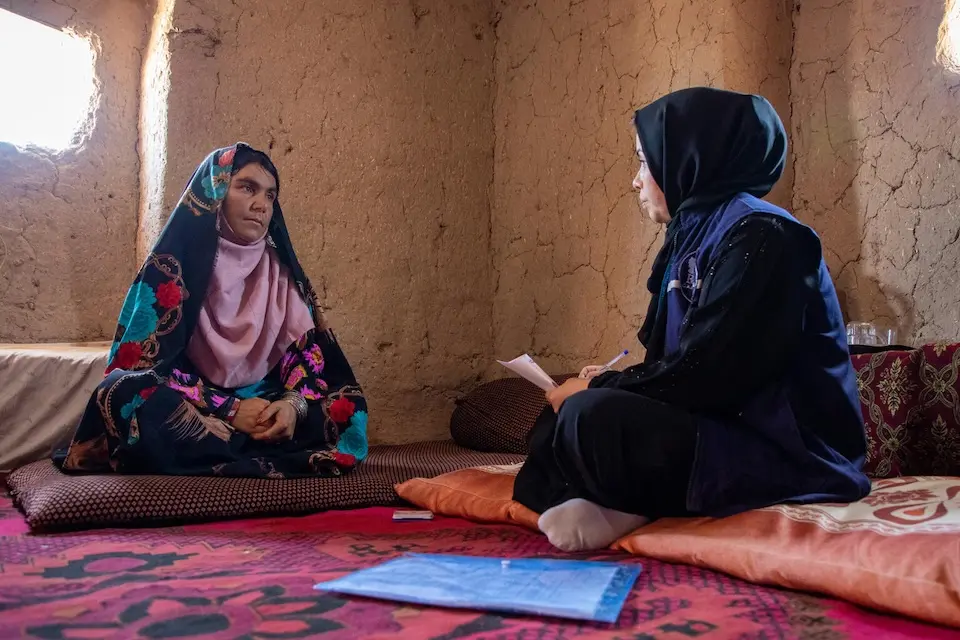
"Farima’s case was referred to me through the child-friendly space she was attending, although that space is closed now due to lack of funding," Latifa says. After meeting with community elders and Farima's older brother and his wife, Latifa was able to persuade them that the girl was too young to marry.
"Sometimes, when I see children in very critical conditions, I really feel like crying and I can't control myself," Latifa says. "Even after I return home, I still picture that child in my mind and keep thinking about them."
Afghanistan faces an unparalleled and complex crisis
The lives of children and their families have been upended since the Taliban returned to power in 2021. The rights and freedoms of women and girls continue to be curtailed, and the operating space continues to shrink through increasing restrictions and challenges.
Meanwhile, foreign aid funding cuts are threatening UNICEF's mission to uphold and protect the rights of Afghan children and women, undercutting the work of qualified social workers like Latifa and shuttering UNICEF child-friendly spaces that offer hope to Afghanistan's girls. Reductions in international aid have already forced the closure of more than 200 child-friendly spaces across Afghanistan in 2025.
Read more about UNICEF's work for children in Afghanistan
No country can move forward when half its population is left behind
Funding cuts also undermine UNICEF's work to improve access to education for children in Afghanistan, the only country in the world where girls are banned from attending school beyond the sixth grade — effectively freezing their futures, hopes and dreams.
Despite the challenges, UNICEF remains committed to supporting primary schools, community-based learning and temporary learning spaces, and continues to advocate for the reopening of high schools for girls.
Learn more: Education Cuts a Broken Promise to World's Children
At the end of 2024, UNICEF appealed for $1.2 billion to deliver lifesaving humanitarian aid and build the resilience of 19 million people in Afghanistan, including 10.3 million children, in 2025. As of July 31, UNICEF's 2025 Humanitarian Action for Children (HAC) appeal for Afghanistan was only 53 percent funded.