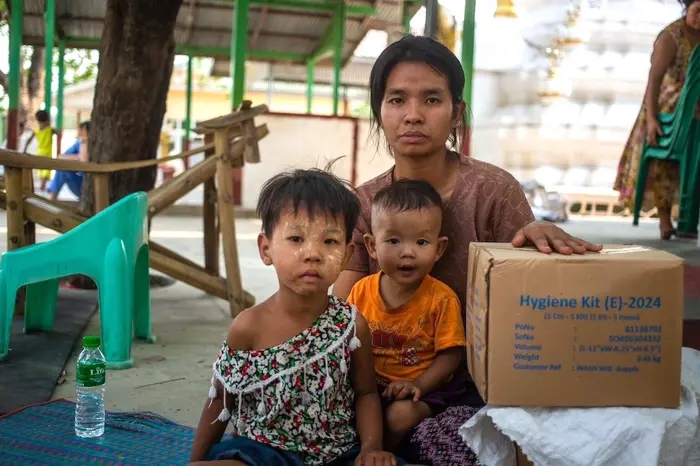
Children Hit Hardest by Earthquake in Myanmar
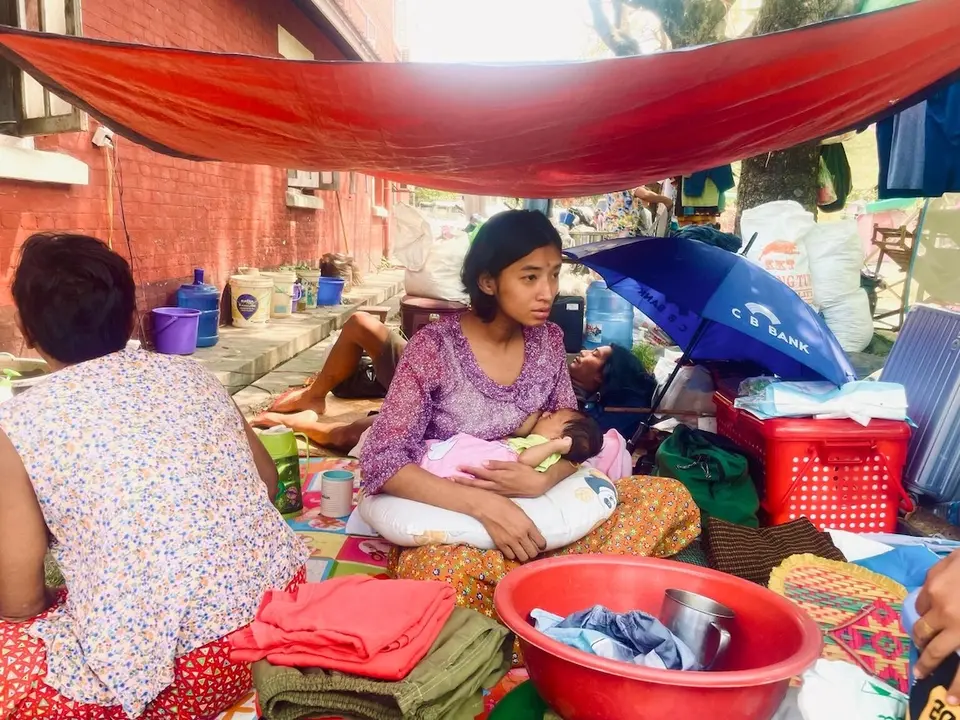
Temperatures are soaring in Myanmar, complicating relief efforts for children and families devastated by last week's major earthquake. Daily highs have reached over 100 degrees Fahrenheit — dangerous under any circumstances but even more so for families living out in the open, either because their homes have been destroyed or they are afraid they may collapse. By March 31, 46 aftershocks had been recorded, with varying magnitudes and depth.
"We have seen children sleeping outside, they don't have clean water, they don't have medical items because they've lost their homes," said Moses Sichawo, UNICEF Myanmar Chief of Supply. "So, we are working closely with all the partners."
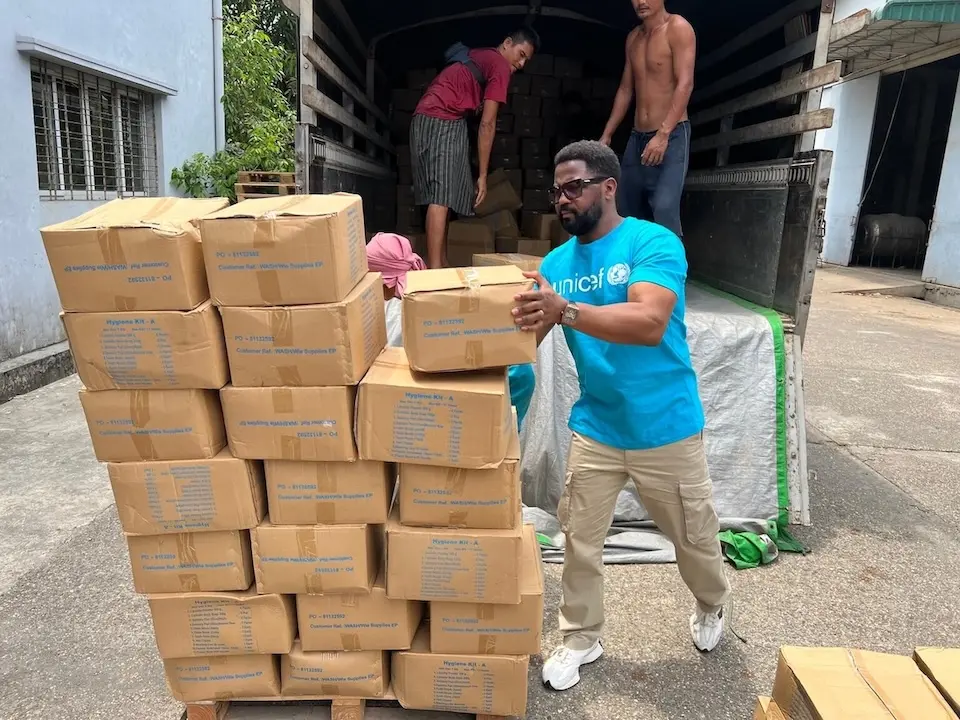
To meet the needs of families who have lost everything, UNICEF and local partners are delivering emergency water, sanitation and hygiene kits, medical kits and nutrition supplies from prepositioned stocks. UNICEF is also mobilizing an additional 80 metric tons of critical supplies from global hubs.
Humanitarian aid workers are operating in incredibly challenging conditions, without electricity or running water and with no sanitation, often sleeping outside like the communities they serve.
Children experiencing psychological trauma
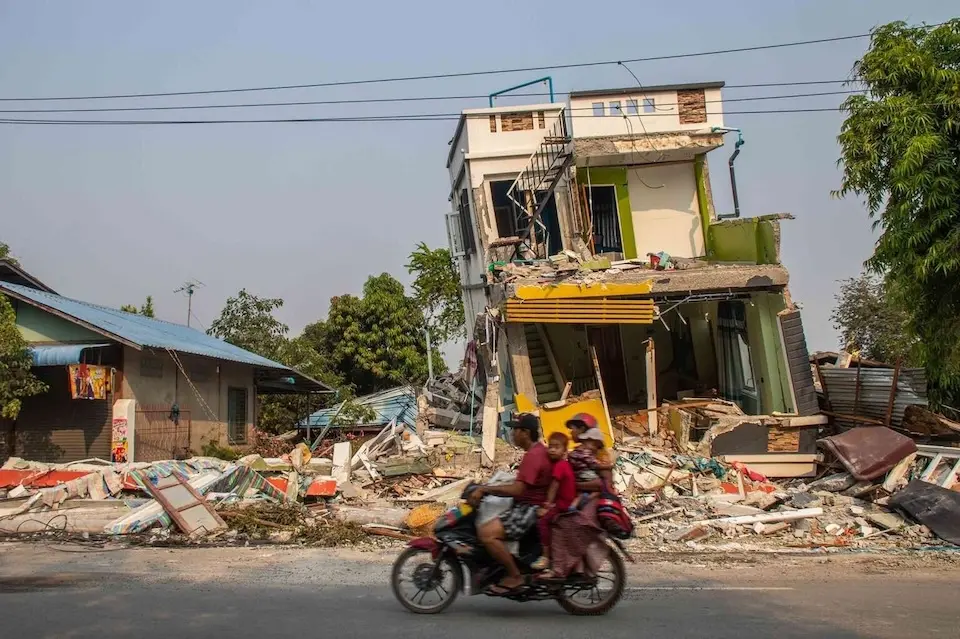
Homes, schools, hospitals and critical infrastructure — such as bridges and power lines — have been damaged or destroyed, leaving the population without electricity and telecommunications. Entire communities are without water, food, shelter, medicines and money.
“The deadliest earthquake to hit Myanmar in many decades has hit children the hardest," said Julia Rees, UNICEF Deputy Representative in Myanmar, who recently returned from some of the worst-affected locations.
Video: UNICEF is assessing needs and moving supplies

“What I saw was devastating," Rees said. "I met children who were in shock after witnessing their homes collapse or the death of family members. Some have been separated from their parents. Others are still unaccounted for."
Search and rescue operations are ongoing. Bodies are still being pulled from the rubble. “The psychological trauma is immense," said Rees. "For children who were already living through conflict and displacement, this disaster has added yet another layer of fear and loss."
A crisis on top of a crisis
The civil war that began in 2021 continues to escalate, cutting off children from essential services like safe water, sanitation, education and protection.
Even before this earthquake, over 6.5 million children in Myanmar were in need of humanitarian assistance. One in three displaced people in the country is a child. Now, the earthquake has added another layer of crisis, pushing already vulnerable families past the brink.
Related: Children, Families at Risk in Myanmar Need Urgent Assistance
Video: Water delivery protects children from disease outbreaks

Myanmar's children need assistance now
“Let me be clear: the needs are massive, and they are rising by the hour," said Rees. "The window for lifesaving response is closing. Across the affected areas, families are facing acute shortages of clean water, food and medical supplies."
“Children with serious injuries need urgent care," Rees warned. "Many are deeply traumatized, having lost loved ones or been pulled from the rubble themselves. The longer we wait, the deeper the impact on children’s lives and futures.”
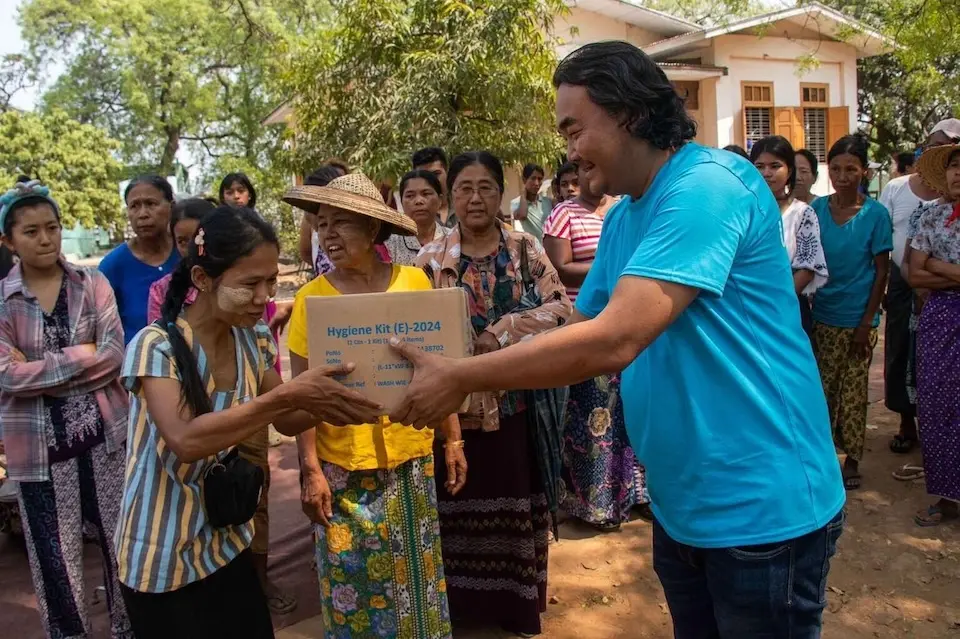
So far, less than 10 percent of UNICEF’s 2025 Humanitarian Action for Children appeal for Myanmar has been received. Without additional resources, UNICEF cannot reach every child in need.
Right now, the lives of the most vulnerable children hang in the balance as conflicts and crises jeopardize the care and protection that they deserve. Dependable, uninterrupted and effective foreign aid is critical to the well-being of millions of children. Please contact your members of Congress and urge them to support ongoing U.S. investments in foreign assistance.