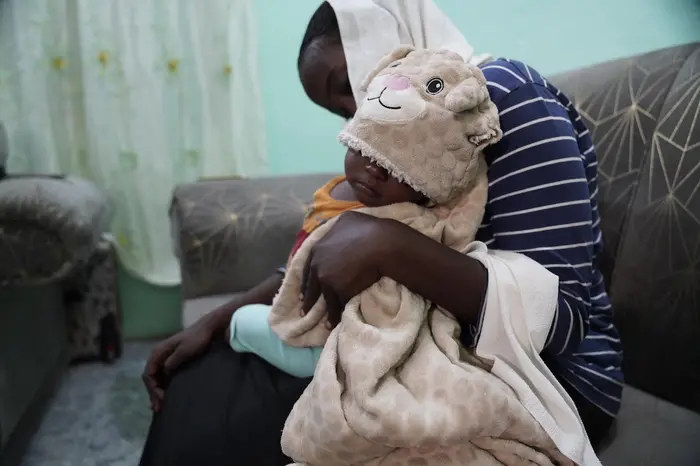
Sexual Violence Against Children Used as Weapon of War in Sudan
Grave violations against children caught in conflict zone
The ongoing conflict in Sudan has killed and injured thousands of people, internally displaced more than 11 million people, and spawned a humanitarian crisis that has resulted in disease and malnutrition.
But less often reported is the severe protection crisis that is occurring during this conflict, especially the widespread perpetration of sexual violence against children.
In a new report, gender-based violence service providers in Sudan paint a searing picture of what children are being subjected to — including rape. There have been 221 rape cases against children recorded since the beginning of 2024.
Read the UNICEF report: Sudan's Child Rape and Sexual Violence Crisis [Trigger warning: This publication and this story contain information and descriptions related to violence against women and children, including sexual violence]
An abhorrent violation of international law
That figure represents only a small fraction of total cases. Survivors and their families are often unwilling or unable to come forward due to challenges accessing services, along with fears of stigma, rejection by their family or community and retribution from armed groups.
UNICEF and partners are providing safe spaces where survivors can begin to recover from the trauma they've experienced, with the help of trained professionals. Much more help is needed.
Children as young as 1 being raped by armed men should shock anyone to their core and compel immediate action. — UNICEF Executive Director Catherine Russell
“Children as young as 1 being raped by armed men should shock anyone to their core and compel immediate action,” said UNICEF Executive Director Catherine Russell. “Millions of children in Sudan are at risk of rape and other forms of sexual violence, which is being used as a tactic of war. This is an abhorrent violation of international law and could constitute a war crime. It must stop.”
Of the reported 221 child rape survivors, 147 children — 66 percent — are girls. That 33 percent of the survivors are boys is also notable as they too may face stigma and unique challenges in reporting, seeking help and accessing services. Shockingly, 16 survivors are under age 5, including four 1-year-olds.
![On Dec. 4, 2024 in Sudan, 11-year-old Musa [NAME CHANGED] holds his mother’s hand tightly after visiting the psychologist and social worker helping him deal with the trauma of rape.](/sites/default/files/styles/full_width/public/2025-03/UNI754430.jpg.webp?itok=nW4sQXIk)
Dozens of firsthand accounts
During December 2024 and January 2025, UNICEF documented dozens of firsthand accounts of gender-based violence, including cases involving child sexual violence survivors who were attacked during invasions of cities, while fleeing danger and while being held by armed men.
The brutal reality of this violence, and the fear of falling victim to it, are pushing women and girls to leave their homes and families and flee to other cities where they often end up in informal displacement sites or communities with scarce resources. The risk of sexual violence is also high within these communities, especially against children who have been internally displaced.
![On Dec. 2, 2024 in Sudan, 16- year- old Dana [NAME CHANGED] rests on a mattress at a UNICEF office.](/sites/default/files/styles/full_width/public/2025-03/UNI754438.jpg.webp?itok=5xy4pU3c)
An eyewitness to atrocities
Omnia* lives with the trauma she experienced after being kidnapped by armed men and held for 19 days. She is an eyewitness to attacks on several girls who were held with her.
“They brought in a young girl, 16 years old, at 1 a.m. during Ramadan,” Omnia said. “A young girl, no more than 15 or 16 years old. The girl's clothes were soaked in blood, she was in a terrible condition. We carried her and cleaned her. We gave her water. I was the oldest one in the room; I tried to reassure her.
“After 9 at night, someone opens the door, carrying a whip, selects one of the girls, and takes her to another room," Omnia continues. "I could hear the little girl crying and screaming. They were raping her. Every time they raped her, this girl would come back covered in blood. She is still just a young child."
Omnia and her children have sought refuge in a new city. To support her healing, she is receiving mental health and psychosocial support from a women’s organization. She used to work in human rights and hopes to return to the sector soon, but continues to fear for her life.
![On Dec. 6, 2024 in Sudan, 19-year-old Yara [NAME CHANGED] sits in the courtyard of a hospital and holds her daughter three days after delivery.](/sites/default/files/styles/full_width/public/2025-03/UNI754437.jpg.webp?itok=bjHxJgWS)
Kidnapped, beaten and raped
When the fighting reached their home, sisters Dana,* 16, and Yara*, 19, were kidnapped, beaten and raped by soldiers for four months, before they escaped. They would later learn they were both pregnant.
The family has since fled and sought refuge in a new city, but the daughters continue to face serious health and mental health consequences from the ordeal. They are also entering life as young mothers, without the support of their extended family due to the stigma associated with having a child after being raped.
Dana remains traumatized and continues to display signs of stress, depression and anxiety.
Her mother, Mariam*, said, "My little daughter tried to commit suicide by cutting her wrists, she attempted to throw herself off the roof of the building, but they caught her. If someone talks about these things in front of Dana, she cries. She says she feels less than others.”
The family receives financial and psychosocial support from women-led organizations in Kassala state.
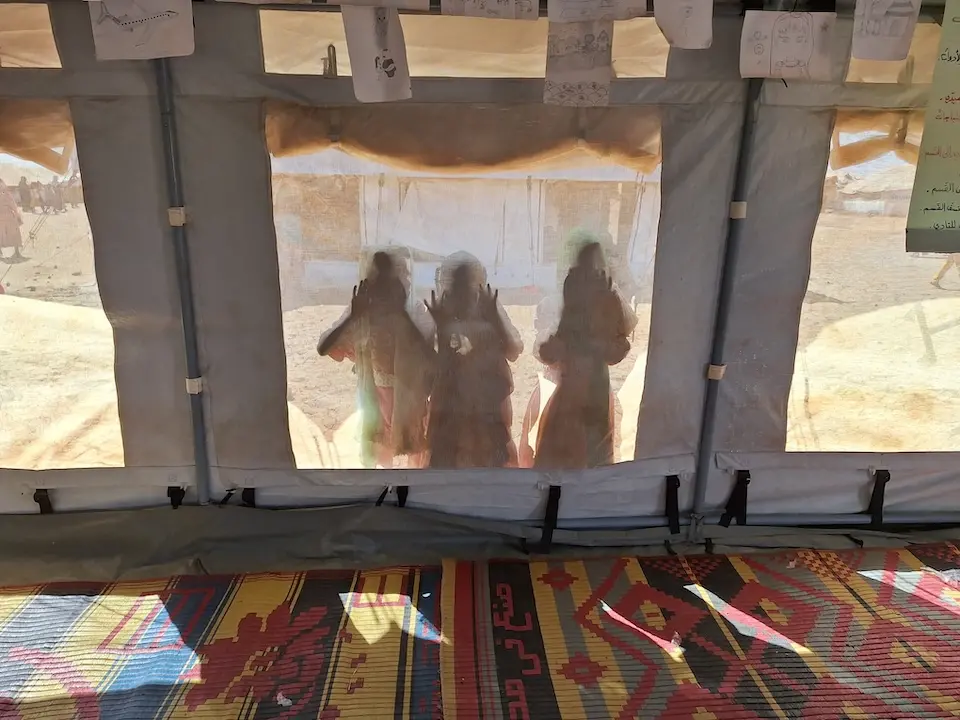
![On Dec. 10, 2024 in Sudan, Omnia [NAME CHANGED] peers through the window during a visit to a women’s organization.](/sites/default/files/styles/full_width/public/2025-03/UNI754435.jpg.webp?itok=u9r-fiz3)
Safe spaces, health services, mental health support
The immense impact of sexual violence on survivors is often hidden but it can have an inordinate and lasting negative legacy, including significant psychological trauma, forced isolation or family rejection due to social stigma, pregnancy, sexually transmitted infections, serious injury and other complications.
UNICEF is working with partners to establish safe spaces that provide gender-based violence services for survivors, as well as integrating these services into health centers and mobile clinics and providing relevant medical supplies.
UNICEF is also building the capacity of frontline social workers, psychologists and medical professionals and deploying them to locations across Sudan to provide community-based services, including mental health and psychosocial support and referral services. Work is also being undertaken within communities to address harmful social norms and practices.
“Widespread sexual violence in Sudan has instilled terror in people, especially children,” said Russell. “The parties to the conflict, and those with influence on them, must make every effort to put an end to these grave violations against children. These scars of war are immeasurable and long-lasting.”
Learn more about UNICEF's child protection work.
* All names of survivors have been changed to protect their privacy.
Right now, the lives of the most vulnerable children hang in the balance as conflicts and crises jeopardize the care and protection that they deserve. Dependable, uninterrupted and effective foreign aid is critical to the well-being of millions of children. Please contact your members of Congress and urge them to support ongoing U.S. investments in foreign assistance.