Worldwide, women and girls spend an estimated 200 million hours — daily — collecting water. It’s a colossal waste of their valuable time.
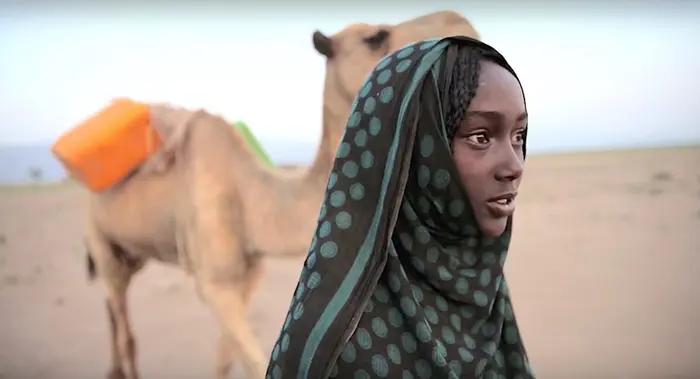
In Afar, Ethiopia, 13-year-old Aysha trudges eight hours, round trip, every day to collect water for herself and her family.
See Aysha's story here
“Just imagine — those 200 million hours add up to 8.3 million days, or more than 22,800 years,” says UNICEF’s Global Head of Water, Sanitation and Hygiene Sanjay Wijesekera. “It's as if a woman started with her empty bucket in the Stone Age and didn’t arrive home with water until 2018.”
For women, all that time wasted collecting water can cause serious problems. It cuts short the hours they spend caring for their children or supporting their families. For girls, who are most likely to bear the brunt of the Water Burden, water gathering steals time from education and play. It can even make school impossible.
Worse, when you can’t get water at home — even if you collect it from a safe source — carrying it in storage containers increases the chance of contamination. That means more disease, and even death, particularly for children under five.
“No matter where you look, access to clean drinking water makes a huge difference in people’s lives,” says Wijesekera. “Women and children shouldn't have to spend so much of their time for this basic human right.”