Every Child
Nourished
Every day, UNICEF workers brave war zones, disasters and disease to deliver lifesaving support. This includes preventing, detecting and treating malnutrition. Every year, hundreds of millions of children, adolescents and women receive nutrition services from UNICEF.
Kids need UNICEF more than ever:
- Poverty, conflicts and climate change impacts have magnified malnutrition crises around the world.
- Food crises in Afghanistan, Gaza, Sudan, South Sudan, Yemen and elsewhere have sent severe acute malnutrition rates soaring among children — endangering millions of young lives.
- Poor-quality diets are one of the greatest obstacles to child survival and healthy development; stakes are highest in the first two years of life, when malnutrition can irreversibly harm a child’s rapidly growing body and brain.
- Wasting, or low weight for height, carries a higher risk of disease or death if not treated quickly and properly; stunting, or low height for age, prevents children from reaching their full growth potential.
Meet Razaqah Ahmed Ahmed Haroon Haban, a community health worker in Yemen
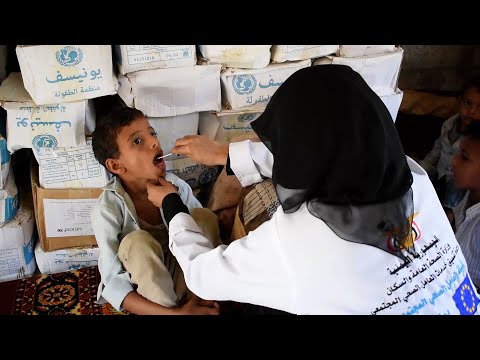
Why donate to UNICEF? It's a smart way to make your money go further for children:
- UNICEF tackles the root causes of the problems children face: UNICEF backs nutrition programs in over 130 countries with the support of 700 nutrition experts.
- UNICEF is a leader in the fight against child malnutrition: When emergencies strike, UNICEF reaches acutely malnourished children with lifesaving treatment, and spearheads the work needed to improve nutrition and prevent more children from becoming malnourished.
- UNICEF prioritizes prevention: UNICEF improves children's food environments, promotes age-appropriate foods and complementary feeding, and supports the use of micronutrients for children who are vulnerable to malnutrition.
- UNICEF encourages best practices: Exclusive breastfeeding has increased by 37 percent since 2000, helping to build babies’ immunity, give them the key nutrients they need to grow and thrive and reduce their risk of malnutrition later in life.
- UNICEF is adaptable: Applying a community-based approach to malnutrition prevention, detection, treatment and care, UNICEF has been able to reach hundreds of millions of children with services every year.
- UNICEF gets results: Every year, millions of children with severe acute malnutrition recover after receiving ready-to-use therapeutic food and/or other forms of treatment supplied or supported by UNICEF.