
Where UNICEF Works
UNICEF has a presence in over 190 countries and territories, working to ensure that every child is healthy, educated, protected and respected. UNICEF USA, based in New York City, works relentlessly in support of that mission, helping to drive global impact for the most vulnerable children.
Working nonstop to provide health, education, protection, emergency relief and more to children and families in need around the world
Established in 1946 in the aftermath of World War II, and headquartered in New York City, UNICEF has a global presence in over 190 countries and territories — including the United States.
UNICEF USA is one of 33 National Committees created to support UNICEF's mission. From offices in New York City and in all regions of the United States, UNICEF USA supports UNICEF's mission to pursue a more equitable world for children and helps drive global impact.
Support UNICEF's mission for children. Donate today. Your contribution is 100% tax deductible.
UNICEF USA's work in the U.S.
Child Friendly Cities Initiative: CFCI, launched by UNICEF in 1996, aims to establish safer, more just, equitable, inclusive and child-responsive cities and communities by helping city and municipal governments prioritize the needs of children and young people and elevate their voices in local governance and decision making. Houston and Minneapolis have already been designated CFCI candidate cities. Learn more.
Advocacy: UNICEF USA's Advocacy team, based in Washington, DC, focuses on educating and engaging the American public around issues affecting children globally and garnering support among members of Congress and state lawmakers for key legislation and policy action.
Volunteering: Student clubs, UNICEF Next Gen and other volunteer-led and staff-supported teams across the country are fundraising, advocating and otherwise helping to drive impact for children globally. Learn more at UNICEFUSA.org/UNITE
UNICEF's work around the world
UNICEF has country offices on five continents, each one linked to a regional office. UNICEF also has a research center in Florence, a supply hub in Copenhagen, a global shared services center in Budapest and additional offices in Brussels, Geneva, Seoul and Tokyo.
The vast majority of UNICEF staff of over 13,000 personnel are out in the field, working directly with partners on the ground to deliver impact for children.
UNICEF is working with governments and other partners to implement lifesaving and life-changing programs for children in Africa, Asia, Europe, the Middle East, North America and South America:
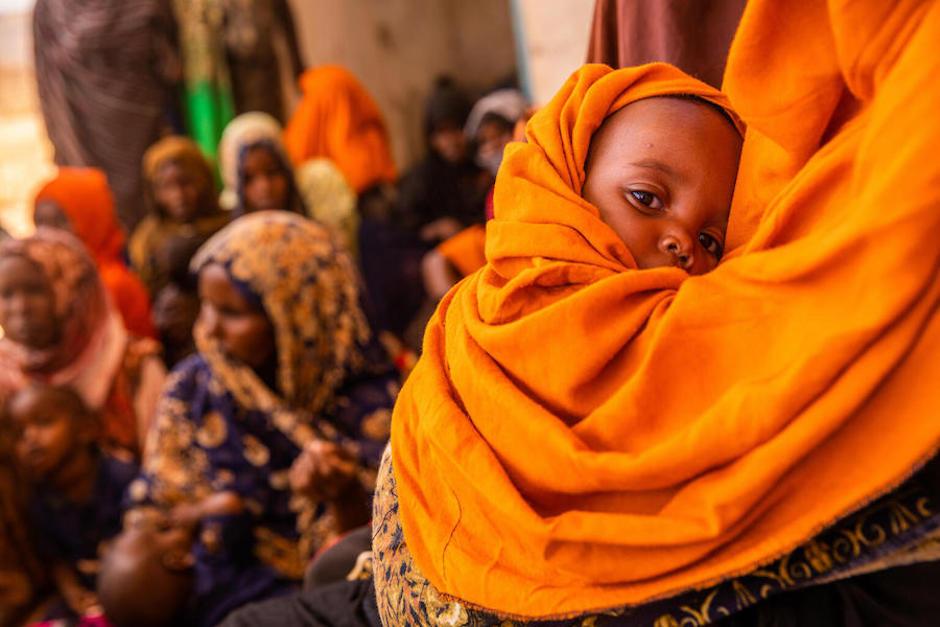
UNICEF in Africa
Humanitarian needs are severe in many countries in Africa due to conflict, poverty, food insecurity, drought and other effects of climate change — all of which threaten the health, safety and well-being of already vulnerable children and families.
UNICEF responds to these emergencies by delivering lifesaving supplies and services. UNICEF also works with local partners to strengthen systems and build community resilience to ensure continuity of vital services, mitigate climate impacts and end harmful practices that violate children's rights.
Where UNICEF works in Africa: Algeria, Angola, Bahrain, Benin, Botswana, Burkina Faso, Burundi, Cabo Verde, Cameroon, the Central African Republic, Chad, Comoros, Côte d'Ivoire, Democratic Republic of the Congo, Djibouti, Egypt, Equatorial Guinea, Eritrea, Eswatini, Ethiopia, Gabon, Gambia, Ghana, Guinea, Guinea-Bissau, Kenya, Lesotho, Liberia, Libya, Madagascar, Malawi, Mali, Mauritania, Morocco, Mozambique, Namibia, Niger, Nigeria, Rwanda, São Tomé and Príncipe, Senegal, Somalia, South Africa, South Sudan, Sudan, Tunisia, Uganda, Tanzania, Zambia and Zimbabwe.
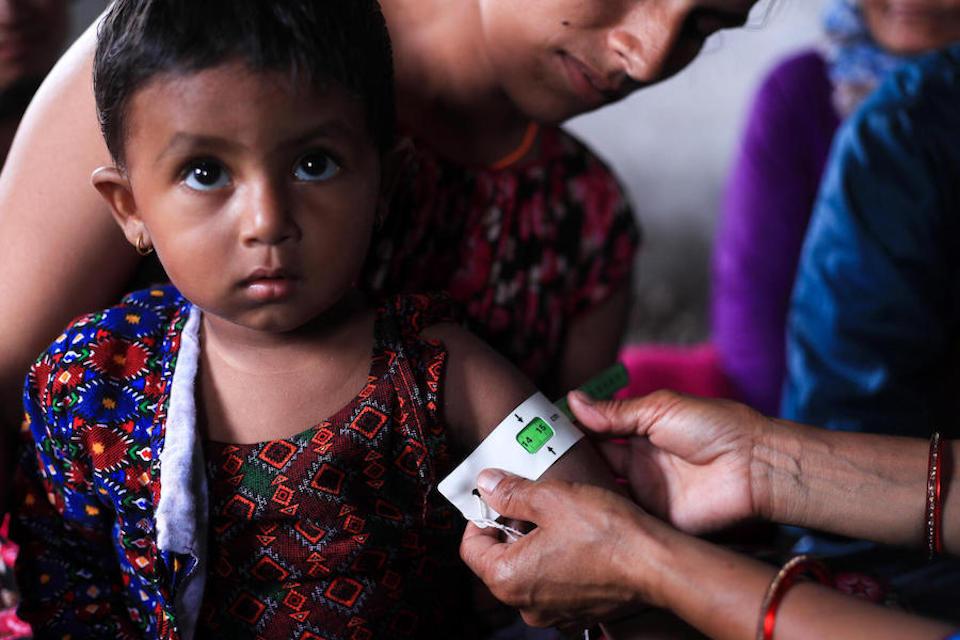
UNICEF in Asia
UNICEF is working across Asia and in the Pacific region to meet immediate and long-term needs of the most vulnerable and marginalized children and adolescents. UNICEF's programs in health, nutrition, education and child protection aim to help every child survive and thrive in a region prone to extreme weather events and other natural disasters. Together with partners, UNICEF also focuses on building community resilience and strengthening services and systems to safeguard children's rights and protect against future shocks.
UNICEF has regional offices in South Asia — with country offices in Afghanistan, Bangladesh, Bhutan, India, Maldives, Nepal, Pakistan and Sri Lanka — and in East Asia and the Pacific, where programming reaches children in Cambodia, China, the Democratic People's Republic of Korea (DPRK), Indonesia, Lao People's Democratic Republic (Lao PDR), Malaysia, Mongolia, Myanmar; island nations in the Pacific: Cook Islands, Fiji, Kiribati, Marshall Islands, Federated States of Micronesia, Nauru, Niue, Palau, Samoa, Solomon Islands, Tokelau, Tonga, Tuvalu and Vanuatu; Papua New Guinea, Philippines, Thailand, Timor-Leste and Vietnam.
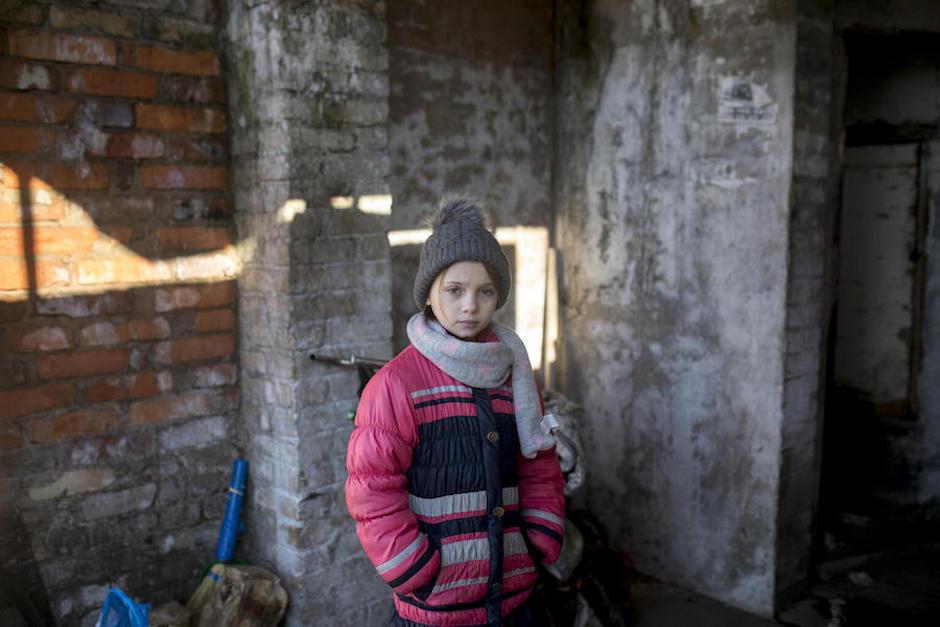
UNICEF in Europe
UNICEF's work in Europe and in neighboring Central and Western Asia focuses on meeting the urgent needs of vulnerable and marginalized children including children impacted by the war in Ukraine and other child refugees. Partnerships and programs aim to address a range of issues, including poor health care, inadequate nutrition, school dropout, violence against children, and child exploitation and abuse.
UNICEF's work in Europe is implemented through country offices in Albania, Armenia, Azerbaijan, Belarus, Bosnia and Herzegovina, Bulgaria, Croatia, Georgia, Greece, Kosovo, Moldova, Montenegro, North Macedonia, Romania, Serbia and Ukraine, and in Kazakhstan, Kyrgyzstan, Tajikistan, Turkmenistan and Uzbekistan.
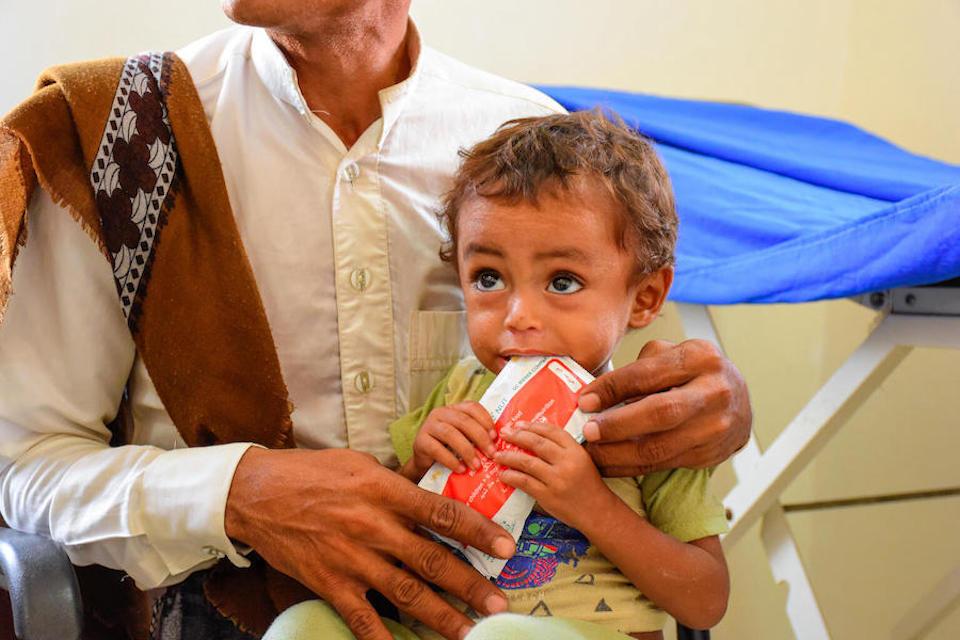
UNICEF in the Middle East
Tens of millions of children across the Middle East are suffering the effects of extreme poverty, prolonged conflicts, climate change and other crises — all of which have caused widespread displacement, compounding vulnerabilities. UNICEF provides emergency relief to children and families across the region while also working with local partners to build shock-responsive systems. Key efforts include improving water, sanitation and hygiene (WASH) access and services; improving child nutrition, child immunization rates and access to quality education; preventing gender-based violence; and ending child labor and other harmful practices.
UNICEF programming in the Middle East region reaches vulnerable children and families in Iran, Iraq, Jordan, Kuwait, Lebanon, Oman, Qatar, Saudi Arabia, State of Palestine, Syria, Turkey, United Arab Emirates and Yemen.
UNICEF in North America
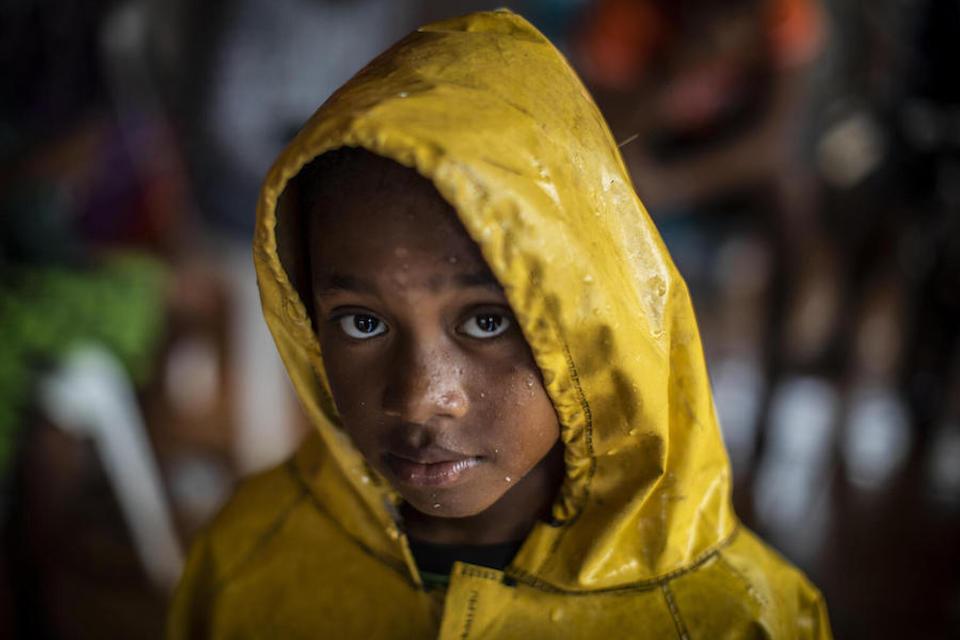
A top priority for UNICEF in North America is strengthening social protections and addressing the root causes of migration from El Salvador, Guatemala, Honduras and other countries. UNICEF also works to protect the rights of children on the move, who have been forced to flee gang violence and other safety threats or uprooted by storms, floods and other natural disasters.
UNICEF programs deliver lifesaving assistance, support and protection to vulnerable children and families in Belize, Bolivia, Brazil, Costa Rica, Cuba, the Dominican Republic, El Salvador, Guatemala, Haiti, Honduras, Jamaica, Mexico, Nicaragua and Panama; in the Eastern Caribbean Area, UNICEF is reaching children in need in Anguilla, Antigua and Barbuda, Barbados, British Virgin Islands, Dominica, Grenada, Montserrat, Saint Kitts and Nevis, Saint Lucia, Saint Vincent and the Grenadines, Trinidad and Tobago and Turks and Caicos Islands.
UNICEF in South America
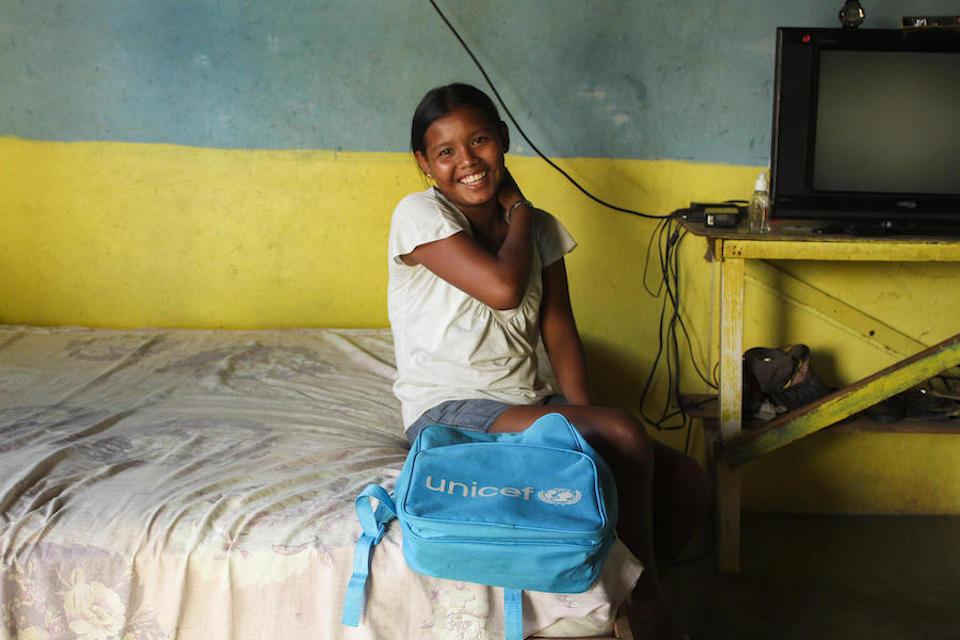
UNICEF delivers lifesaving support and life-changing services across South America, with active programs and partnerships in Argentina, Bolivia, Brazil, Chile, Colombia, Guyana, Paraguay, Peru, Suriname, Uruguay and Venezuela. Many children and families are still reeling from the economic and social impacts of the COVID-19 pandemic. Climate shocks, migration and internal displacement have increased humanitarian needs.
Support UNICEF's efforts to save and protect vulnerable children around the world. Donate today.