Breadcrumb Home UNICEF in action Displaying 1 - 9 of 2321 Region AllAfrica-Algeria-Angola-Bahrain-Benin-Botswana-Burkina Faso-Burundi-Cabo Verde-Cameroon-Central African Republic-Chad-Comoros-Côte d'Ivoire-Democratic Republic of the Congo (DRC)-Djibouti-Egypt-Equatorial Guinea-Eritrea-Eswatini-Ethiopia-Gabon-The Gambia-Ghana-Guinea-Guinea-Bissau-Kenya-Lesotho-Liberia-Libya-Madagascar-Malawi-Mali-Mauritania-Morocco-Mozambique-Namibia-Niger-Nigeria-Príncipe-Rwanda-São Tomé -Senegal-Sierra Leone-Somalia-South Africa-South Sudan-Sudan-Tanzania-Tunisia-Uganda-Zambia -ZimbabweAsia-Afghanistan-Bangladesh-Bhutan-Cambodia-China-Cook Islands-Federated States of Micronesia-Fiji-India-Indonesia-Kiribati-Lao People's Democratic Republic (Lao PDR)-Malaysia-Maldives-Marshall Islands-Mongolia-Myanmar-Nauru-Nepal-Niue-Pakistan-Palau-Papua New Guinea-Philippines-Samoa-Solomon Islands-Sri Lanka-Thailand-the Democratic People's Republic of Korea (DPRK)-Timor-Leste-Tokelau-Tonga-Tuvalu -Vanuatu-VietnamEurope-Albania-Armenia-Azerbaijan-Belarus-Bosnia and Herzegovina-Bulgaria-Croatia-Georgia-Greece-Kazakhstan-Kosovo-Kyrgyzstan-Moldova-Montenegro-North Macedonia-Poland-Romania-Serbia-Tajikistan-Turkmenistan-Ukraine-UzbekistanMiddle East-Albania-Armenia-Azerbaijan-Belarus-Bosnia and Herzegovina-Bulgaria-Croatia-Gaza-Georgia-Greece-Iran-Iraq-Israel-Jordan-Kosovo-Lebanon-Moldova-Montenegro-North Macedonia-Romania-Serbia-Syria-Tajikistan-Turkey-YemenNorth America-Dominican Republic-El Salvador-Guatemala-Haiti-Honduras-Jamaica-Mexico-Nicaragua-United StatesSouth America-Argentina-Belize-Bolivia-Brazil-Chile-Colombia-Guyana-Panama-Paraguay-Peru-Suriname-Uruguay-Venezuela Issue Allair pollutioncash transferschild laborchild marriagechild protectionchild soldieringchild traffickingChild-Friendly Spaceschildhood immunizationchildren with disabilitiescholeraclimate changeCOVAXCOVID-19diarrheadisplacementearly childhood developmentEbolaeducationemergency responseequityfood insecurityGAVIhealthhealth systemsHIV/AIDShygieneinnovationmalariameaslesmenstrual health and hygienemental healthmigrationnutritionpneumoniapoliopsychosocial support respectsanitationtetanuswateryouth engagementZika virus Emergency Allchild rights crisisconflictcyclonedisease outbreakdroughtearthquakeepidemicextreme weatherfaminefloodinghurricanemigrant crisismonsoonmudslidenatural disasterpandemicrefugee crisistsunamityphoonvolcanowar Programs & Partners AllambassadorsBridge FundChange for GoodChild Friendly Cities InitiativeGeorge Harrison FundImpact Fund for Childreninspired giftsJohnson & Johnson FoundationKiwanisMercury FundMicrosoftRotary InternationalSchool ClubsTrick-or-Treat for UNICEFU.S. AdvocacyUNICEF marketUNICEF NextGenUNICEF-Duke Innovation Accelerator Trending Search Topics: k.i.n.d. ways to give tax rules donation Protected from Child Labor After Giving Birth at 16: One Girl's Story In Ghana, a UNICEF-supported Integrated Social Services approach helps protect children's right to go to school — not work. Read More World Cup: The Simple Joy of the Soccer Ball With the 2026 FIFA World Cup underway, it’s a good time to appreciate the simple joy that a soccer ball can bring to children worldwide. Read More Why Are Children Still Suffering in Gaza? UNICEF is working with partners to shore up basic services for children caught in an endless cycle of suffering. [video] Read More How War in the Middle East Impacts Supply Delivery for Children Worldwide War in the Middle East is disrupting global supply chains, driving transportation and logistics costs skyward. Read More How UNICEF Support for Safer Childbirth Is Saving Lives in Somalia A displaced mother in Galkayo, Somalia, finds hope and safe care as she welcomes her newborn son. Read More The Race to Save Lives: UNICEF Ramps Up Ebola Response UNICEF steps up its response in the DRC and surrounding countries to protect children and communities, but more funding is urgently needed. Read More UNICEF Ambassador Heidi Klum on Motherhood, Compassion and the Power of Play Heidi Klum, UNICEF's newest ambassador, has been a champion for children's rights with UNICEF since 2011. Read More Protecting Mothers and Children in Sudan In rural Gedaref State, unconditional cash grants integrated with children's health and nutrition services are a lifeline for families in need. Read More Managing Menstruation With Dignity in Gaza Girls and women struggle to manage their periods in Gaza, where privacy and access to essential supplies and services are limited. [video] Read More Pagination Current page 1 Page 2 Page 3 Page 4 Page 5 Page 6 Page 7 Page 8 Page 9 … Next page ›› Last page Last »
Protected from Child Labor After Giving Birth at 16: One Girl's Story In Ghana, a UNICEF-supported Integrated Social Services approach helps protect children's right to go to school — not work. Read More
World Cup: The Simple Joy of the Soccer Ball With the 2026 FIFA World Cup underway, it’s a good time to appreciate the simple joy that a soccer ball can bring to children worldwide. Read More
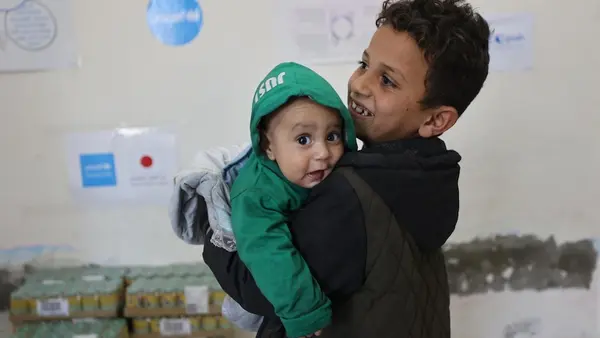
Why Are Children Still Suffering in Gaza? UNICEF is working with partners to shore up basic services for children caught in an endless cycle of suffering. [video] Read More
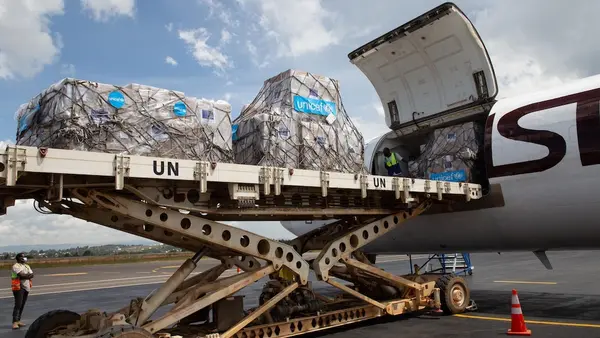
How War in the Middle East Impacts Supply Delivery for Children Worldwide War in the Middle East is disrupting global supply chains, driving transportation and logistics costs skyward. Read More
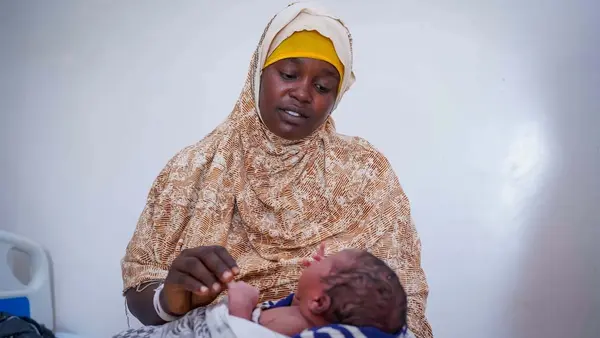
How UNICEF Support for Safer Childbirth Is Saving Lives in Somalia A displaced mother in Galkayo, Somalia, finds hope and safe care as she welcomes her newborn son. Read More
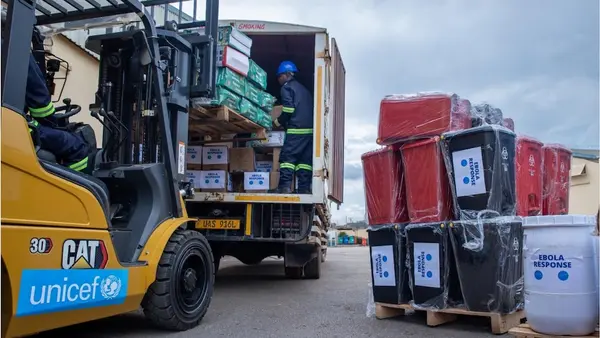
The Race to Save Lives: UNICEF Ramps Up Ebola Response UNICEF steps up its response in the DRC and surrounding countries to protect children and communities, but more funding is urgently needed. Read More
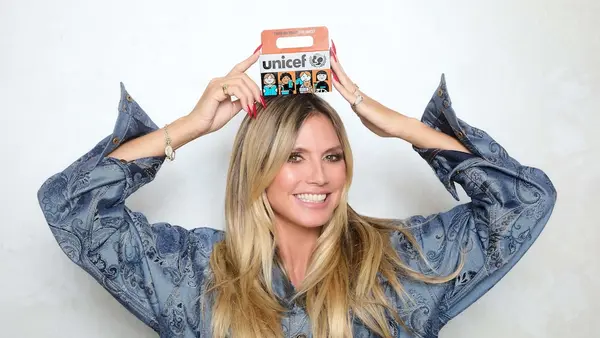
UNICEF Ambassador Heidi Klum on Motherhood, Compassion and the Power of Play Heidi Klum, UNICEF's newest ambassador, has been a champion for children's rights with UNICEF since 2011. Read More
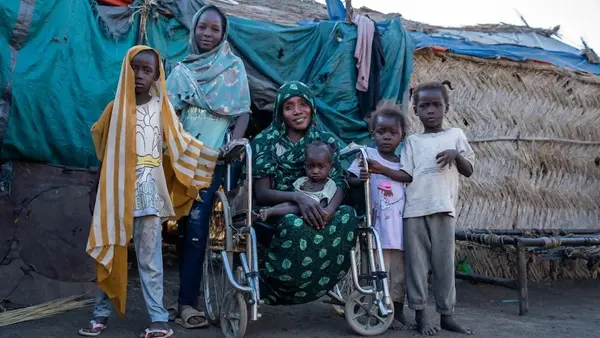
Protecting Mothers and Children in Sudan In rural Gedaref State, unconditional cash grants integrated with children's health and nutrition services are a lifeline for families in need. Read More
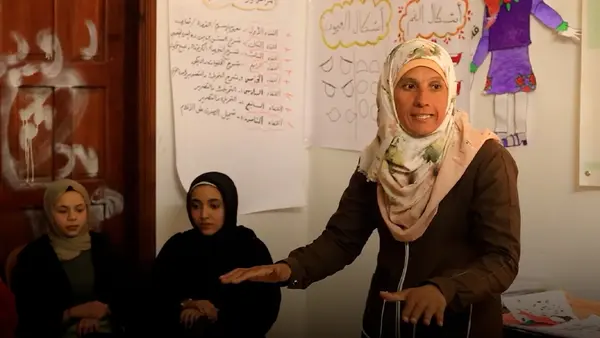
Managing Menstruation With Dignity in Gaza Girls and women struggle to manage their periods in Gaza, where privacy and access to essential supplies and services are limited. [video] Read More