Read Stories Donate Now Give Monthly
Trending Search Topics:
  • k.i.n.d.
  • ways to give
  • tax rules
  • donation
    • What Unicef Does
      • Children's Education
      • Every Child Educated
      • Child-Friendly Schools
      • Equity
      • Girls' Education
      • Kids In Need of Desks (K.I.N.D.)
      • Learning Passport
      • Children's Health
      • Every Child Healthy
      • Breastfeeding
      • Community Health Workers
      • Immunization
      • Mental Health
      • Non-Communicable Diseases
      • Nutrition
      • Water
      • Children's Protection
      • Every Child Protected
      • Birth Registration
      • Child Migrants & Refugees
      • Child Poverty
      • Child Trafficking
      • Peacebuilding
      • Climate Change
      • Climate Financing
      • Climate and Health
      • Climate and Nutrition
      • Climate and Youth
      • Emergency Response
      • Relief for Every Child
      • Conflict
      • Earthquakes
      • Food Crises
      • UNICEF Supply Division
      • Weather Disasters
    • Parenting
      • Respect for Children
      • Every Child Respected
      • Child Friendly Cities
      • Children with Disabilities
      • Children's Rights
      • Equality for Girls
      • Innovation
      • Where UNICEF Works
      • Africa
      • Asia
      • Europe
      • Middle East
      • North America
      • South America
    • About UNICEF USA
      • Careers
      • Equity, Inclusion & Belonging
      • Open Positions
      • Finances
      • Annual Report
      • Financial Disclosure
      • Leadership
      • National Board of Directors
      • Leadership Team
      • Advisory Boards
      • NextGen
      • Youth Leadership
      • Partnerships
      • Companies
      • Foundations
      • Humanitarian Organizations
      • Our Supporters
    • Community Alliance for Child Rights
    • How to Help
      • Advocate
      • How We Work
      • Donate
      • Donate Monthly
      • Every Child Fund
      • IMPACT Fund for Children
      • Donors & Philanthropists
      • Donor-Advised Funds
      • Planned Giving
    • Fundraise
    • Impact Investing
    • UNICEF Clubs
    • Ways To Give
Donate Now Read Stories

Utility Menu

  • Gift Catalog
  • Sign In
UNICEF USA
Read Stories Donate Now Give Monthly
Trending Search Topics:
  • k.i.n.d.
  • ways to give
  • tax rules
  • donation
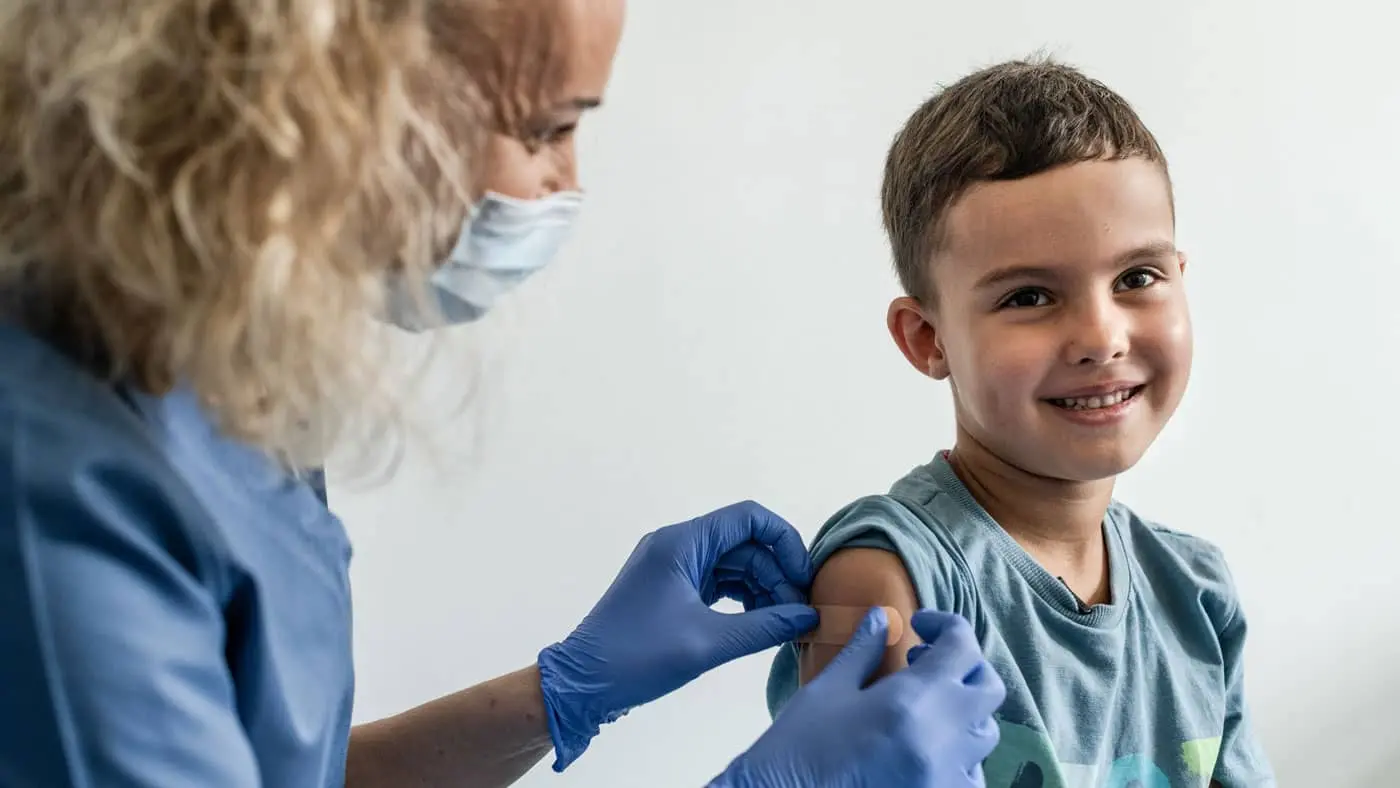
6-year-old Mykyta, a refugee from Ukraine, receives the vaccine for measles, mumps and rubella from Nurse Ewelina Tytula at a UNICEF-supported medical center in Kraków, Poland on Aug. 18, 2022.

Breadcrumb

  1. Home
  2. What UNICEF Does
  3. Children's Health
  4. Every Child
    Protected from Deadly Diseases

Measles

UNICEF and partners work to ensure every child has access to vaccines that prevent measles, reduce outbreaks and protect children from serious symptoms.

Measles is a highly contagious viral disease that kills tens of thousands of children every year. Measles in children is especially dangerous, and children under age 5 are particularly at risk. 

Measles outbreaks spread quickly in communities with low vaccination coverage and can cause lifelong disabilities. The most extreme long-term effects of measles include blindness, deafness and even permanent brain injury — costing the global economy millions of dollars every year in medical expenses and lost productivity. 

A safe and effective measles vaccine has been in use since the 1960s. For decades, UNICEF and partners have been working with governments and communities to carry out mass measles vaccination campaigns and improve disease surveillance to detect measles outbreaks early. 

But vaccine misinformation and vaccine hesitancy are on the rise, and global funding cuts undermine lifesaving immunization efforts. 

Between 2020 and 2025, more than 100 countries experienced measles outbreaks.

Related: Measles Cases Are On the Rise Globally: What It Means for Children
What are common measles symptoms?

Common measles symptoms usually appear 7 to 14 days after infection. They may include:

  • high fever
  • cough
  • runny nose
  • red, watery eyes
  • a distinctive rash that typically starts on the face and spreads across the body
  • fatigue
  • loss of appetite

In children, measles can also cause pneumonia, diarrhea, ear infections and swelling of the brain, particularly among young or malnourished children and those without access to health care. 

Because there are no specific measles treatments that cure the disease, prevention through vaccination is critical.

UNICEF USA Parenting Resource: All About Vaccines

How do children miss out on the measles vaccine? 

Vaccinating all children is a challenge when so many are displaced by conflict or natural disasters and other emergencies. Children often miss out if they live in rural or otherwise hard-to-reach areas, where access to routine immunization is limited. Scarce or under-funded health care resources can also restrict information parents need on how to prevent measles. 

Children are also bypassed during protracted conflicts and other humanitarian emergencies.

Read about UNICEF's vaccination catch-up campaign to protect children in Sudan crisis

UNICEF has a plan to stop measles outbreaks

UNICEF’s Immunization Roadmap for 2018 – 2030 is an ambitious plan that seeks to leverage new technologies to reach unvaccinated children, tailoring strategies to fit the needs of different countries and regions. The plan calls for UNICEF to work closely with partners at the country, regional and global levels to achieve its goals.

To that end, UNICEF has joined forces with governments, non-governmental organizations, rights-based organizations and private-sector entities to deliver immunization services in low- and middle-income countries. Collaboration among manufacturers, health agencies, governments and development partners is also crucial to keep vaccinations affordable and within reach for those who need them.

UNICEF, a supporter of child immunization since 1949, is a founding member of all key global immunization partnerships, including Gavi, the vaccine alliance; the Measles and Rubella Initiative; the Maternal and Neonatal Tetanus Elimination Initiative; the Global Polio Eradication Initiative; and the Global Vaccine Action Plan. 

In its leadership role, UNICEF helps shapes the global vision, strategies and policies that make up the global immunization agenda.

Help UNICEF protect children against measles and other vaccine-preventable diseases

Your contribution to UNICEF is more important than ever. Please Donate

Frequently asked questions about measles

Why do outbreaks still happen if a measles vaccine exists?

Measles outbreaks occur when vaccination coverage drops. Conflict, displacement, misinformation and underfunded health systems can prevent children from receiving routine immunizations, allowing the viral disease to spread quickly in vulnerable communities. To learn about routine immunization and outbreak prevention, read more about UNICEF's immunization work.

How do I prevent measles?

Measles can be prevented through vaccination. UNICEF works with governments and other partners to strengthen routine immunization systems and reach children who might otherwise miss out, especially in fragile and conflict-affected settings. 

For parents looking for guidance on immunization, read UNICEF's primer on vaccinating your child, one of many resources offered on UNICEF USA's parenting hub.
 

Recommended Stories

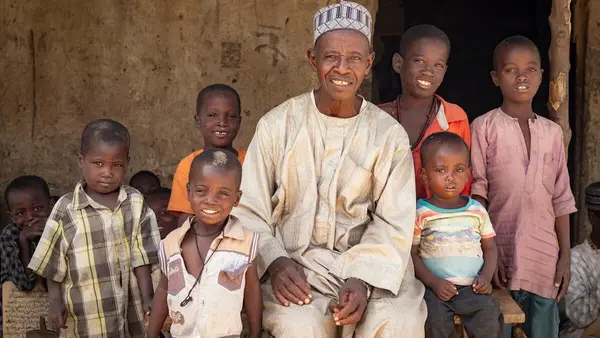
A local leader in Dala, Borno state, Nigeria, with his grandchildren and other kids who received vaccinations with UNICEF's support.

Faith, Trust and Child Well-Being in Nigeria

With UNICEF support, a religious leader champions vaccination in his community as part of a nationwide push to protect kids from preventable diseases.
Read More
On March 17, 2025 in Chiretzaaj, Cobán, Guatemala, 3-year-old Amani smiles outside the local health center.

Holding Space for Hope in 2026

Lifesaving vaccines and strengthened health systems are a dose of good news for millions of children.
Read More
An 8-month-old is vaccinated by a UNICEF-supported vaccinator in the informal tented settlement in Jarish, north Jordan.

Measles Cases Are On the Rise Globally: What It Means for Children

Canada lost its official measles-free status on Nov. 10, 2025. The United States could be next.
Read More
Minda Dentler, a Rotary ambassador, administers the polio vaccine to a child during a national immunization campaign in India.

Americans Who Never Forget: Life Without Vaccines

Three lives touched by vaccine-preventable disease, one message: Don't take immunization for granted.
Read More
See all
Be An Active Supporter

Be an Active Supporter
Be the first to know about UNICEF's humanitarian relief efforts in times of emergency.

Main navigation

  • What Unicef Does
    • Children's Education
    • Children's Health
    • Children's Protection
    • Climate Change
    • Emergency Response
    • Parenting
    • Respect for Children
    • Where UNICEF Works
  • About UNICEF USA
    • Careers
    • Finances
    • Leadership
    • Partnerships
    • Community Alliance for Child Rights
  • How to Help
    • Advocate
    • Donate
    • Fundraise
    • Impact Investing
    • UNICEF Clubs
    • Ways To Give

Footer

  • Media Hub
  • UNICEF Reports
  • Stories of UNICEF in Action
  • Manage Cookies
  • UNICEF USA Videos
UNICEF USA

Contact Us | (800) 367-5437  |  125 Maiden Lane, New York, NY 10038
©2025 U.S. Fund for UNICEF d/b/a UNICEF USA. All Rights Reserved.
U.S. Fund for UNICEF d/b/a UNICEF USA is a 501(c)(3) organization.
Gifts are deductible to the full extent allowable under IRS regulations.

Charity Navigator Four-Star Award
Guidestar Transparency Seal
Chartity Watch badge Top-Rated

Subfoot Menu

  • Cookie Policy
  • Policies & Disclosures
  • Terms of Use
  • FAQ