Breadcrumb Home UNICEF in action Displaying 1 - 9 of 2381 Region AllAfrica-Algeria-Angola-Bahrain-Benin-Botswana-Burkina Faso-Burundi-Cabo Verde-Cameroon-Central African Republic-Chad-Comoros-Côte d'Ivoire-Democratic Republic of the Congo (DRC)-Djibouti-Egypt-Equatorial Guinea-Eritrea-Eswatini-Ethiopia-Gabon-The Gambia-Ghana-Guinea-Guinea-Bissau-Kenya-Lesotho-Liberia-Libya-Madagascar-Malawi-Mali-Mauritania-Morocco-Mozambique-Namibia-Niger-Nigeria-Príncipe-Rwanda-São Tomé -Senegal-Sierra Leone-Somalia-South Africa-South Sudan-Sudan-Tanzania-Tunisia-Uganda-Zambia -ZimbabweAsia-Afghanistan-Bangladesh-Bhutan-Cambodia-China-Cook Islands-Federated States of Micronesia-Fiji-India-Indonesia-Kiribati-Lao People's Democratic Republic (Lao PDR)-Malaysia-Maldives-Marshall Islands-Mongolia-Myanmar-Nauru-Nepal-Niue-Pakistan-Palau-Papua New Guinea-Philippines-Samoa-Solomon Islands-Sri Lanka-Thailand-the Democratic People's Republic of Korea (DPRK)-Timor-Leste-Tokelau-Tonga-Tuvalu -Vanuatu-VietnamEurope-Albania-Armenia-Azerbaijan-Belarus-Bosnia and Herzegovina-Bulgaria-Croatia-Georgia-Greece-Kazakhstan-Kosovo-Kyrgyzstan-Moldova-Montenegro-North Macedonia-Poland-Romania-Serbia-Tajikistan-Turkmenistan-Ukraine-UzbekistanMiddle East-Albania-Armenia-Azerbaijan-Belarus-Bosnia and Herzegovina-Bulgaria-Croatia-Gaza & West Bank-Georgia-Greece-Iran-Iraq-Israel-Jordan-Kosovo-Lebanon-Moldova-Montenegro-North Macedonia-Romania-Serbia-Syria-Tajikistan-Turkey-YemenNorth America-Belize-Dominican Republic-El Salvador-Guatemala-Haiti-Honduras-Jamaica-Mexico-Nicaragua-Panama-United StatesSouth America-Argentina-Bolivia-Brazil-Chile-Colombia-Ecuador-Guyana-Paraguay-Peru-Suriname-Uruguay-Venezuela Issue Allair pollutioncash transferschild laborchild marriagechild protectionchild soldieringchild traffickingChild-Friendly Spaceschildhood immunizationchildren with disabilitiescholeraclimate changeCOVAXCOVID-19diarrheadisplacementearly childhood developmentEbolaeducationemergency responseequityfood insecurityGAVIhealthhealth systemsHIV/AIDShygieneinnovationmalariameaslesmenstrual health and hygienemental healthmigrationnutritionpneumoniapoliopsychosocial support respectsanitationtetanuswateryouth engagementZika virus Emergency Allchild rights crisisconflictcyclonedisease outbreakdroughtearthquakeepidemicextreme weatherfaminefloodinghurricanemigrant crisismonsoonmudslidenatural disasterpandemicrefugee crisistsunamityphoonvolcanowar Programs & Partners AllambassadorsBridge FundChange for GoodChild Friendly Cities InitiativeGeorge Harrison FundImpact Fund for Childreninspired giftsJohnson & Johnson FoundationKiwanisMercury FundMicrosoftRotary InternationalSchool ClubsTrick-or-Treat for UNICEFU.S. AdvocacyUNICEF marketUNICEF NextGenUNICEF-Duke Innovation Accelerator Trending Search Topics: donation k.i.n.d. tax rules ways to give World Food Day 2026: How UNICEF Helps Children Get the Nutrition They Need On Oct. 16, an annual reminder that every child has a right to adequate nutrition for healthy development. Learn how UNICEF supports child nutrition. Read More After Nepal Floods, A Long Road to Recovery UNICEF is working with the Government and partners to meet children's needs and support recovery efforts following devastating flooding in Nepal. Read More Global Handwashing Day 2026: The Importance of Handwashing for Kids Effective handwashing is a low-cost, high-reward habit that keeps children healthy and prevents the spread of dangerous diseases. Read More UNICEF Focuses on What Children Need After Earthquake Hits Panama An estimated 38,000 people — including 8,300 children — are in need of humanitarian assistance. UNICEF is there. Read More UNICEF Urges Action to Prepare for El Niño and Protect Children The 2026-2027 weather pattern is expected to be one of the strongest ever, putting 347 million children in nearly 100 countries at risk. Read More Back to School in Gaza: Learning and Mental Health Go Hand in Hand Resilience and healing are part of the curriculum as Gaza's children return to class this fall. [video] Read More Celebrating International Day of the Girl The theme for International Day of the Girl 2026: end child marriage and invest in girls' rights. Read More Cost-Effective, Accountable, Strategic: U.S. Investment in Guatemala's Children Targeted foreign assistance improves outcomes for children, their communities and longterm regional stability. Read More Helping Children Get Back to School in War-Torn Ethiopia UNICEF is rebuilding schools in conflict areas of Ethiopia so children can get back to learning. [video] Read More Pagination Current page 1 Page 2 Page 3 Page 4 Page 5 Page 6 Page 7 Page 8 Page 9 … Next page ›› Last page Last »
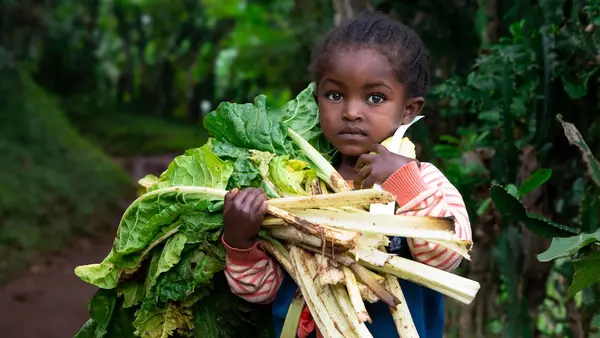
World Food Day 2026: How UNICEF Helps Children Get the Nutrition They Need On Oct. 16, an annual reminder that every child has a right to adequate nutrition for healthy development. Learn how UNICEF supports child nutrition. Read More
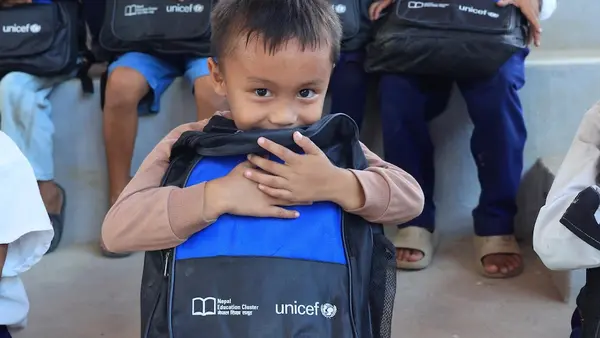
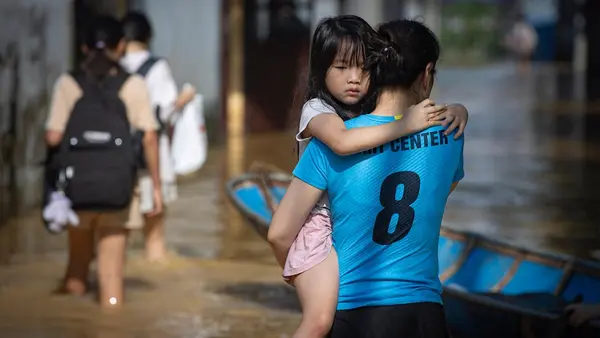
After Nepal Floods, A Long Road to Recovery UNICEF is working with the Government and partners to meet children's needs and support recovery efforts following devastating flooding in Nepal. Read More
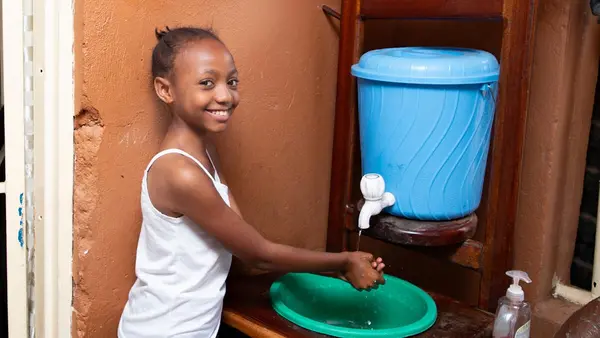
Global Handwashing Day 2026: The Importance of Handwashing for Kids Effective handwashing is a low-cost, high-reward habit that keeps children healthy and prevents the spread of dangerous diseases. Read More
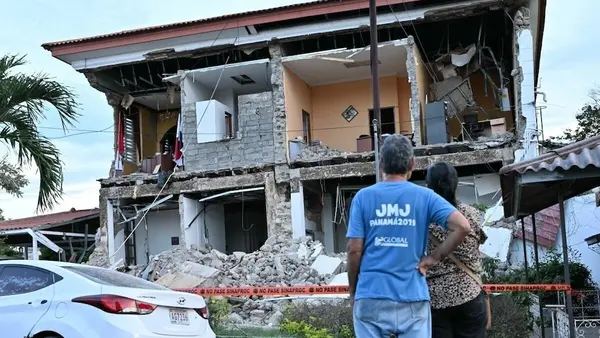
UNICEF Focuses on What Children Need After Earthquake Hits Panama An estimated 38,000 people — including 8,300 children — are in need of humanitarian assistance. UNICEF is there. Read More
UNICEF Urges Action to Prepare for El Niño and Protect Children The 2026-2027 weather pattern is expected to be one of the strongest ever, putting 347 million children in nearly 100 countries at risk. Read More
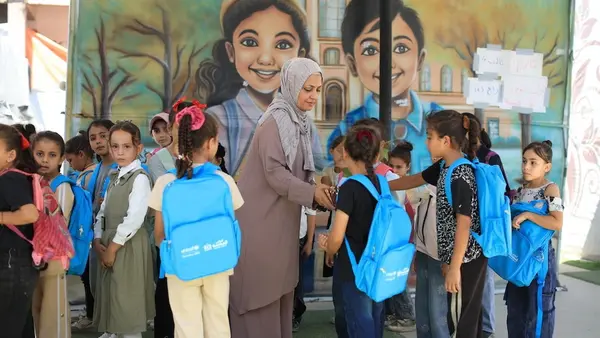
Back to School in Gaza: Learning and Mental Health Go Hand in Hand Resilience and healing are part of the curriculum as Gaza's children return to class this fall. [video] Read More
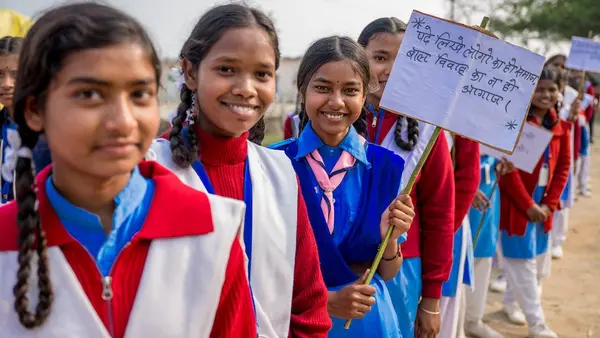
Celebrating International Day of the Girl The theme for International Day of the Girl 2026: end child marriage and invest in girls' rights. Read More
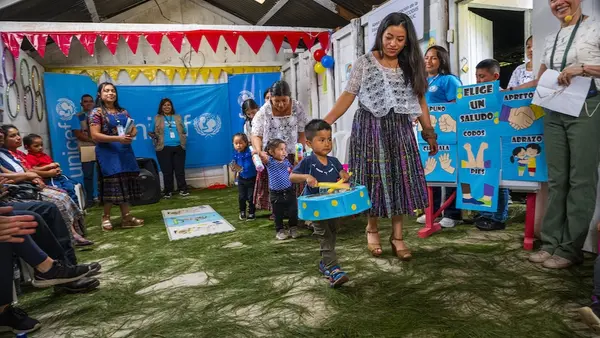
Cost-Effective, Accountable, Strategic: U.S. Investment in Guatemala's Children Targeted foreign assistance improves outcomes for children, their communities and longterm regional stability. Read More
Helping Children Get Back to School in War-Torn Ethiopia UNICEF is rebuilding schools in conflict areas of Ethiopia so children can get back to learning. [video] Read More