Breadcrumb Home UNICEF in action Displaying 136 - 144 of 2316 Region AllAfrica-Algeria-Angola-Bahrain-Benin-Botswana-Burkina Faso-Burundi-Cabo Verde-Cameroon-Central African Republic-Chad-Comoros-Côte d'Ivoire-Democratic Republic of the Congo (DRC)-Djibouti-Egypt-Equatorial Guinea-Eritrea-Eswatini-Ethiopia-Gabon-The Gambia-Ghana-Guinea-Guinea-Bissau-Kenya-Lesotho-Liberia-Libya-Madagascar-Malawi-Mali-Mauritania-Morocco-Mozambique-Namibia-Niger-Nigeria-Príncipe-Rwanda-São Tomé -Senegal-Sierra Leone-Somalia-South Africa-South Sudan-Sudan-Tanzania-Tunisia-Uganda-Zambia -ZimbabweAsia-Afghanistan-Bangladesh-Bhutan-Cambodia-China-Cook Islands-Federated States of Micronesia-Fiji-India-Indonesia-Kiribati-Lao People's Democratic Republic (Lao PDR)-Malaysia-Maldives-Marshall Islands-Mongolia-Myanmar-Nauru-Nepal-Niue-Pakistan-Palau-Papua New Guinea-Philippines-Samoa-Solomon Islands-Sri Lanka-Thailand-the Democratic People's Republic of Korea (DPRK)-Timor-Leste-Tokelau-Tonga-Tuvalu -Vanuatu-VietnamEurope-Albania-Armenia-Azerbaijan-Belarus-Bosnia and Herzegovina-Bulgaria-Croatia-Georgia-Greece-Kazakhstan-Kosovo-Kyrgyzstan-Moldova-Montenegro-North Macedonia-Poland-Romania-Serbia-Tajikistan-Turkmenistan-Ukraine-UzbekistanMiddle East-Albania-Armenia-Azerbaijan-Belarus-Bosnia and Herzegovina-Bulgaria-Croatia-Gaza-Georgia-Greece-Iran-Iraq-Israel-Jordan-Kosovo-Lebanon-Moldova-Montenegro-North Macedonia-Romania-Serbia-Syria-Tajikistan-Turkey-YemenNorth America-Dominican Republic-El Salvador-Guatemala-Haiti-Honduras-Jamaica-Mexico-Nicaragua-United StatesSouth America-Argentina-Belize-Bolivia-Brazil-Chile-Colombia-Guyana-Panama-Paraguay-Peru-Suriname-Uruguay-Venezuela Issue Allair pollutioncash transferschild laborchild marriagechild protectionchild soldieringchild traffickingChild-Friendly Spaceschildhood immunizationchildren with disabilitiescholeraclimate changeCOVAXCOVID-19diarrheadisplacementearly childhood developmentEbolaeducationemergency responseequityfood insecurityGAVIhealthhealth systemsHIV/AIDShygieneinnovationmalariameaslesmenstrual health and hygienemental healthmigrationnutritionpneumoniapoliopsychosocial support respectsanitationtetanuswateryouth engagementZika virus Emergency Allchild rights crisisconflictcyclonedisease outbreakdroughtearthquakeepidemicextreme weatherfaminefloodinghurricanemigrant crisismonsoonmudslidenatural disasterpandemicrefugee crisistsunamityphoonvolcanowar Programs & Partners AllambassadorsBridge FundChange for GoodChild Friendly Cities InitiativeGeorge Harrison FundImpact Fund for Childreninspired giftsJohnson & Johnson FoundationKiwanisMercury FundMicrosoftRotary InternationalSchool ClubsTrick-or-Treat for UNICEFU.S. AdvocacyUNICEF marketUNICEF NextGenUNICEF-Duke Innovation Accelerator Trending Search Topics: k.i.n.d. ways to give tax rules donation Trick-or-Treat for UNICEF: History & Impact Discover the history of Trick-or-Treat for UNICEF, a Halloween tradition that has raised millions of dollars for children in need worldwide. Read More Defeating Polio Means Vaccinating Hard-to-Reach Children UNICEF won't stop until every child is protected against polio and other vaccine-preventable disease. Reaching children with vaccinations in DR Congo. Read More Protecting Children During Mass Displacement in Gaza As the military offensive intensifies, UNICEF is distributing ID bracelets to protect children who become separated from their loved ones. [video] Read More Why Vaccines Matter for Children 10 facts about vaccines, child survival and global progress. Read More From Local Service to Global Impact: UNICEF USA and Key Club International Key Club and UNICEF have partnered for 30+ years. Two student leaders spoke with UNICEF USA’s CEO about amplifying youth voices on children’s issues. Read More Why Non-Communicable Diseases in Children Are a Rising Crisis Non-communicable diseases increasingly affect children. Dr. Fouzia Shafique, UNICEF Associate Director for Health, details UNICEF’s crisis response. Read More Thousands of Injured Children in Gaza Need Urgent Medical Evacuation With most of Gaza's hospitals in ruins, thousands of children injured in the conflict are waiting for permission to be medically evacuated. [video] Read More A Lifeline to Education for Children in Syria An innovative program delivered by UNICEF with funding from Education Cannot Wait is helping children like 13-year-old Mohamed get back to learning. Read More Life Begins on the Run in Sudan A mother's journey through conflict and survival in North Darfur. [video] Read More Pagination First page « First Previous page ‹‹ … Page 12 Page 13 Page 14 Page 15 Current page 16 Page 17 Page 18 Page 19 Page 20 … Next page ›› Last page Last »
Trick-or-Treat for UNICEF: History & Impact Discover the history of Trick-or-Treat for UNICEF, a Halloween tradition that has raised millions of dollars for children in need worldwide. Read More
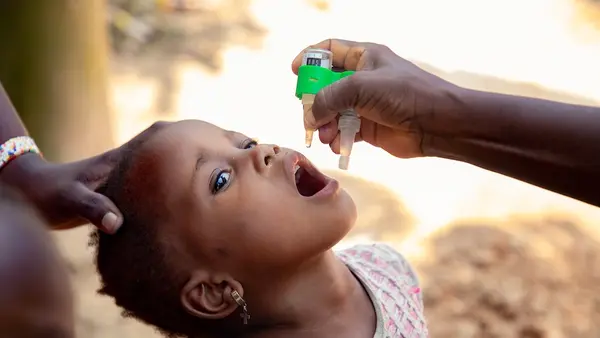
Defeating Polio Means Vaccinating Hard-to-Reach Children UNICEF won't stop until every child is protected against polio and other vaccine-preventable disease. Reaching children with vaccinations in DR Congo. Read More
Protecting Children During Mass Displacement in Gaza As the military offensive intensifies, UNICEF is distributing ID bracelets to protect children who become separated from their loved ones. [video] Read More
Why Vaccines Matter for Children 10 facts about vaccines, child survival and global progress. Read More
From Local Service to Global Impact: UNICEF USA and Key Club International Key Club and UNICEF have partnered for 30+ years. Two student leaders spoke with UNICEF USA’s CEO about amplifying youth voices on children’s issues. Read More
Why Non-Communicable Diseases in Children Are a Rising Crisis Non-communicable diseases increasingly affect children. Dr. Fouzia Shafique, UNICEF Associate Director for Health, details UNICEF’s crisis response. Read More
Thousands of Injured Children in Gaza Need Urgent Medical Evacuation With most of Gaza's hospitals in ruins, thousands of children injured in the conflict are waiting for permission to be medically evacuated. [video] Read More
A Lifeline to Education for Children in Syria An innovative program delivered by UNICEF with funding from Education Cannot Wait is helping children like 13-year-old Mohamed get back to learning. Read More
Life Begins on the Run in Sudan A mother's journey through conflict and survival in North Darfur. [video] Read More