Breadcrumb Home UNICEF in action Displaying 109 - 117 of 2316 Region AllAfrica-Algeria-Angola-Bahrain-Benin-Botswana-Burkina Faso-Burundi-Cabo Verde-Cameroon-Central African Republic-Chad-Comoros-Côte d'Ivoire-Democratic Republic of the Congo (DRC)-Djibouti-Egypt-Equatorial Guinea-Eritrea-Eswatini-Ethiopia-Gabon-The Gambia-Ghana-Guinea-Guinea-Bissau-Kenya-Lesotho-Liberia-Libya-Madagascar-Malawi-Mali-Mauritania-Morocco-Mozambique-Namibia-Niger-Nigeria-Príncipe-Rwanda-São Tomé -Senegal-Sierra Leone-Somalia-South Africa-South Sudan-Sudan-Tanzania-Tunisia-Uganda-Zambia -ZimbabweAsia-Afghanistan-Bangladesh-Bhutan-Cambodia-China-Cook Islands-Federated States of Micronesia-Fiji-India-Indonesia-Kiribati-Lao People's Democratic Republic (Lao PDR)-Malaysia-Maldives-Marshall Islands-Mongolia-Myanmar-Nauru-Nepal-Niue-Pakistan-Palau-Papua New Guinea-Philippines-Samoa-Solomon Islands-Sri Lanka-Thailand-the Democratic People's Republic of Korea (DPRK)-Timor-Leste-Tokelau-Tonga-Tuvalu -Vanuatu-VietnamEurope-Albania-Armenia-Azerbaijan-Belarus-Bosnia and Herzegovina-Bulgaria-Croatia-Georgia-Greece-Kazakhstan-Kosovo-Kyrgyzstan-Moldova-Montenegro-North Macedonia-Poland-Romania-Serbia-Tajikistan-Turkmenistan-Ukraine-UzbekistanMiddle East-Albania-Armenia-Azerbaijan-Belarus-Bosnia and Herzegovina-Bulgaria-Croatia-Gaza-Georgia-Greece-Iran-Iraq-Israel-Jordan-Kosovo-Lebanon-Moldova-Montenegro-North Macedonia-Romania-Serbia-Syria-Tajikistan-Turkey-YemenNorth America-Dominican Republic-El Salvador-Guatemala-Haiti-Honduras-Jamaica-Mexico-Nicaragua-United StatesSouth America-Argentina-Belize-Bolivia-Brazil-Chile-Colombia-Guyana-Panama-Paraguay-Peru-Suriname-Uruguay-Venezuela Issue Allair pollutioncash transferschild laborchild marriagechild protectionchild soldieringchild traffickingChild-Friendly Spaceschildhood immunizationchildren with disabilitiescholeraclimate changeCOVAXCOVID-19diarrheadisplacementearly childhood developmentEbolaeducationemergency responseequityfood insecurityGAVIhealthhealth systemsHIV/AIDShygieneinnovationmalariameaslesmenstrual health and hygienemental healthmigrationnutritionpneumoniapoliopsychosocial support respectsanitationtetanuswateryouth engagementZika virus Emergency Allchild rights crisisconflictcyclonedisease outbreakdroughtearthquakeepidemicextreme weatherfaminefloodinghurricanemigrant crisismonsoonmudslidenatural disasterpandemicrefugee crisistsunamityphoonvolcanowar Programs & Partners AllambassadorsBridge FundChange for GoodChild Friendly Cities InitiativeGeorge Harrison FundImpact Fund for Childreninspired giftsJohnson & Johnson FoundationKiwanisMercury FundMicrosoftRotary InternationalSchool ClubsTrick-or-Treat for UNICEFU.S. AdvocacyUNICEF marketUNICEF NextGenUNICEF-Duke Innovation Accelerator Trending Search Topics: k.i.n.d. ways to give tax rules donation From Risk to Resilience: Putting Children at the Heart of Climate Action UNICEF at COP30: Bold and accelerated action must be taken now to prevent children from experiencing the worst effects of the climate crisis. Read More UNICEF Delivers Relief to the Philippines Back-to-back typhoons have magnified humanitarian needs in the Philippines. UNICEF is there. Read More SNAP Benefits, Child Nutrition and the Science of Brain Development This Fall, UNICEF USA urged Congress to restore and expand access to SNAP and help protect children. Read More Shelter From the Storm for Children in Mali UNICEF is delivering life-changing education investments in Mali, with funding from Education Cannot Wait (ECW). Read More Help UNICEF Deliver Warmth and Safety This Winter UNICEF's emergency winter response is underway to help the most vulnerable children and families survive the coming cold. [video] Read More UNICEF Delivers for Children in Conflict Zones When war and conflict threaten children's well-being, UNICEF is there, providing lifesaving and life-changing supplies and services. Read More 5 Ways UNICEF Delivers Nutrition to Children With active programs in 130 countries, UNICEF is a global leader in supporting and improving child nutrition — and tackling child malnutrition. Read More Famine Takes Hold in Sudan In the western regions of Sudan, active conflict and severely restricted access are driving a sharp deterioration in hunger and malnutrition. [video] Read More Picking Up the Pieces in the Wake of Hurricane Melissa The lives of more than 700,000 children were impacted when Hurricane Melissa tore through the Caribbean. UNICEF is there to help. Read More Pagination First page « First Previous page ‹‹ … Page 9 Page 10 Page 11 Page 12 Current page 13 Page 14 Page 15 Page 16 Page 17 … Next page ›› Last page Last »
From Risk to Resilience: Putting Children at the Heart of Climate Action UNICEF at COP30: Bold and accelerated action must be taken now to prevent children from experiencing the worst effects of the climate crisis. Read More
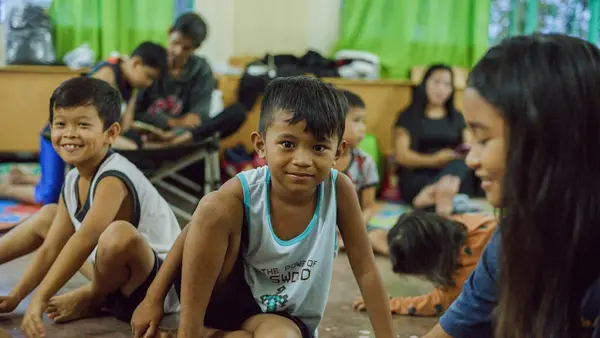
UNICEF Delivers Relief to the Philippines Back-to-back typhoons have magnified humanitarian needs in the Philippines. UNICEF is there. Read More
SNAP Benefits, Child Nutrition and the Science of Brain Development This Fall, UNICEF USA urged Congress to restore and expand access to SNAP and help protect children. Read More
Shelter From the Storm for Children in Mali UNICEF is delivering life-changing education investments in Mali, with funding from Education Cannot Wait (ECW). Read More
Help UNICEF Deliver Warmth and Safety This Winter UNICEF's emergency winter response is underway to help the most vulnerable children and families survive the coming cold. [video] Read More
UNICEF Delivers for Children in Conflict Zones When war and conflict threaten children's well-being, UNICEF is there, providing lifesaving and life-changing supplies and services. Read More
5 Ways UNICEF Delivers Nutrition to Children With active programs in 130 countries, UNICEF is a global leader in supporting and improving child nutrition — and tackling child malnutrition. Read More
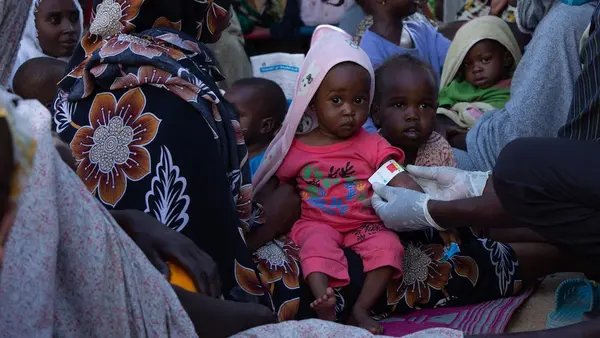
Famine Takes Hold in Sudan In the western regions of Sudan, active conflict and severely restricted access are driving a sharp deterioration in hunger and malnutrition. [video] Read More
Picking Up the Pieces in the Wake of Hurricane Melissa The lives of more than 700,000 children were impacted when Hurricane Melissa tore through the Caribbean. UNICEF is there to help. Read More