Breadcrumb Home UNICEF in action Displaying 1 - 9 of 2316 Region AllAfrica-Algeria-Angola-Bahrain-Benin-Botswana-Burkina Faso-Burundi-Cabo Verde-Cameroon-Central African Republic-Chad-Comoros-Côte d'Ivoire-Democratic Republic of the Congo (DRC)-Djibouti-Egypt-Equatorial Guinea-Eritrea-Eswatini-Ethiopia-Gabon-The Gambia-Ghana-Guinea-Guinea-Bissau-Kenya-Lesotho-Liberia-Libya-Madagascar-Malawi-Mali-Mauritania-Morocco-Mozambique-Namibia-Niger-Nigeria-Príncipe-Rwanda-São Tomé -Senegal-Sierra Leone-Somalia-South Africa-South Sudan-Sudan-Tanzania-Tunisia-Uganda-Zambia -ZimbabweAsia-Afghanistan-Bangladesh-Bhutan-Cambodia-China-Cook Islands-Federated States of Micronesia-Fiji-India-Indonesia-Kiribati-Lao People's Democratic Republic (Lao PDR)-Malaysia-Maldives-Marshall Islands-Mongolia-Myanmar-Nauru-Nepal-Niue-Pakistan-Palau-Papua New Guinea-Philippines-Samoa-Solomon Islands-Sri Lanka-Thailand-the Democratic People's Republic of Korea (DPRK)-Timor-Leste-Tokelau-Tonga-Tuvalu -Vanuatu-VietnamEurope-Albania-Armenia-Azerbaijan-Belarus-Bosnia and Herzegovina-Bulgaria-Croatia-Georgia-Greece-Kazakhstan-Kosovo-Kyrgyzstan-Moldova-Montenegro-North Macedonia-Poland-Romania-Serbia-Tajikistan-Turkmenistan-Ukraine-UzbekistanMiddle East-Albania-Armenia-Azerbaijan-Belarus-Bosnia and Herzegovina-Bulgaria-Croatia-Gaza-Georgia-Greece-Iran-Iraq-Israel-Jordan-Kosovo-Lebanon-Moldova-Montenegro-North Macedonia-Romania-Serbia-Syria-Tajikistan-Turkey-YemenNorth America-Dominican Republic-El Salvador-Guatemala-Haiti-Honduras-Jamaica-Mexico-Nicaragua-United StatesSouth America-Argentina-Belize-Bolivia-Brazil-Chile-Colombia-Guyana-Panama-Paraguay-Peru-Suriname-Uruguay-Venezuela Issue Allair pollutioncash transferschild laborchild marriagechild protectionchild soldieringchild traffickingChild-Friendly Spaceschildhood immunizationchildren with disabilitiescholeraclimate changeCOVAXCOVID-19diarrheadisplacementearly childhood developmentEbolaeducationemergency responseequityfood insecurityGAVIhealthhealth systemsHIV/AIDShygieneinnovationmalariameaslesmenstrual health and hygienemental healthmigrationnutritionpneumoniapoliopsychosocial support respectsanitationtetanuswateryouth engagementZika virus Emergency Allchild rights crisisconflictcyclonedisease outbreakdroughtearthquakeepidemicextreme weatherfaminefloodinghurricanemigrant crisismonsoonmudslidenatural disasterpandemicrefugee crisistsunamityphoonvolcanowar Programs & Partners AllambassadorsBridge FundChange for GoodChild Friendly Cities InitiativeGeorge Harrison FundImpact Fund for Childreninspired giftsJohnson & Johnson FoundationKiwanisMercury FundMicrosoftRotary InternationalSchool ClubsTrick-or-Treat for UNICEFU.S. AdvocacyUNICEF marketUNICEF NextGenUNICEF-Duke Innovation Accelerator Trending Search Topics: k.i.n.d. ways to give tax rules donation The Race to Save Lives: UNICEF Ramps Up Ebola Response UNICEF ships more supplies to the Democratic Republic of the Congo to protect children and communities, but more funding is urgently needed. Read More UNICEF Ambassador Heidi Klum on Motherhood, Compassion and the Power of Play Heidi Klum, UNICEF's newest ambassador, has been a champion for children's rights with UNICEF since 2011. Read More Protecting Mothers and Children in Sudan In rural Gedaref State, unconditional cash grants integrated with children's health and nutrition services are a lifeline for families in need. Read More Managing Menstruation With Dignity in Gaza Girls and women struggle to manage their periods in Gaza, where privacy and access to essential supplies and services are limited. [video] Read More This Pride Month, Help Build a Safer World for LGBTQ+ Children Every child has a right to grow up free from discrimination. Learn more about Pride Month and why it matters for children. Read More By Restricting Girls' Education, Afghanistan Faces Future With Fewer Teachers, Health Workers — UNICEF A UNICEF Innocenti report warns continued restrictions on girls’ education and women’s labor force participation are weakening the country. Read More Kindness for All Children Counts on Friendship Day Friendship knows no borders. Around the world, wherever you go, kindness needs no translation. Read More Supporting Community Response to Stop Ebola UNICEF is calling for greater investment in community engagement, prevention and long-term preparedness to help stop Ebola transmission. Read More Youth Step Up to Help Displaced Children and Families in Lebanon's Shelters Young people in Lebanon are supporting emergency response efforts while building skills, earning income and bringing care to displaced families. Read More Pagination Current page 1 Page 2 Page 3 Page 4 Page 5 Page 6 Page 7 Page 8 Page 9 … Next page ›› Last page Last »
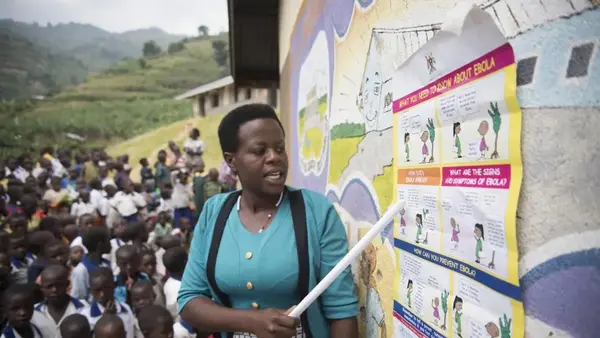
The Race to Save Lives: UNICEF Ramps Up Ebola Response UNICEF ships more supplies to the Democratic Republic of the Congo to protect children and communities, but more funding is urgently needed. Read More
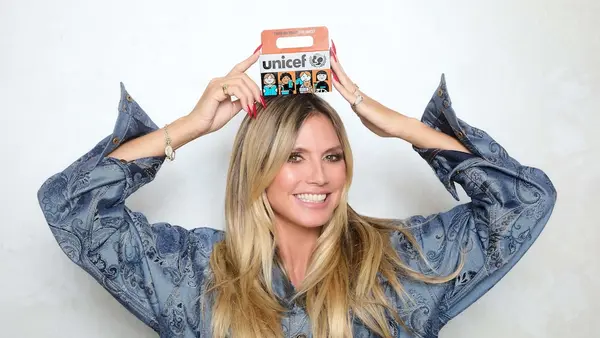
UNICEF Ambassador Heidi Klum on Motherhood, Compassion and the Power of Play Heidi Klum, UNICEF's newest ambassador, has been a champion for children's rights with UNICEF since 2011. Read More
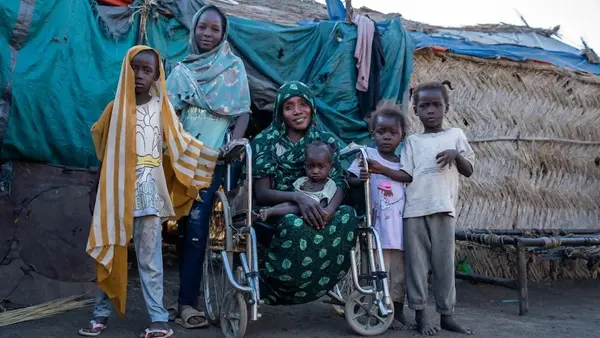
Protecting Mothers and Children in Sudan In rural Gedaref State, unconditional cash grants integrated with children's health and nutrition services are a lifeline for families in need. Read More
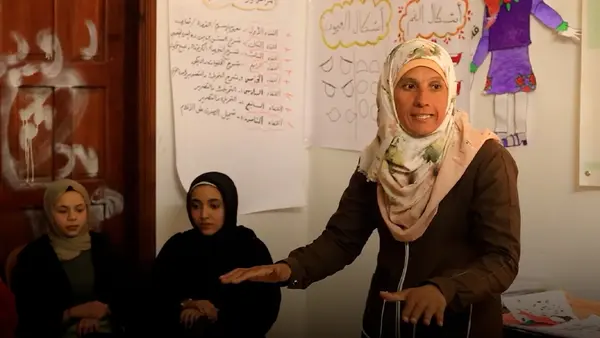
Managing Menstruation With Dignity in Gaza Girls and women struggle to manage their periods in Gaza, where privacy and access to essential supplies and services are limited. [video] Read More
This Pride Month, Help Build a Safer World for LGBTQ+ Children Every child has a right to grow up free from discrimination. Learn more about Pride Month and why it matters for children. Read More
By Restricting Girls' Education, Afghanistan Faces Future With Fewer Teachers, Health Workers — UNICEF A UNICEF Innocenti report warns continued restrictions on girls’ education and women’s labor force participation are weakening the country. Read More
Kindness for All Children Counts on Friendship Day Friendship knows no borders. Around the world, wherever you go, kindness needs no translation. Read More
Supporting Community Response to Stop Ebola UNICEF is calling for greater investment in community engagement, prevention and long-term preparedness to help stop Ebola transmission. Read More
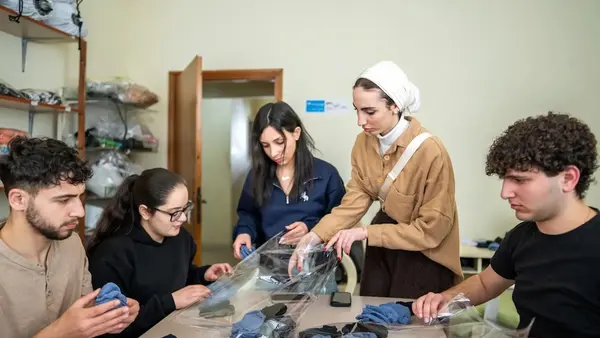
Youth Step Up to Help Displaced Children and Families in Lebanon's Shelters Young people in Lebanon are supporting emergency response efforts while building skills, earning income and bringing care to displaced families. Read More