What UNICEF Does
Over eight decades, the United Nations Children’s Fund (UNICEF) has helped save and meaningfully improve more children’s lives than any other humanitarian organization.
UNICEF's mission as the largest humanitarian organization focused on children
UNICEF is mandated by the United Nations General Assembly to advocate for the protection of children's rights, help meet their basic needs and expand their opportunities to reach their full potential.
Everything UNICEF does — all of UNICEF's programs, partnerships and global advocacy work — supports efforts to ensure that every child can grow up healthy, educated, protected and respected.
That includes immunizing children against vaccine-preventable diseases, tackling malnutrition and supporting mental health. It means helping kids get back to school and strengthening systems to keep them safe from harm. And it means respecting children's rights, making sure youth voices are heard on issues that matter to them.
With a presence in over 190 countries and territories, UNICEF works in some of the world's toughest places to save and protect the lives of children and young people, focusing on those with the greatest needs.
Its vast network of partners include local and community-based organizations. Supporting and collaborating with local partners is critical for maximizing program reach, efficiency and effectiveness while also strengthening local capacities to deliver for children.
UNICEF workers won't stop until every child can grow up hopeful about their prospects for a bright future.
UNICEF's impact for children
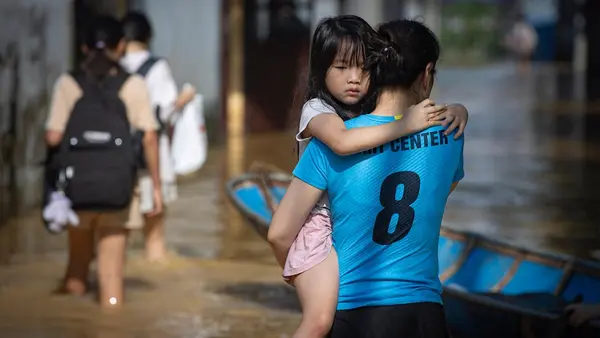
More children than ever are suffering in today's world, their lives disrupted and endangered by conflict, political instability and disease, and by historic floods, droughts and other impacts of climate change.
Through it all, UNICEF continues to provide the services and support children need to withstand devastating events — and help families, communities and countries build resilience against future crises.
Children's health
UNICEF works is many different ways to improve and protect the health of children worldwide: by working with partners to strengthen quality and delivery of essential health care services; by improving access to safe water, sanitation and hygiene and improving WASH systems; through lifesaving immunizations, nutrition and mental health support, among other programs.
Learn more about UNICEF's impact on children's health.
Children's education
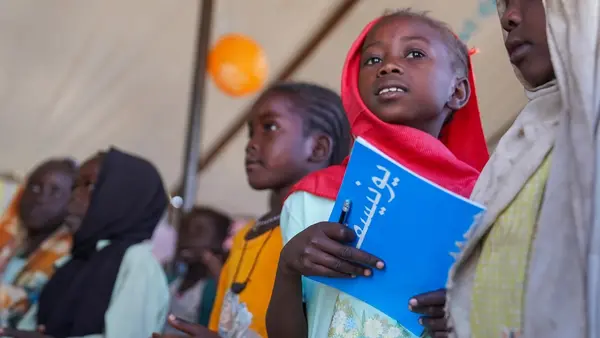
Whether by setting up temporary classrooms for child refugees, building child-friendly schools, distributing books and other learning materials, training teachers or even rebuilding an entire educational system, UNICEF does whatever it takes to improve children's access to education.
Learn more about UNICEF's impact on children's education.
Children's protection
Growing up in a safe, inclusive environment is every child's right. Through its work with partners and collaborations with national governments, UNICEF promotes policies and services that protect all children from violence, exploitation and abuse — especially those who are most vulnerable, including children in conflict and children on the move; children with disabilities and children who become separated from caregivers.
Learn more about how UNICEF is protecting vulnerable children.
Respect for children
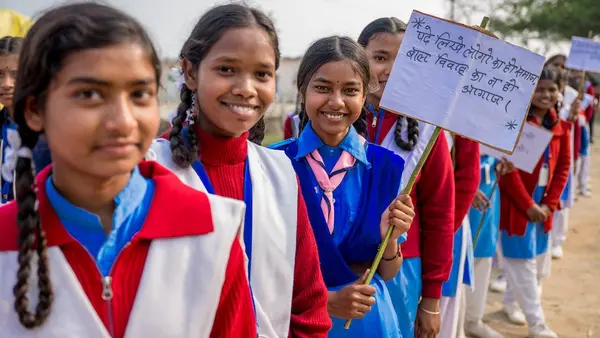
Guided by the Convention on the Rights of the Child, UNICEF works to promote and safeguard children's basic human rights — rights that must be realized for children to reach their full potential. The right to health care, education and protection. The right to equitable opportunity, regardless of ability. The right to grow up in a clean, safe environment. The right to be heard.
Respect for children underpins everything UNICEF does. Learn more.
Emergency response
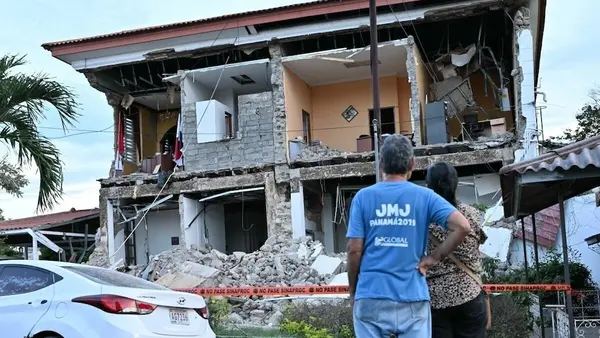
UNICEF is on the ground before, during and after emergencies strike to bring immediate relief to children and families with the greatest needs. With program offices in 157 countries, seven regional offices and global headquarters in eight cities, UNICEF taps into existing partnerships and systems to mobilize a rapid and efficient response. While helping to repair damaged infrastructure and otherwise support recovery, UNICEF also helps communities 'build back better.'
Where UNICEF works
UNICEF has a global presence in over 190 countries and territories — including the United States. UNICEF USA is one of 33 National Committees created to support UNICEF's mission, working relentlessly to pursue a more equitable world for children.
The vast majority of UNICEF staff are in the field, working with governments and other partners to implement lifesaving and life-changing programs for children in Africa, Asia, Europe, the Middle East, North America and South America.
Learn more about what UNICEF does in different regions of the world. Or visit the UNICEF data hub for details on UNICEF program activities and impact by country.
How to help vulnerable children: Donate monthly to UNICEF
Monthly giving is an opportunity to be proactive as well as compassionate. It helps UNICEF maintain critical support and services that blunt the impacts of poverty, hardship and deprivation, build community resilience and drive sustainable progress against ongoing threats to children’s health, safety and well-being.
FAQs about UNICEF
What does UNICEF do?
UNICEF is the United Nations agency for children. UNICEF’s purpose is to protect children’s rights and help meet their needs in health, nutrition, education and more. UNICEF also responds to emergencies, delivering lifesaving assistance and helping children and families recover from crises.
What does 'UNICEF' stand for?
The acronym comes from the organization's original name: the United Nations International Children’s Emergency Fund. Today, UNICEF stands for the United Nations Children’s Fund.
What is UNICEF's mission?
UNICEF’s mission is to protect the rights of every child, especially children who are disadvantaged, marginalized and difficult to reach, and help them survive, thrive and fulfill their potential. UNICEF's mission is guided by the rights set forth in the Convention on the Rights of the Child. Read about UNICEF in action
For more information, visit unicefusa.org's FAQ page